


 (916) 313-3030
Trial Preparation in Trust and Estate Litigation: How Family Trees and Checklists Build Winning Cases
Why Thorough Preparation Defines Every Trust and Estate Case
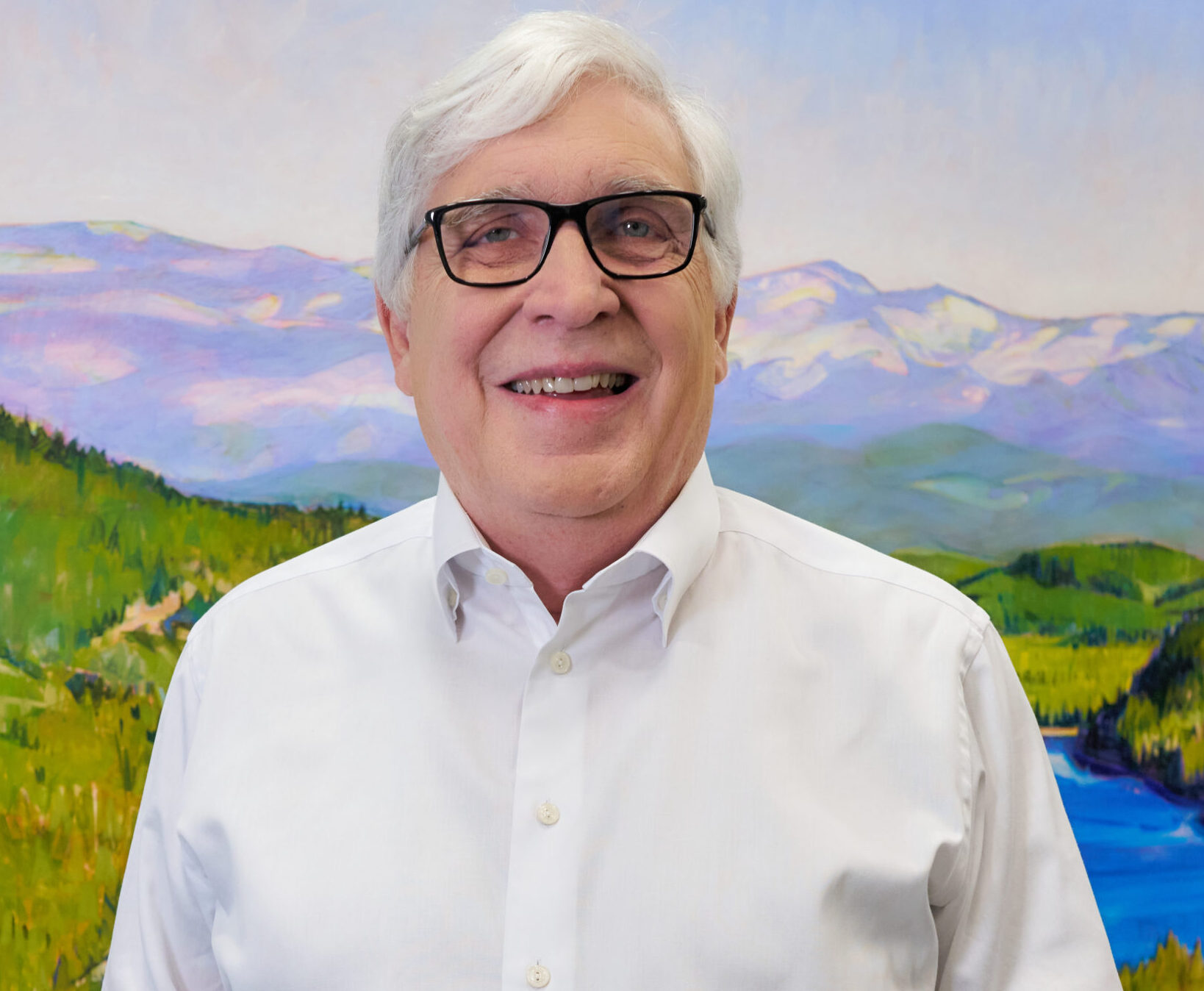
I am Michael Hackard, founder of Hackard Law. Over the course of more than five decades practicing law, I have discovered that the most important thing that separates successful trust and estate litigation from failure is careful preparation. I have written four published books on inheritance protection, and I have produced more than 1,000 educational videos that have now been viewed over seven million times. These resources are available because, in my opinion, families in California ought to be aware of the true nature of litigation before entering a courtroom.
Hackard Law represents heirs, beneficiaries, and elder abuse victims throughout the San Francisco Bay Area, Sacramento, and Los Angeles. Whether a dispute involves a contested trust, a claim of undue influence, or allegations of elder financial abuse, the preparation that occurs before the trial often determines the outcome. Every detail matters. Every timeline is important. Every relationship within a family matters.
Families who face inheritance disputes deserve a litigation team that leaves nothing to chance. That is how Hackard Law approaches every case.
Hackard Law provides contingency fee representation, meaning there are no upfront costs for qualified cases. Families can pursue justice without the burden of hourly billing.
If your family is facing a trust or estate dispute in the Bay Area, call Hackard Law at (916) 313-3030 to discuss your situation.
Quick Summary
Successful trust and estate litigation depends on meticulous preparation long before a case reaches trial. Family dynamics, detailed timelines, and a thorough understanding of jury instructions all play critical roles.
- Litigation teams can visually map relationships, marriages, divorces, and kinship to the deceased with the aid of family trees.
- Checklists, task lists, and jury instruction reviews ensure no factual or legal element is overlooked.
- Blended families with stepchildren and half-siblings frequently generate the most contested disputes.
- Effective trial preparation blends factual analysis with clear, persuasive communication to judges and juries.
The Role of Family Trees in Estate Litigation
One of the most important early steps in preparing a trust or estate litigation case is building a detailed family tree. Hackard Law uses Ancestry.com to create private family trees accessible only to members of the litigation team. These trees are not public. They exist solely to help the firm understand the dynamics driving a dispute.
A family tree reveals birth dates, marriage dates, divorce records, and death dates. It identifies who the decedent’s children are, who married into the family, and where potential conflicts may have originated. This visual map of relationships is invaluable when preparing for a trial.
The tree also allows Hackard Law to identify the various parties to a dispute and their particular kinship to the decedent. In cases involving undue influence under California law, understanding who had access to the decedent and who stood to benefit from a change in estate documents is essential. The family tree makes these connections visible.
Case Pattern: The Blended Family Trust Amendment
A decedent married three times and had children from the first two marriages. The decedent altered the trust to benefit the third spouse and her adult children, right before death. This effectively disinherited the biological children. The family tree revealed the timeline of marriages and the introduction of new beneficiaries, providing a factual foundation for the litigation team to build a compelling narrative about how family dynamics shifted over time.
Why Blended Families Generate the Most Contested Disputes
When a family tree shows a series of marriages with accompanying children and stepchildren, experienced litigators immediately recognize the potential for conflict. Many estate disputes arise between the children of a first family and a surviving stepmother or stepfather from a second or third family.
Half-siblings also play a significant role in these financial quarrels. Children from different marriages may have had vastly different relationships with the decedent. One group may have been close and involved in caregiving, while another group may have been geographically distant for decades. These dynamics shape how estate documents are interpreted and contested.
Hackard Law litigates these disputes across the Bay Area, including in Oakland and Santa Clara County. Blended family cases require a litigation team that can untangle complex relationships and present them clearly to a court.
The ancestry program allows the legal team to examine these particularities of family relationships from multiple angles. A judge or jury that can visualize the family structure is far more likely to understand why a dispute exists and who has been harmed.
Checklists, Task Lists, and Jury Instructions
Family trees represent just one component of comprehensive trial preparation. Hackard Law also relies on detailed checklists, task lists, and jury instruction reviews to ensure that every factual and legal element of a case receives proper attention.
A checklist keeps the litigation team organized across what can be months or even years of preparation. Trust and estate cases often involve extensive document review, depositions, forensic accounting, and communication with witnesses. Without a structured system, important details may fall through the cracks.
Jury instructions deserve particular attention early in the process. Understanding how a judge will instruct a jury on issues like undue influence, testamentary capacity, or elder financial abuse shapes the way a litigation team gathers evidence and frames arguments. Hackard Law reviews applicable jury instructions as a preliminary step so that every piece of evidence collected serves a strategic purpose.
Families considering litigation should understand that the most common probate and trust battles share certain characteristics. A well-prepared litigation team knows these patterns and prepares accordingly.
Case Pattern: The Missing Checklist Detail
In one matter, a beneficiary’s claim nearly faltered because a key financial document had not been subpoenaed during discovery. A systematic task list review caught the gap before the trial. The document was obtained, and it revealed transfers that supported the claim of financial elder abuse. The case resolved favorably because the preparation process had built-in safeguards against oversight.
The Art and Science of Estate Litigation
Estate and trust litigation is ultimately a mix of art and science. The science involves identifying quantitative facts like account balances, property valuations, dates of trust amendments, and medical records documenting cognitive decline. These facts and information form the evidentiary backbone of any case.
The art involves communicating those facts in understandable ways to a judge or a jury. Without proper context, a stack of bank statements is meaningless. A timeline showing how a caregiver gradually isolated an elderly person from family and redirected assets tells a story that resonates.
Michael Hackard identifies this dual requirement as central to effective trial preparation. Every case requires both rigorous factual analysis and the ability to present that analysis as a clear, compelling narrative. Families searching for the right legal team should consider how to choose a probate lawyer who can handle both dimensions.
Hackard Law serves families throughout the Bay Area, from Mountain View and the greater South Bay to San Francisco and the East Bay. Regardless of location, the preparation process remains thorough and disciplined.
Communicating Complex Family Dynamics to a Court
One of the greatest challenges in trust and estate litigation is translating complex family histories into arguments that a judge or jury can follow. A family with three marriages, seven children, two amended trusts, and a contested power of attorney presents a web of relationships that can overwhelm even sophisticated listeners.
Visual tools like family trees help simplify this complexity. Timelines, charts, and demonstrative displays turn abstract relationships into tangible visuals. When a juror can see that a trust was amended one month after a new spouse entered the picture, the significance of that timing becomes immediately apparent.
Beneficiaries who suspect they have been wrongfully excluded from an inheritance should understand their fundamental rights under California law. Protecting an inheritance starts with learning what questions to ask and what documents to request.
Effective communication also means knowing your audience. A probate judge who handles dozens of cases per month needs concise, well-organized presentations. A jury that has never encountered a trust dispute needs clear explanations of legal concepts. Hackard Law prepares for both the audiences with equal rigor.
Key Definitions
- Family Tree (Litigation Context): A visual diagram of a decedent’s family relationships, including marriages, divorces, children, stepchildren, and half-siblings, used to map the parties to a dispute.
- Undue Influence: Excessive pressure exerted on a person to override their free will in making estate planning decisions, often resulting in documents that do not reflect true intent.
- Testamentary Capacity: The legal mental ability of a person to create or amend a will or trust, requiring an understanding of their assets, family relationships, and the consequences of their decisions.
- Elder Financial Abuse: The wrongful taking or misappropriation of an elder’s financial assets through fraud, undue influence, or other improper means, actionable under California Welfare and Institutions Code Section 15610.30.
- Task List (Trial Preparation): A structured checklist used by litigation teams to track discovery, witness preparation, document review, and other pre-trial responsibilities.
- Jury Instructions: Legal directions given by a judge to a jury explaining the law applicable to a case, reviewed by litigators during preparation to align evidence gathering with legal standards.
- Kinship: The relationship between a person and the decedent, which determines standing in probate proceedings and inheritance rights under California law.
- Demonstrative Exhibit: A visual aid such as a chart, timeline, or family tree used at trial to help a judge or jury understand complex factual relationships.
- Blended Family Dispute: A trust or estate contest arising from conflicts between children of different marriages, stepchildren, or half-siblings over a decedent’s assets.
What to Do Next
- Collect all available estate planning documents, including trusts, wills, amendments, and powers of attorney.
- Create a written timeline of key family events: marriages, divorces, births, deaths, and any known changes to estate documents.
- Identify all potential parties to the dispute, including children, stepchildren, half-siblings, and surviving spouses.
- Document any concerns about undue influence, cognitive decline, or isolation of the decedent before death.
- Collect financial records showing asset transfers, account changes, or property sales that occurred in the decedent’s final years.
- Request a formal trust accounting from the current trustee if one has not been provided.
- Review the contingency fee guide to understand representation options that eliminate upfront legal costs.
- Contact Hackard Law at (916) 313-3030 to schedule a consultation with a trust and estate litigation attorney.
If your family is dealing with a contested trust, a will dispute, or suspected elder financial abuse in the Bay Area, call Hackard Law today at (916) 313-3030.
CALL THE SAGE | When Experience Matters, Families Listen
THE EXPERTISE:
📚 50 years California trust, estate & elder financial abuse litigation
⚖️ We represent heirs, beneficiaries, and elder abuse victims
🎥 1,000+ educational videos | 7 million+ views | 4 published books
🎯 “After thousands of cases, I see the pattern others miss.”
CONTINGENCY REPRESENTATION — No Win, No Fee
Throughout California: Sacramento | Los Angeles | Bay Area
📞 CALL THE SAGE: (916) 313-3030
Subscribe for weekly insights on:
• Elder financial abuse warning signs and prevention
• Trust and estate litigation strategies
• Inheritance protection for California families
• Family protection strategies
When your inheritance is under attack, Call The Sage.
Hackard Law | 10640 Mather Blvd, Mather CA 95655
Attorney Advertisement | Michael Hackard, State Bar #71067
RELATED VIDEOS
Blended Family Challenges: Stepmothers, Stepchildren & Estate Litigation Battles | Hackard Law
Directly matches the blog’s major section on blended families, stepchildren, half siblings, and how multiple marriages generate the most contested estate disputes. Highest keyword relevance at 8 hits.
Estate & Trust Battles | Litigation is War
Strongly mirrors the blog’s central theme that thorough trial preparation is the defining factor in trust and estate litigation success. Tied for highest keyword hits at 8.
Burden of Proof | Trust & Estate Litigation
Directly relevant to the blog’s discussion of jury instructions, evidentiary standards, and aligning trial preparation with the precise legal elements a judge or jury will evaluate. 8 keyword hits.
Disputed Trusts & Family Estrangement | CA Estate Litigation
Closely aligned with the blog’s themes of family dynamics, the use of family trees to map estrangement and relationship shifts, and the patterns driving blended family trust disputes. 8 keyword hits.
Estate Litigation | Family Feud Meets Gladiator
Reinforces the blog’s core message about the combative nature of estate litigation and the importance of preparation, while directly addressing family conflict dynamics central to the post. 8 keyword hits.
How Do I Know If I Need an Estate Litigation Lawyer? | Hackard Law Estate Litigation FAQ
Complements the blog’s FAQ section and ‘What to Do Next’ guidance, helping readers who are unsure whether their situation requires formal litigation to understand the threshold for legal action. 8 keyword hits.
 Michael Hackard is the founder of Hackard Law, a California trust and estate litigation firm with more than five decades of experience protecting the inheritance rights of families across Sacramento, the San Francisco Bay Area, and Los Angeles. He is the author of four published books on inheritance protection and has produced more than 1,000 educational videos with over seven million views.