


 (916) 313-3030
Undue Influence and Elder Financial Exploitation: How Hackard Law Fights for California Families

When a Lifetime of Planning Can Be Erased
I am Michael Hackard, founder of Hackard Law. Over five decades of practice, I have fought for heirs, beneficiaries, and elder abuse victims whose inheritance was stolen – not by strangers, but by the people closest to them. I have written four books on inheritance protection and produced more than 1,000 educational videos that have reached over seven million viewers. Every day, calls come into our office from families across Sacramento, the San Francisco Bay Area, and Los Angeles who are living through the same painful story: a vulnerable parent, a trusted child or caregiver acting out of self-interest, and a lifetime estate plan quietly dismantled by undue influence.
These are not abstract legal disputes. They are betrayals. And they deserve a serious legal response.
Hackard Law provides contingency fee representation for qualified cases – no upfront costs, no hourly bills while you wait. If you believe a loved one has been financially exploited or an estate plan has been manipulated, call us today at (916) 313-3030.
Quick Summary
Undue influence and elder financial exploitation are among the most common – and most damaging – forms of inheritance theft in California. Families often do not recognize the warning signs until significant harm has already occurred.
- Undue influence occurs when someone in a position of trust pressures an elderly person into changing an estate plan against their true wishes.
- Elder financial exploitation can include theft, fraudulent transfers, manipulation of powers of attorney, and coerced beneficiary changes.
- California law provides strong remedies, including the ability to void tainted documents and recover damages.
- Hackard Law handles these cases on contingency, meaning qualified clients pay no fees unless we recover.
- Early legal intervention is critical – delays can allow assets to disappear and evidence to erode.
The Pattern We Know Too Well
The same story appears in various forms every day. An elderly parent loses contact with their family. When an adult child, caregiver, or neighbor moves in, they assume financial responsibility. Calls cease. Visits are not advised. Then, discreetly, a bank account is depleted, a trust is modified, or a will is rewritten.
By the time the family realizes what has happened, the parent may be gone. The estate they expected to inherit has been redirected to someone who manipulated their way into position. The documents look legal on their face. That is exactly what makes these cases so difficult – and so important to pursue with an attorney who understands how California courts evaluate these claims.
Undue influence does not require physical force. California law recognizes that psychological pressure, isolation, and the exploitation of dependency can be just as coercive as any threat. When a vulnerable person’s free will is effectively replaced by someone else’s agenda, the resulting documents can be challenged.
Case Pattern: Caregiver Isolation and Trust Amendment
A family contacted Hackard Law after discovering that their elderly mother’s trust had been amended twice in the final year of her life – each time increasing the share going to her live-in caregiver. The mother had been progressively isolated from her adult children during that period. The pattern of isolation combined with the timing of the amendments became central to the legal challenge that followed.
What California Law Provides
California has some of the strongest elder financial abuse protections in the country. The Elder Abuse and Dependent Adult Civil Protection Act gives courts the authority to impose enhanced remedies – including double damages and attorney fee awards – when financial abuse of an elder is proven. These provisions exist precisely because the financial toll grows far beyond the initial theft, and families often cannot afford litigation without meaningful recovery on the other end.
For a deeper look at how undue influence is evaluated under California estate law, the legal standards are more nuanced than most families expect. Courts look at the relationship between the influencer and the elder, the elder’s susceptibility, the opportunity to exert influence, and whether the resulting document reflects the elder’s actual wishes or someone else’s.
When financial exploitation is proven, civil remedies including double damages and asset recovery may be available. This matters enormously for families who have watched a loved one’s estate be stripped away and need real accountability, not just a symbolic legal victory.
Life Insurance and Beneficiary Designations Are Not Immune
Many families focus on trusts and wills when they think about undue influence – but beneficiary designations on life insurance policies and retirement accounts are equally vulnerable. These designations pass outside of probate and can be changed with a simple form. When an elder is manipulated into changing a life insurance beneficiary, the consequences can be just as devastating as a rewritten trust.
Challenging a life insurance beneficiary designation on grounds of fraud and undue influence requires prompt action and careful documentation. The same psychological pressure that voids a trust amendment can void a beneficiary change – but the legal process differs, and timing is critical.
Families who discover a suspicious beneficiary change after a loved one’s death often feel they have no options. That is rarely true. Contesting a life insurance beneficiary designation is a recognized legal remedy in California, and Hackard Law has litigated these claims alongside trust and estate disputes.
Case Pattern: Last-Minute Beneficiary Change
A family learned after their father’s death that his life insurance policy – worth several hundred thousand dollars – had been redirected to a neighbor who had been managing his affairs in the months before he died. Medical records showed cognitive decline during the same period. The family pursued both the life insurance claim and a challenge to recent amendments to the father’s trust.
Why Poor Estate Planning Creates Vulnerability
Not every estate dispute begins with deliberate exploitation. Sometimes poor drafting by an estate planning attorney leaves ambiguities that bad actors later exploit. A trust that fails to define trustee duties clearly, or a will that omits key contingencies, can become a roadmap for manipulation.
Families should understand that the quality of the original estate planning documents matters enormously when a dispute arises. Courts interpret ambiguous language, and that interpretation can go in unexpected directions. When a document’s weaknesses are exploited by someone seeking to benefit at the family’s expense, litigation becomes the only path to justice.
For California beneficiaries navigating these disputes, understanding your rights is the first step. The five things every California trust beneficiary must know can help families recognize when something has gone wrong and when to act.
Fighting Back: What Litigation Actually Looks Like
For decades, I have stood with families who were told there was nothing they could do. A signed document, they were told, is a signed document. But California courts look past the signature when the circumstances surrounding it reveal manipulation, incapacity, or fraud. Discovery, forensic analysis, and the pursuit of justice – these are not just legal strategies, but safeguards for families threatened by undue influence and fraud.
These cases are litigated from the beginning by Hackard Law. This entails compiling financial documents, medical records, and correspondence that show the chronology of influence. It entails calling witnesses and providing proof that fully explains what transpired with a vulnerable individual in their last years. What dishonesty attempted to steal is restored by an unwavering dedication to the truth.
The fracture that runs through a family after financial exploitation often runs too deep for any judgment to mend entirely. But accountability matters. Recovery matters. And stopping the person responsible from doing it again to someone else matters.
Families in California shouldn’t wait if they suspect elder financial exploitation. Statutes of limitations expire, assets relocate, and evidence deteriorates. A family has more options if they speak with an attorney as soon as possible.
Key Definitions
- Undue influence: Pressure exerted on a vulnerable person that overpowers their free will and causes them to act against their true intentions in an estate planning document.
- Elder financial abuse: The wrongful taking, concealment, or appropriation of an elder’s money, property, or assets, including through manipulation or deception.
- Testamentary capacity: The legal and mental ability to understand the nature and consequences of making a will or trust at the time the document is signed.
- Beneficiary designation: A named individual or entity set to receive assets – such as life insurance or retirement accounts – outside of the probate process.
- Fraudulent transfer: A transfer of assets made to hinder, delay, or defraud legitimate heirs or creditors of an estate.
- Contingency fee: A fee arrangement where the attorney is paid only if the case results in a recovery, with no upfront cost to the client.
- Trust amendment: A formal change to the terms of a revocable living trust, which can be challenged if made under undue influence or without capacity.
- Double damages: An enhanced remedy available under California elder abuse law that allows a court to award twice the actual financial loss proven.
- Isolation: A common tactic used by those exerting undue influence, involving cutting off the elder from family, friends, or advisors who might intervene.
- Cognitive decline: A reduction in mental function that can increase an elder’s vulnerability to manipulation and is often central to undue influence claims.
What to Do Next
- Look for signs of isolation – did a parent stop returning calls or cancel visits around the time documents were changed?
- Get copies of the trust, will, and any amendments as soon as possible, noting the dates they were signed.
- Try to avoid confronting the suspected influencer directly before speaking with an attorney, as this can complicate the case.
- Look for financial records showing unusual transfers, new account signatories, or large gifts made in the elder’s final years.
- Get copies of medical records from the period when documents were signed – cognitive assessments are especially relevant.
- Look for any changes to life insurance or retirement account beneficiary designations made during the same period.
- Try to avoid signing any settlement or release offered by the other side before consulting with an attorney.
- Reach out to other family members who may have witnessed changes in the elder’s behavior or relationships.
- Review the guarding against elder financial abuse resource for a fuller picture of warning signs and legal options.
- Call Hackard Law at (916) 313-3030 to discuss your situation with an attorney who handles these cases across California. You can also reach us through our contact page.
CALL THE SAGE | When Experience Matters, Families Listen
🏛️ We practice California trust & estate & elder financial abuse litigation
⚖️ We represent heirs, beneficiaries, and elder abuse victims
🎥 1,000+ educational videos | 7 million+ views | 4 published books
🎯 “After thousands of cases, I see the pattern others miss.”
CONTINGENCY REPRESENTATION – No Win, No Fee
Throughout California: Sacramento | Los Angeles | Bay Area
📞 CALL THE SAGE: (916) 313-3030
Subscribe for weekly insights on:
- Elder financial abuse warning signs and prevention
- Trust and estate litigation strategies
- Inheritance protection for California families
- Family protection strategies
When your inheritance is under attack, Call The Sage.
Hackard Law | 10640 Mather Blvd, Mather CA 95655
Attorney Advertisement | Michael Hackard, State Bar #71067
RELATED VIDEOS
Inheritance Heists Ch. 9: Caregiver Undue Influence Against Seniors
Explores how caregivers exploit their position to manipulate seniors and steal inheritances.
Establishing Undue Influence & Elder Financial Abuse | CA Trust Litigation
Walks through what families must prove to win an undue influence case in a California court.
The Wolf at the Door: Undue Influence and Elder Financial Abuse | KUSI San Diego
Michael Hackard discusses elder financial abuse and undue influence in a television interview.
Should a Paid Caregiver Inherit $4 Million? | Undue Influence
Examines a real-world case where a paid caregiver stood to inherit millions from an elderly client.
Estate Plan Sabotage: How to Stop Undue Influence Before It’s Too Late
Covers warning signs that an estate plan is being manipulated and how families can act quickly.
Caregiver Marriages | Elder Financial Abuse & Undue Influence
Looks at how romantic relationships with caregivers can become a vehicle for financial exploitation.
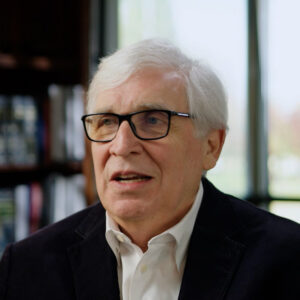 Michael Hackard is the founder of Hackard Law, a California trust and estate litigation firm with more than five decades of experience protecting the inheritance rights of families across Sacramento, the San Francisco Bay Area, and Los Angeles. He is the author of six published books on inheritance protection and has produced more than 1,000 educational videos with over seven million views.