


 (916) 313-3030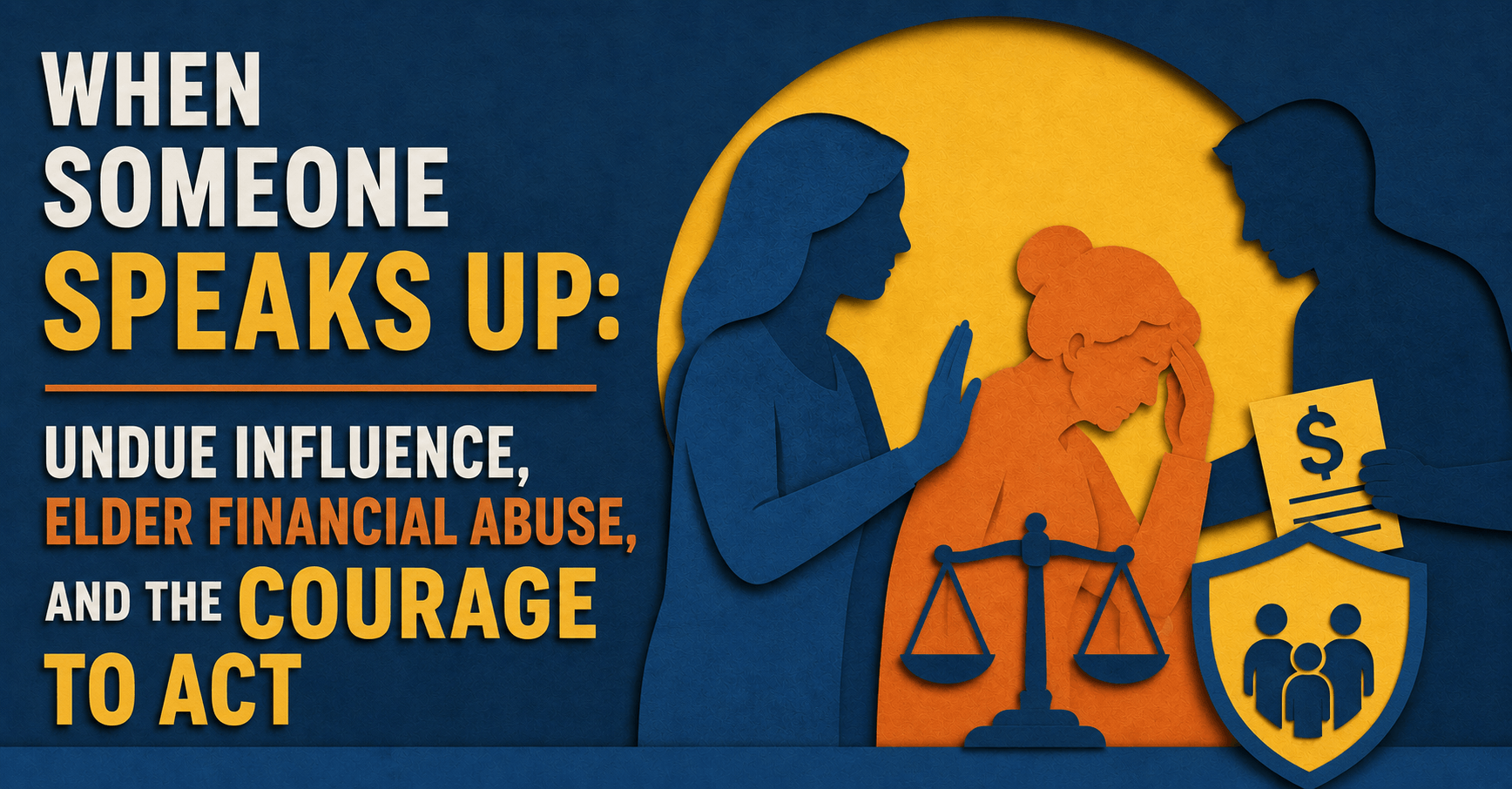
When Someone Speaks Up: Undue Influence, Elder Financial Abuse, and the Courage to Act

Why Whistleblowers Matter in Elder Financial Abuse Cases
I am Michael Hackard, founder of Hackard Law, and over five decades of practice, I have fought for heirs, beneficiaries, and elder abuse victims whose inheritances were stolen through manipulation, fraud, and undue influence. I have written four published books on inheritance protection, and my book The Wolf at the Door: Undue Influence and Elder Financial Abuse continues to reach readers and spark conversations more than a year after publication. Hackard Law serves clients throughout California – from Sacramento and the San Francisco Bay Area to Los Angeles – and the cases I handle share a common thread: a vulnerable senior, a calculated predator, and a family left scrambling for answers.
The story of Geraldine Weber, a New Hampshire senior with dementia and a $2 million estate, illustrates just how far undue influence can reach – and how much one person’s courage can matter. A local police officer befriended Weber, then became the primary beneficiary of her will after visiting her estate attorney. A judge ultimately ruled that Weber was a victim of undue influence. But that ruling did not happen on its own. It took a neighbor, another officer named John Connors, who saw what was happening and refused to stay silent – even when speaking up cost him.
Hackard Law provides contingency fee representation for qualified elder financial abuse and estate litigation cases, meaning no upfront costs to you. To discuss your situation, call us at (916) 313-3030.
Quick Summary
Undue influence cases often hinge on whether someone was willing to come forward and report what they witnessed. The Weber case shows that justice is possible – but it requires evidence, persistence, and legal action.
- A senior with dementia had her estate redirected to a trusted acquaintance through a new will
- One neighbor reported the suspected exploitation, faced retaliation, and was ultimately vindicated
- A court ruled the will was the product of undue influence
- California law provides strong civil remedies for victims and their families
- Early intervention is critical to preserving assets and building a case
What Undue Influence Looks Like in Practice
Undue influence is not always dramatic. It rarely involves a forged signature or an obvious theft. More often, it unfolds slowly – through isolation, dependency, and the gradual erosion of a senior’s ability to make free choices. California law defines undue influence as excessive persuasion that overcomes a person’s free will and causes them to act in a way that is not in their own interest.
In the Weber case, the pattern was recognizable: a senior with cognitive decline, a new and dominant relationship with someone in a position of trust, and an estate plan that changed dramatically in that person’s favor. These are the markers that California courts examine closely. The four types of elder financial exploitation patterns that attorneys recognize include caregiver manipulation, fiduciary abuse, predatory befriending, and document fraud – and the Weber case reflects more than one of them.
When a loved one withdraws, modifies their will, or starts transferring assets to a new person, families often have the right instinct to wonder what’s going on. It’s important to pay attention to that instinct.
Case Pattern: Predatory Befriending and a Changed Will
A neighbor became close to an elderly woman with progressive memory loss and started taking care of her everyday needs. Within months, her estate plan was amended to exclude her adult children completely and designate that neighbor as the primary beneficiary. A court determined that the modifications resulted from undue influence after legal action and a forensic examination of the timeline. The legitimate heirs recovered the estate.
The Role of Whistleblowers in Stopping Exploitation
John Connors did not have a legal obligation to report what he observed. He acted out of conscience – and paid a price for it before being vindicated. His story is a reminder that stopping elder financial abuse often depends on people outside the legal system who are willing to speak up.
In California, concerned family members, neighbors, and caregivers can report suspected elder abuse to Adult Protective Services or local law enforcement. But civil litigation is often the most effective path to recovering stolen assets and holding predators accountable. Early legal intervention in elder financial abuse cases can preserve evidence, freeze assets, and prevent further harm before a senior’s estate is fully depleted.
The legal system does not always move quickly. As the old saying goes, the wheels of justice turn slowly but grind exceedingly fine. That was true in Weber’s case, and it is true in California courtrooms today. Patience, documentation, and skilled litigation can bring justice – but the process requires someone willing to start it.
Case Pattern: A Neighbor’s Report Leads to Asset Recovery
A new acquaintance who had assumed the role of informal financial manager began receiving money transfers from an elderly man with mild dementia. A worried neighbor informed the man’s adult daughter, who then contacted a lawyer. After litigation, the court found the transfers were made under undue influence based on financial tracing and medical records. The estate was safeguarded, and the assets were retrieved.
California Law and Civil Remedies for Elder Financial Abuse
California has some of the strongest elder financial abuse statutes in the country. Under the Elder Abuse and Dependent Adult Civil Protection Act, victims and their families can pursue civil claims that go beyond simple asset recovery. Courts can award double damages and attorney fees in cases involving reckless or intentional financial abuse, which makes litigation a viable path even when the financial harm is significant.
Undue influence claims in estate cases can be used to challenge wills, trusts, deeds, and other transfers made while a senior was under the control of another person. The California inheritance theft guide outlines the legal tools available to families who believe a loved one’s estate was redirected through manipulation or fraud. These tools include will contests, trust challenges, and direct elder abuse claims – sometimes all in the same case.
Michael Hackard has written and spoken extensively on these issues, including in media coverage of The Wolf at the Door. The KUSI interview on undue influence and elder financial abuse captures the core message: exploitation follows predictable patterns, and families who recognize those patterns early have the best chance of stopping it.
Why Courage – and Legal Action – Both Matter
For decades, I have stood with families who were told they were wrong, overreacting, or too late. I have seen the financial toll grow while families waited, hoping the situation would resolve itself. The fracture that exploitation causes often runs too deep for any judgment to fully mend – but justice still matters, and recovery is still possible.
There is more to the Weber case than meets the eye. It is a human story about what happens when someone in a position of authority takes advantage of someone who is weak and what happens when someone else doesn’t turn away. In addition to being legal tactics, discovery, forensic analysis, and the pursuit of accountability serve as protections for families under threat from fraud and undue influence. What dishonesty attempted to steal is restored by an unwavering dedication to the truth.
Don’t wait if you think a family member has been the victim of elder financial abuse or undue influence. Time works against you, assets shift, and the evidence deteriorates. Hackard Law is ready to assess your case and defend your loved one’s intentions.
Key Definitions
- Undue influence: Excessive persuasion that overcomes a person’s free will, causing them to act against their own interests – a recognized basis for challenging wills and trusts in California.
- Elder financial abuse: The wrongful taking, concealment, or appropriation of an elder’s funds, property, or assets by any person, including a caregiver or fiduciary.
- Testamentary capacity: The mental ability a person must have at the time of signing a will or trust to understand what they are doing and the effect of their decisions.
- Predatory befriending: A pattern in which an individual cultivates a relationship with a vulnerable senior specifically to gain access to their finances or estate.
- Will contest: A legal challenge to the validity of a will, typically based on lack of capacity, undue influence, fraud, or improper execution.
- Civil elder abuse claim: A lawsuit brought under California’s Elder Abuse Act seeking damages, attorney fees, and asset recovery for financial exploitation of a person 65 or older.
- Whistleblower: A person who reports suspected wrongdoing – in elder abuse cases, often a neighbor, family member, or professional who observed exploitation firsthand.
- Fiduciary: A person with a legal duty to act in another’s best interest, such as a trustee, agent under power of attorney, or executor.
- Asset tracing: A forensic process used in litigation to follow the movement of funds or property from a senior’s estate to an alleged abuser.
What to Do Next
- Watch for warning signs, such as abrupt changes to a will or trust, the appointment of new financial managers, separation from family, or significant, unexplained transfers.
- Obtain copies of any estate planning documents that are available to you, and make a note of any recent modifications.
- Try to avoid confronting the suspected abuser directly before speaking with an attorney – it can complicate the case.
- Document what you observe: dates, conversations, names, and any financial transactions you are aware of.
- Look into California’s elder financial exploitation resources to understand your legal options.
- Consider whether early legal intervention could preserve assets before they are further dissipated.
- Review the contingency fee representation guide to understand how Hackard Law handles qualified cases at no upfront cost.
- Call Hackard Law at (916) 313-3030 to speak with our team about your situation.
- Visit our contact page to schedule a free consultation.
CALL THE SAGE | When Experience Matters, Families Listen
🏛️ We practice California trust & estate & elder financial abuse litigation
⚖️ We represent heirs, beneficiaries, and elder abuse victims
🎥 1,000+ educational videos | 7 million+ views | 4 published books
🎯 “After thousands of cases, I see the pattern others miss.”
CONTINGENCY REPRESENTATION – No Win, No Fee
Throughout California: Sacramento | Los Angeles | Bay Area
📞 CALL THE SAGE: (916) 313-3030
Subscribe for weekly insights on:
- Elder financial abuse warning signs and prevention
- Trust and estate litigation strategies
- Inheritance protection for California families
- Family protection strategies
When your inheritance is under attack, Call The Sage.
Hackard Law | 10640 Mather Blvd, Mather CA 95655
Attorney Advertisement | Michael Hackard, State Bar #71067
RELATED VIDEOS
Establishing Undue Influence & Elder Financial Abuse | CA Trust Litigation
Explains how courts determine undue influence in California trust and estate cases.
People with Dementia | Targets for Elder Financial Abuse
Examines why seniors with dementia are especially vulnerable to financial exploitation.
The Wolf at the Door: Undue Influence and Elder Financial Abuse | KUSI San Diego
Michael Hackard discusses his book on undue influence and elder financial abuse.
Caregiver Marriages | Elder Financial Abuse & Undue Influence
Looks at how trusted relationships can become vehicles for exploiting vulnerable seniors.
How Families Stop Elder Financial Abuse | Communication & Trust
Covers the role families play in recognizing and stopping elder financial exploitation.
Elder Inheritance Thefts | What Can We Do?
Discusses practical steps families can take when a senior’s inheritance has been stolen.
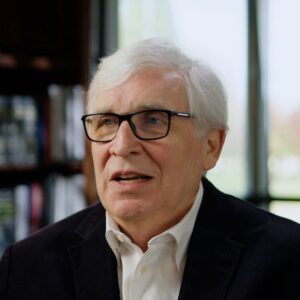 Michael Hackard is the founder of Hackard Law, a California trust and estate litigation firm with more than five decades of experience protecting the inheritance rights of families across Sacramento, the San Francisco Bay Area, and Los Angeles. He is the author of six published books on inheritance protection and has produced more than 1,000 educational videos with over seven million views.