


 (916) 313-3030
Warning Signs of Elder Financial Abuse: What California Families Must Know

Who I Am and Why This Matters
I am Michael Hackard, founder of Hackard Law. Over five decades of practice, I have fought for heirs, beneficiaries, and elder abuse victims across California – from Sacramento and the San Francisco Bay Area to Los Angeles. I have written four published books on inheritance protection and produced more than 1,000 educational videos, which have reached over 7 million viewers. Elder financial abuse is one of the most devastating – and most hidden – threats facing older Californians today. Families often do not recognize what is happening until substantial assets have already disappeared. My goal with this post is to give you the clearest possible picture of what to watch for, so you can act before it is too late.
According to the National Adult Protective Services Association, only 1 in 44 cases of elder financial abuse are ever reported. Victims are frequently too embarrassed to come forward, or they simply do not realize exploitation is occurring. That silence protects abusers, not families.
Hackard Law provides contingency fee representation for qualified elder financial abuse cases – no upfront costs to get started. If you suspect a loved one is being exploited, call us today at (916) 313-3030.
Quick Summary
Elder financial abuse is widespread, underreported, and often committed by people the victim already trusts. Families who recognize the warning signs early have the best chance of recovering misappropriated assets.
- Only 1 in 44 cases of elder financial abuse is reported, making family vigilance essential.
- Common warning signs include unpaid bills, missing assets, sudden changes to estate documents, and new close relationships.
- Abusers are often family members, caregivers, neighbors, or other trusted individuals.
- California law provides strong civil remedies, including the potential for double damages in proven cases.
- Time matters – the longer abuse continues, the harder asset recovery becomes.
The Underreporting Problem
Elder financial abuse thrives in silence. Older adults who are being exploited often feel ashamed, fear retaliation, or genuinely do not understand that what is happening to them is illegal. Some have cognitive decline that prevents them from recognizing manipulation. Family members are frequently the first – and sometimes the only – people in a position to notice that something is wrong.
Because recovery becomes increasingly difficult as more time passes, any suspicion of financial abuse deserves immediate attention. Assets that are transferred, spent, or hidden are far harder to trace and reclaim months or years later. Early legal intervention is not just advisable – it is often the disparity between recovery and permanent loss. Families in Sacramento and throughout Northern California can learn more about the options available through early intervention in elder financial abuse cases.
Key Warning Signs Every Family Should Recognize
Not every warning sign points to abuse, but each one deserves a closer look. Hackard Law identifies several patterns that consistently appear in elder financial abuse cases.
A sudden lack of knowledge about personal finances is one of the earliest indicators. An older adult who was previously engaged and informed about their own accounts, bills, and investments may have quietly handed over financial control to another person. That transfer of control is not automatically abusive, but it warrants careful scrutiny – especially if it happened quickly or without a clear reason.
Unpaid bills are another red flag. When an elder has the financial means to cover basic expenses, but utilities are being disconnected, rent or mortgage payments are overdue, or foreclosure notices are arriving, something is seriously wrong. The money is going somewhere – and it may not be going where the elder intended.
Case Pattern: A family noticed that their elderly mother, who had always managed her finances carefully, suddenly had past-due notices arriving at her home. A new acquaintance had been managing her accounts for several months. When the family consulted counsel, they discovered that significant sums had been redirected. Acting quickly allowed them to pursue civil remedies before the funds were fully dissipated.
Changes to estate documents deserve particular attention. Undue influence is a common tool of financial abusers – pressure applied to a vulnerable person to alter a will or trust in ways that benefit the abuser. In some cases, changes are made without the elder’s genuine understanding or consent. Any significant modification to estate documents, especially one that benefits a new or unexpected party, should be examined carefully. Hackard Law’s work on undue influence in California estate law addresses exactly how these manipulations unfold and how courts evaluate them.
Missing Assets and the New Close Relationship
Missing assets are among the clearest signals that exploitation may be underway. Cash, jewelry, collectibles, financial documents, vehicles, and other valuables can disappear gradually – each individual loss seeming minor until the full picture emerges. Families should take inventory of an elder’s known assets and pay attention when items cannot be accounted for.
Perhaps the most psychologically complex warning sign is the appearance of a new close relationship. Many abusers deliberately target isolated or lonely seniors, positioning themselves as companions, helpers, or confidants before gaining access to finances. The relationship feels genuine to the elder – which is precisely what makes it so dangerous. Loved ones should stay engaged with an older adult’s social circle and take note when a new person begins taking an unusually prominent role in the elder’s life and finances.
Case Pattern: An elderly widower in a Sacramento-area community developed a close friendship with a neighbor who began accompanying him to bank appointments. Over time, the neighbor’s name appeared on financial accounts. When the man’s adult children raised concerns, they discovered that substantial funds had been transferred. The family’s prompt action enabled litigation counsel to pursue recovery under California’s civil elder abuse statutes.
It is critical not to discount warning signs simply because the suspected person is a family member, long-time friend, accountant, attorney, or caregiver. The Sacramento elder financial abuse lawyers at Hackard Law know that trusted insiders commit a significant share of these cases – and that trust is often the abuser’s greatest advantage.
California’s Legal Remedies for Elder Financial Abuse
California law offers meaningful protections for elder abuse victims and their families. The Elder Abuse and Dependent Adult Civil Protection Act provides civil remedies that go beyond ordinary financial recovery. In proven cases, courts may award double damages and attorney fees – a powerful incentive for abusers to return what they have taken and a meaningful tool for families pursuing justice. You can review the full scope of these remedies through Hackard Law’s resource on civil remedies for elder financial abuse, including double damages and asset recovery.
For decades, I have stood with families who discovered too late that someone they trusted was stealing from someone they loved. The financial toll grows with every passing month – and the fracture in family trust often runs too deep for any judgment to fully mend. Discovery, forensic analysis, and the pursuit of justice are not just legal strategies. They are safeguards for families threatened by manipulation and greed. A steadfast commitment to truth restores what dishonesty tried to steal.
For a broader understanding of how elder financial exploitation unfolds and what legal tools are available, Hackard Law’s complete guide to elder financial exploitation is a valuable starting point.
Key Definitions
- Elder financial abuse: The illegal or improper use of an older adult’s funds, property, or assets by another person.
- Undue influence: Pressure applied to a vulnerable person that overrides their free will, often used to alter estate documents.
- Fiduciary: A person legally obligated to act in another’s best interest, such as a trustee, agent under a power of attorney, or financial advisor.
- Civil elder abuse statute: California’s Elder Abuse and Dependent Adult Civil Protection Act, which allows civil lawsuits with enhanced remedies.
- Double damages: A remedy available under California law that can double the financial award in proven elder financial abuse cases.
- Misappropriation: The wrongful taking or use of another person’s assets, including cash, property, or financial accounts.
- Testamentary capacity: The mental ability required for a person to validly execute a will or trust amendment.
- Isolation tactic: A method used by abusers to cut an elder off from family and friends, increasing the elder’s dependence on the abuser.
- Asset tracing: The legal and forensic process of identifying and locating funds or property that have been transferred or hidden.
- Contingency fee: A legal fee arrangement in which the attorney is paid only if the case is successfully resolved, with no upfront cost to the client.
What to Do Next
- Look for changes in an elder’s financial behavior, such as confusion about bills or accounts they previously managed with ease.
- Get copies of recent bank statements, account records, or estate documents if you have authority to do so.
- Try to avoid confronting a suspected abuser directly before consulting an attorney – doing so can cause assets to disappear faster.
- Look for any new names added to financial accounts, deeds, or estate documents without a clear explanation.
- Try to maintain regular contact with the elder so that isolation tactics are less effective.
- Document what you observe – dates, names, amounts, and specific incidents – to support any future legal action.
- Look into California’s civil elder abuse statutes and the remedies they provide by reviewing Hackard Law’s resources on guarding against elder financial abuse.
- Get a legal consultation as early as possible – time is the most critical factor in asset recovery.
- Call Hackard Law at (916) 313-3030 to discuss your situation with an attorney who handles elder financial abuse cases throughout California.
- You can also reach us through our contact page to schedule a confidential consultation.
CALL THE SAGE | When Experience Matters, Families Listen
🏛️ We practice California trust & estate & elder financial abuse litigation
⚖️ We represent heirs, beneficiaries, and elder abuse victims
🎥 1,000+ educational videos | 7 million+ views | 4 published books
🎯 “After thousands of cases, I see the pattern others miss.”
CONTINGENCY REPRESENTATION – No Win, No Fee
Throughout California: Sacramento | Los Angeles | Bay Area
📞 CALL THE SAGE: (916) 313-3030
Subscribe for weekly insights on:
- Elder financial abuse warning signs and prevention
- Trust and estate litigation strategies
- Inheritance protection for California families
- Family protection strategies
When your inheritance is under attack, Call The Sage.
Hackard Law | 10640 Mather Blvd, Mather CA 95655
Attorney Advertisement | Michael Hackard, State Bar #71067
RELATED VIDEOS
Elder Financial Abuse | Warning Signs | CA Trust Litigation
Explains the key warning signs of elder financial abuse in California.
How to Protect Families from Elder Financial Abuse | CA Trust Litigation
Walks families through practical steps to prevent and address elder financial exploitation.
How Families Stop Elder Financial Abuse | Communication & Trust
Covers how open family communication can help identify and stop financial abuse early.
The Cost of Elder Financial Abuse | California Estate & Trust Litigation
Examines the financial and personal toll elder financial abuse takes on victims and families.
Spotlighting Financial Elder Abuse | CA Trust Lawsuits
Shines a light on how elder financial abuse unfolds and how lawsuits can help.
Elder Financial Abuse Awareness | CA Trust Litigation Attorney
Raises awareness about elder financial abuse and the legal options available in California.
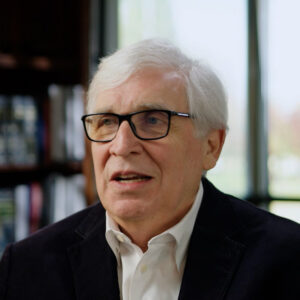 Michael Hackard is the founder of Hackard Law, a California trust and estate litigation firm with more than five decades of experience protecting the inheritance rights of families across Sacramento, the San Francisco Bay Area, and Los Angeles. He is the author of four published books on inheritance protection and has produced more than 1,000 educational videos with over seven million views.