


 (916) 313-3030
When a Will Feels Like a Betrayal: Understanding Your Rights in California Estate Disputes

I’m Michael Hackard, founder of Hackard Law. Over five decades of practice, I have stood beside families who expected unity after a loved one’s passing – and instead found themselves staring at a document that felt like a stranger wrote it. Why was I left out? Did someone get to her before she signed? Is this really what my father wanted?
These are not small questions. They carry the full weight of grief, family history, and financial consequence. I have written four books on inheritance protection and produced more than 1,000 educational videos that have reached over seven million viewers – because these questions deserve real answers, not silence. Hackard Law serves families throughout California, from Sacramento and the San Francisco Bay Area to Los Angeles, fighting to protect the rights of heirs and beneficiaries when something about a will or trust does not add up.
If you are asking these questions right now, do not make permanent decisions in the fog of loss. Get counsel that understands both the law and the heartbreak behind it.
Hackard Law provides contingency fee representation for qualified cases – no upfront costs to get started. Call us today at (916) 313-3030 to discuss your situation.
Quick Summary
A will or trust that surprises you may reflect undue influence, fraud, or a lack of mental capacity – all of which are grounds for a legal challenge in California. Acting promptly matters because deadlines are strict and evidence can disappear.
- California law allows heirs and beneficiaries to contest a will or trust on grounds including undue influence, fraud, forgery, or lack of capacity
- Signs of manipulation often appear in the months before a loved one signed the document
- Evidence – financial records, medical notes, witness accounts – must be gathered quickly
- Contingency fee representation makes legal action accessible without out-of-pocket costs
- Hackard Law litigates these disputes across California for families who deserve answers
Why Wills Get Contested
Not every surprising will is a bad one. People change their minds. Relationships shift. But there is a difference between a deliberate choice and a decision made under pressure – or made when someone no longer had the mental clarity to understand what they were signing.
California law recognizes several grounds for contesting a will or trust. Lack of testamentary capacity means the person did not understand the nature of the document, the extent of their property, or who their natural heirs were at the time of signing. Undue influence means someone in a position of trust – a caregiver, a new companion, a family member with access – used that relationship to override the person’s true wishes. Fraud means the signer was deceived about what they were signing. Forgery means the signature was never theirs at all.
These are not abstract legal theories. They describe real patterns that play out in California families every year, and they are exactly the kinds of claims Hackard Law litigates. You can read more about the most common probate, trust, and estate battles to understand how frequently these disputes arise.
The Signs Families Miss Until It Is Too Late
Undue influence rarely announces itself. It builds quietly – a new person who suddenly controls access, phone calls that stop getting returned, a parent who seems confused or fearful. By the time a will is signed, the damage may already be done.
A loved one who was becoming more and more isolated, changes in estate documents that coincided with a new relationship or a health decline, or a will that drastically favors one person while excluding everyone else without explanation are just a few examples of warning signs that families frequently notice only after the fact.
Strong evidence can come from medical records from the time of signing. Financial account statements, text messages, and the accounts of friends or neighbors who observed the behavioral shift can all be used. The difficulty lies in the need to collect and preserve this evidence as soon as possible. Will and trust contests in California have stringent deadlines, and waiting too long can result in the loss of unrecoverable rights.
Case Pattern: Sudden Isolation Before Signing
An elderly parent who becomes unreachable to adult children due to a decline in health is a pattern that Hackard Law comes across. The household is run by a new caregiver or companion. The estate documents are revised in a matter of months. Only after their parent dies do the kids find out about the changes. What the documents alone do not reveal is often uncovered through litigation focused on isolation, cognitive vulnerability, and the timing of the changes.
What California Law Gives You
For heirs, beneficiaries, and victims of elder abuse who feel a will or trust does not accurately represent their loved one’s wishes, California’s Probate Code offers helpful resources. A will contest submitted to the probate court may attempt to render the document void entirely or in part. Amendments made under dubious circumstances may be contested in a trust contest.
California also has some of the strongest elder financial abuse statutes in the country. When undue influence crosses into financial exploitation – money transferred out of accounts, real estate deeded away, assets moved through a power of attorney – those claims can be pursued under the Elder Abuse and Dependent Adult Civil Protection Act, which allows for recovery of attorney fees and, in some cases, enhanced damages.
Understanding what California beneficiaries can do when rights are being denied is a critical first step for anyone navigating these disputes. The 8 stages of trust and estate litigation also offer a clear picture of what the legal process looks like from start to finish.
Case Pattern: Late-Life Trust Amendment
Another pattern involves a surviving parent with early-stage dementia signing a trust amendment that completely eliminates one sibling and doubles the share of a sibling who recently moved in. A diagnosis of cognitive impairment was made only weeks prior to the amendment, according to medical records. The removed sibling challenges the amendment on capacity and undue influence grounds. The timing, the diagnosis, and the access of the favored sibling together form the core of the case.
The Cost of Waiting
One of the most damaging decisions a family can make is to wait and see. Grief is real, and the impulse to avoid conflict during a hard time is understandable. But California’s deadlines for contesting a will or trust are unforgiving. Once a trust becomes irrevocable at death, a 120-day statute of limitations often begins running from the date a trustee sends the required notice. Miss that window, and the right to challenge may be gone.
The financial toll grows the longer assets remain in the wrong hands. A family home transferred to the wrong person can be sold. Bank accounts can be drained. Evidence can be lost or destroyed. Every week of delay is a week that works against the family seeking justice.
For those concerned about the cost of litigation, contingency fee representation means that qualified clients pay no attorney fees unless there is a recovery. This removes the financial barrier that otherwise keeps families from protecting what is rightfully theirs.
Standing With Families Across California
For decades, I have stood with families who came to me in the middle of one of the hardest moments of their lives – not just grieving a loss, but questioning whether that loss was made worse by someone’s manipulation or dishonesty. The fracture that runs through a family when a will feels like a betrayal often runs too deep for any judgment alone to mend. But a steadfast commitment to truth restores what dishonesty tried to steal.
Discovery, forensic analysis, and the pursuit of justice – these are not just legal strategies, but safeguards for families threatened by undue influence and fraud. Hackard Law brings that commitment to every case we accept, whether the dispute arises in Sacramento, the Bay Area, Los Angeles, or anywhere across California. You can explore our full practice areas to understand the range of claims we handle.
Key Definitions
- Testamentary capacity: The legal standard requiring that a person understand what they own, who their heirs are, and the nature of a will or trust at the time of signing.
- Undue influence: Pressure or manipulation by someone in a position of trust that overrides a person’s free will in making estate decisions.
- Will contest: A legal proceeding challenging the validity of a will, typically filed in probate court.
- Trust contest: A legal challenge to the validity of a trust or one of its amendments, often based on capacity or undue influence.
- Statute of limitations: The deadline by which a legal claim must be filed; in California trust contests, this is often 120 days from trustee notice.
- Elder financial abuse: The wrongful taking of an older adult’s assets through fraud, undue influence, or misuse of authority such as a power of attorney.
- Irrevocable trust: A trust that cannot be changed or revoked after a triggering event, typically the death of the settlor.
- Probate: The court-supervised process of validating a will and administering an estate.
- Forensic accounting: Financial analysis used in litigation to trace asset movements, identify irregularities, and document financial exploitation.
- Contingency fee: A fee arrangement in which the attorney is paid only if the client recovers money, with no upfront cost to the client.
What to Do Next
- Look for any written notices from a trustee – these may start the clock on your legal deadline.
- Get copies of the will, trust, and any amendments as soon as possible.
- Look for medical records from the period when the documents were signed.
- Write down everything you remember about changes in your loved one’s behavior, access, and relationships before they passed.
- Try to avoid signing any releases, waivers, or settlement agreements without legal review.
- Look for financial records – bank statements, deed transfers, account changes – that occurred in the months before death.
- Talk to others who had contact with your loved one and may have witnessed concerning behavior.
- Learn what California beneficiaries need to know about their rights before taking any action.
- Visit our contact page to reach Hackard Law online.
- Call Hackard Law at (916) 313-3030 to speak with our team about your situation and whether your case qualifies for contingency fee representation.
CALL THE SAGE | When Experience Matters, Families Listen
🏛️ We practice California trust & estate & elder financial abuse litigation
⚖️ We represent heirs, beneficiaries, and elder abuse victims
🎥 1,000+ educational videos | 7 million+ views | 4 published books
🎯 “After thousands of cases, I see the pattern others miss.”
CONTINGENCY REPRESENTATION – No Win, No Fee
Throughout California: Sacramento | Los Angeles | Bay Area
📞 CALL THE SAGE: (916) 313-3030
Subscribe for weekly insights on:
- Elder financial abuse warning signs and prevention
- Trust and estate litigation strategies
- Inheritance protection for California families
- Family protection strategies
When your inheritance is under attack, Call The Sage.
Hackard Law | 10640 Mather Blvd, Mather CA 95655
Attorney Advertisement | Michael Hackard, State Bar #71067
RELATED VIDEOS
California’s High-Stakes Estate and Trust Litigators | Beneficiary Rights
Explains how California litigators fight to protect the rights of beneficiaries.
California Trust & Estate Litigation | Delay Is Not Your Friend
Warns why waiting too long to act can cost you your inheritance claim.
Trust Disputes | Elderly Parents and the Power of Benevolence
Examines how caregivers and close companions can manipulate elderly parents’ estate decisions.
Estate Disputes with Stepmothers: Understanding the Emotional and Legal Landscape
Walks through the emotional and legal challenges families face in stepparent estate disputes.
Untold Stories of Family Estate Disputes | CA Probate Litigation
Shares real family stories of inheritance conflicts that ended up in California probate court.
Did a Sociopath Loot Your Family’s Estate? | CA Trust Litigation Attorney
Covers how manipulative individuals exploit vulnerable loved ones to steal from an estate.
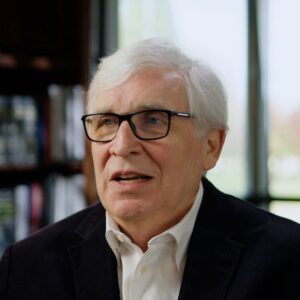 Michael Hackard is the founder of Hackard Law, a California trust and estate litigation firm with more than five decades of experience protecting the inheritance rights of families across Sacramento, the San Francisco Bay Area, and Los Angeles. He is the author of six published books on inheritance protection and has produced more than 1,000 educational videos with over seven million views.