


 (916) 313-3030
When Grief Leads to Conflict: Navigating Inheritance Disputes After a Loved One Dies

I am Michael Hackard, founder of Hackard Law. Over five decades of practice, I have sat with families at some of the hardest moments of their lives – moments when grief and legal conflict arrive at the same time. I have written four books on inheritance protection and produced more than 1,000 educational videos that have reached over seven million viewers. That work grows from a simple conviction: families deserve to understand their rights, even when they are still in the middle of mourning.
Hackard Law serves clients across California, including Sacramento, the San Francisco Bay Area, and Los Angeles. No matter where you are in the state, if something feels wrong about how an estate is being handled, I want you to know that your instincts matter and your rights are real.
Hackard Law offers contingency fee representation for qualified cases, meaning there are no upfront legal costs to get started. Call us at (916) 313-3030 to talk through your situation.
Quick Summary
Loss triggers grief, and grief can trigger conflict – especially when families face the legal and financial realities of settling an estate. Understanding why these disputes happen and what you can do about them is the first step toward protecting what your loved one intended.
- Inheritance disputes are emotionally charged because they involve love, memory, and family history – not just money.
- Legal language, unequal distributions, and delayed communication from trustees or executors can all fuel conflict.
- Beneficiaries in California have significant rights to timely distributions, accountings, and information.
- Families do not have to choose between grieving and protecting their inheritance rights.
- Early legal guidance can prevent small concerns from becoming full-scale litigation.
The Emotional Roots of Inheritance Battles
When someone we love dies, we do not stop being human. We carry grief, old tensions, and sometimes decades of complicated family dynamics into the probate or trust administration process. A will that seems to favor one sibling over another can feel like a final rejection. A trustee who goes silent can feel like a betrayal. These are not irrational reactions – they are deeply human ones.
What makes inheritance disputes different from other legal conflicts is that the stakes are not purely financial. Families are often fighting over what they believe their loved one truly wanted. A handwritten note, a conversation at the kitchen table, a promise made years ago – these things carry enormous weight, even when they have no legal standing on their own.
The legal system isn’t meant to handle grief. Courts handle documents, timelines, and evidence. Conflict often arises from this gap between what families believe and what the law requires.
Common Triggers for Estate and Trust Disputes
Not every inheritance dispute starts with bad intentions. Many begin with confusion, poor planning, or communication that breaks down under the pressure of loss. The top probate, trust, and estate battles in California share several recurring patterns.
A trustee who delays distributions without explanation is one of the most common sources of conflict. California law requires trustees to act reasonably and keep beneficiaries informed. When that does not happen, beneficiaries have legal options – including compelling accountings and challenging the trustee’s conduct. Understanding what California beneficiaries can do when a trustee delays distributions is critical knowledge for anyone in that position.
Unequal distributions are another flashpoint. Even when a trust document is clear, a beneficiary who receives less than expected may question whether undue influence played a role in how the estate plan was written or changed near the end of a loved one’s life.
Case Pattern: Sibling Dispute Over Delayed Trust Distribution
After a protracted illness, a family in Northern California lost their mother. For months, the other beneficiaries were not contacted by the successor trustee, who was one of the siblings. There was no accounting given. It became evident that assets had been transferred without permission when the beneficiaries sought legal assistance. The court finally ordered a complete accounting and trustee removal after litigation. The result reaffirmed that beneficiaries should never accept a trustee’s silence.
Your Rights as a Beneficiary Under California Law
California law gives trust and estate beneficiaries real protections. You have the right to receive a copy of the trust, to be notified of trust administration, and to receive a formal accounting of assets and distributions. If a trustee refuses to provide this information, a court can compel it.
Beneficiaries also have the right to challenge actions that appear improper – including transfers made under undue influence, gifts made when a loved one lacked capacity, or transactions that benefit the trustee at the expense of the estate. These rights exist regardless of whether you are named in a will or trust, as long as you have a legal interest in the estate. If you are unsure where you stand, reviewing the five things California trust beneficiaries must know is a good starting point.
For families navigating Sacramento County probate or disputes in Alameda County or Los Angeles, the procedural rules can differ. It is important to work with a lawyer who is knowledgeable about California trust and estate litigation in these areas.
Case Pattern: Sudden Change to an Estate Plan
A widower in Southern California revised his trust just weeks before his death, removing two of his adult children and leaving everything to a new companion. The children noticed he had been isolated from family in his final months and that the companion had taken control of his finances. A settlement that reinstated a substantial amount of the original inheritance resulted from a challenge based on undue influence and lack of capacity. Courts look at the pattern of isolation, control, and last-minute changes.
When to Seek Legal Help
A lot of families put off contacting an attorney for far too long. They either feel bad about questioning the process while they are still grieving or they hope the conflict will end on its own. However, California law has strict deadlines for challenging wills and trusts, and evidence can vanish quickly.
If you notice that a loved one’s estate plan changed dramatically near the end of their life, that a caregiver or new companion gained unexpected control, or that a trustee is unresponsive or evasive, these are signals worth taking seriously. The earlier you seek guidance, the more options you have. Knowing how to choose the right probate lawyer for your situation can make a meaningful difference in how your case unfolds.
Hackard Law handles cases on a contingency fee basis for qualified matters. You can learn more about what that means for your case through our contingency fee guide for California estate and trust litigation.
What Grief Teaches Us About Justice
For decades, I have stood with families who came to me not just because they wanted to win a legal case, but because they needed someone to take their concerns seriously. Grief can make people feel powerless. The legal system can feel cold and indifferent. But the law, when applied with care, does something important – it gives families a path back to what was promised.
The pursuit of accountability, forensic analysis, and discovery are not merely legal tactics. They serve as protections for families under threat from deceit, silence, and manipulation. What dishonesty attempted to steal is restored by an unwavering dedication to the truth. When we seek justice in an inheritance dispute, we respect the intentions of the deceased as well as the legal rights of the living.
The financial toll of an unresolved estate dispute grows with time. And the fracture it causes in family relationships often runs too deep for any judgment to mend. Acting early – with clear information and sound legal guidance – is the most important step a family can take.
Key Definitions
- Trustee: An individual or organization in charge of overseeing and allocating trust assets in accordance with the terms of the trust.
- Beneficiary: A person named to receive assets from a trust, will, or estate.
- Probate: The court-supervised process of validating a will and distributing a deceased person’s assets.
- Undue influence: When it comes to estate planning, pressure or manipulation can take precedence over an individual’s free will.
- Accounting: A formal record of all trust assets, income, expenses, and distributions that a trustee must provide to beneficiaries.
- Successor trustee: The person or institution that takes over trust management after the original trustee dies or becomes incapacitated.
- Capacity: The legal standard for whether a person had sufficient mental ability to make or change an estate plan.
- Contingency fee: A legal fee arrangement in which the attorney is paid only if the case results in a recovery – no upfront cost to the client.
- Contest: A formal legal challenge to a will or trust’s validity, usually on the grounds of fraud, undue influence, or incapacity.
- No-contest clause: A provision in a will or trust that disinherits a beneficiary who unsuccessfully challenges the document.
What to Do Next
- Look for any changes to your loved one’s estate plan made in the final months of their life, particularly if they were ill or isolated.
- Get copies of the trust or will as soon as possible – California law entitles beneficiaries to this information.
- Try to avoid signing any documents presented by a trustee or executor before speaking with an independent attorney.
- Write down everything you remember about your loved one’s expressed wishes, including conversations and promises.
- Look for financial records that might show unusual transfers or withdrawals near the time of death.
- Note any individuals who had unusual control over your loved one’s finances, housing, or medical decisions.
- Try to avoid waiting – California law imposes deadlines on trust and will contests that can expire quickly.
- Reach out to Hackard Law to learn whether your situation qualifies for contingency fee representation.
- Review our service areas to confirm we serve your county or region.
- Call Hackard Law at (916) 313-3030 to speak with our team, or visit our contact page to get started.
CALL THE SAGE | When Experience Matters, Families Listen
🏛️ We practice California trust & estate & elder financial abuse litigation
⚖️ We represent heirs, beneficiaries, and elder abuse victims
🎥 1,000+ educational videos | 7 million+ views | 4 published books
🎯 “After thousands of cases, I see the pattern others miss.”
CONTINGENCY REPRESENTATION – No Win, No Fee
Throughout California: Sacramento | Los Angeles | Bay Area
📞 CALL THE SAGE: (916) 313-3030
Subscribe for weekly insights on:
- Elder financial abuse warning signs and prevention
- Trust and estate litigation strategies
- Inheritance protection for California families
- Family protection strategies
When your inheritance is under attack, Call The Sage.
Hackard Law | 10640 Mather Blvd, Mather CA 95655
Attorney Advertisement | Michael Hackard, State Bar #71067
RELATED VIDEOS
Love, Loss & Litigation: How Grief Fuels Estate Disputes | Michael Hackard
Michael Hackard explores the emotional connection between grief and family estate conflicts.
Inheritance Heists Ch. 4: Helping Clients with Grief in Estate and Trust Disputes
How attorneys support clients navigating grief alongside estate and trust legal battles.
Untold Stories of Family Estate Disputes | CA Probate Litigation
Real family stories behind California probate and inheritance conflicts after a death.
Greed in Estate Disputes | My Brother’s Keeper
How greed among siblings and family members ignites inheritance battles.
Resolving Estate and Trust Disputes | The Tip of the Iceberg
Why estate and trust conflicts run deeper than the surface issues families first see.
Top 10 Types of Estate Battles | CA Probate & Trust Litigation
A breakdown of the most common estate and trust disputes seen in California courts.
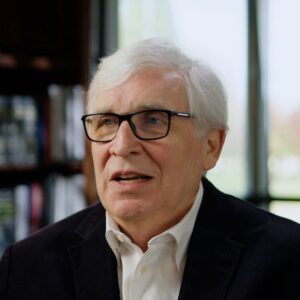 Michael Hackard is the founder of Hackard Law, a California trust and estate litigation firm with more than five decades of experience protecting the inheritance rights of families across Sacramento, the San Francisco Bay Area, and Los Angeles. He is the author of six published books on inheritance protection and has produced more than 1,000 educational videos with over seven million views.