(916) 313-3030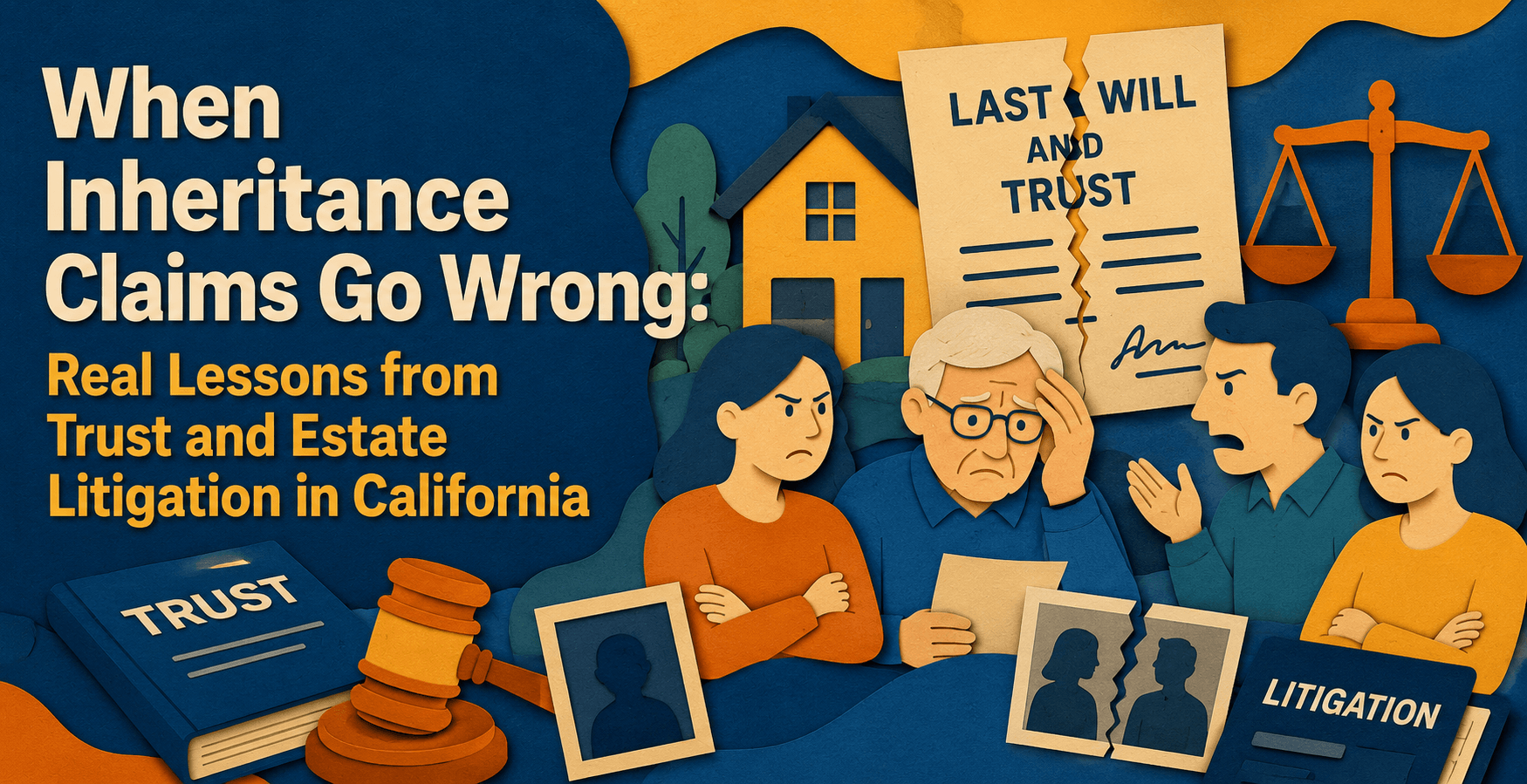
When Inheritance Claims Go Wrong: Real Lessons from Trust and Estate Litigation in California

A Lawyer’s Perspective on Real Cases – and Real Stakes
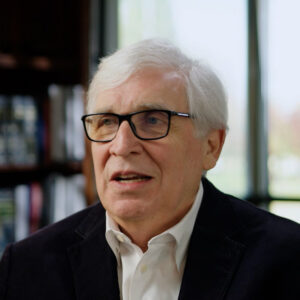
I am Michael Hackard, founder of Hackard Law. Over five decades of practice, I have fought for heirs, beneficiaries, and elder abuse victims whose inheritances were threatened by fraud, undue influence, and outright theft. I have written four published books on inheritance protection and produced more than 1,000 educational videos, which have reached over 7 million viewers. My firm serves families across Sacramento, the San Francisco Bay Area, and Los Angeles – communities where issues of trust and estate disputes can quietly devastate generations of hard-earned wealth.
Not every inheritance claim is legitimate. And not every story a client walks in with holds up under scrutiny. After five decades, I have heard claims that range from the heartbreaking to the genuinely bizarre. Some of those stories are worth telling – not to mock the people involved, but because they illuminate something important: the difference between a real inheritance dispute and a delusion can be subtle, and the stakes for real victims are always high.
Hackard Law provides contingency fee representation for qualified trust, estate, and elder financial abuse cases – no upfront costs to you. To find out whether your case qualifies, call us at (916) 313-3030.
Quick Summary
While not all inheritance claims are legitimate, those that are should have vigorous, knowledgeable counsel. In California, Hackard Law manages real estate litigation, including claims involving elder financial abuse, where vulnerable elders lose assets due to fraud and manipulation.
- Inheritance delusions are real and can consume a family’s time and resources.
- Legitimate disputes – undue influence, trustee misconduct, elder abuse – require legal action.
- California law provides strong remedies for heirs, beneficiaries, and elder abuse victims.
- Early legal involvement often determines whether assets can be recovered.
- Hackard Law handles cases on a contingency basis, so qualified clients pay nothing up front.
The Stories That Start at the Front Door
Early in my career, a senior partner handed me what he described as an unusual assignment. A client was convinced she had acquired New York City. I was 27, barely a year out of law school, and even then, I recognized the claim for what it was. Still, the job required me to spend an evening sorting through a mountain of mimeographed newspaper articles from the early 1900s – most of them documenting the failed claims of other would-be heirs who had pursued the same theory before her.
The next morning, I delivered the news. She had not inherited New York. She did not take it well.
I’ve never forgotten what I learned from that experience: delusion isn’t always dramatic. Sometimes it comes stealthily, wrapped in family lore and old records. Families may also incur actual financial costs due to the time, money, and emotional strain of pursuing an unattainable goal.
Not long after, I received a call from a man who identified himself as Winston Churchill’s grandson. The conversation expanded quickly. He also claimed a Nobel Prize, a career as a South American trapeze artist, and a family connection to Che Guevara. There were buried riches, he said – fields scattered across multiple continents. I let him know, as gently as I could, that I did not take celebrity cases. He moved on. So did I.
Why Legitimate Claims Matter More
I share these stories not to dismiss anyone who walks through our door with an unusual situation, but to draw a sharp contrast. Because for every far-fetched claim, there are dozens of real cases – families where a parent’s trust was rewritten in the final weeks of life, where a caregiver secluded a senior and redirected assets, where a trustee treated a family inheritance like a personal bank account.
Those are the cases Hackard Law litigates. The California inheritance theft guide we have developed reflects the patterns that appear again and again in real disputes: sudden changes to estate documents, new beneficiaries appearing late in a senior’s life, and trustees who go silent when asked for accountings.
Undue influence is one of the most common and most damaging forces in California estate litigation. When someone in a position of trust – a caregiver, a child, a new romantic partner – uses that access to redirect an elder’s assets, the harm can be permanent. Understanding undue influence in California estate law is often the first step toward building a viable case.
Case Pattern: A Pattern of Isolation and Late Document Changes
An adult child contacts Hackard Law after discovering that their parent’s trust was amended just weeks before the parent’s death. A new caregiver had moved in six months earlier, and family visits had become increasingly restricted. The amended trust redirected the bulk of the estate to the caregiver. Cases following this pattern frequently involve claims of undue influence, challenges to testamentary capacity, and requests for emergency asset preservation orders.
Elder Financial Abuse: The Cases That Keep Us Focused
Elder financial abuse is not a niche issue in California. It is widespread, underreported, and often carried out by people the victim trusted completely. Hackard Law’s Sacramento elder financial abuse practice exists because seniors in this region – and across the state – need attorneys who understand both the legal tools available and the human dynamics that make these cases so difficult.
California law provides meaningful remedies for victims and their families. In cases involving financial elder abuse, courts can award double damages and attorney fees against those who exploited a vulnerable adult. The civil remedies available for elder financial abuse are among the strongest in the country – but they require timely action. Assets move. Accounts get drained. Documents get destroyed. The window for successful intervention narrows quickly.
For families who suspect abuse is ongoing, early legal intervention in estate transfers can mean the difference between recovering assets and watching them disappear permanently.
Case Pattern: The Caregiver Who Became the Heir
A family discovers that their elderly relative, who had a moderate cognitive decline, executed a new will and durable power of attorney naming a paid caregiver as the primary beneficiary and agent. The relative had been estranged from the family for the final two years of life. Cases with this profile often proceed on theories of undue influence, lack of capacity, and elder financial abuse – with asset recovery as the primary goal.
What Real Trust and Estate Litigation Looks Like
For families facing a legitimate dispute, the path forward entails gathering evidence, comprehending the legal theories available, and moving quickly. Hackard Law handles contested wills and trusts in Sacramento and throughout California, taking cases on contingency so that families are not priced out of the justice they deserve.
There are things every beneficiary should understand before a dispute escalates. Knowing your rights, the schedule for action, and what documentation matters most can shape the outcome of a case. California beneficiaries navigating trust disputes should familiarize themselves with the five things every trust beneficiary needs to know before taking any steps.
For decades, I have stood with families who came to us after someone they trusted took advantage of a parent, grandparent, or sibling. The financial toll grows with every passing month that abuse goes unaddressed. The fracture in family relationships often runs too deep for any judgment to mend. But a steadfast, dedicated commitment to restore what dishonesty tried to steal – and that is what this work is about. Discovery, forensic analysis, and the pursuit of justice are not just legal strategies. They are safeguards for families threatened by manipulation and greed.
Key Definitions
- Undue influence: Pressure or manipulation that overrides a person’s free will in making estate planning decisions, often by someone in a position of trust or authority.
- Testamentary capacity: The legal standard for mental competence required to execute a valid will or trust amendment.
- Elder financial abuse: The illegal or improper use of an elder’s funds, property, or assets, often by a caregiver, family member, or trusted advisor.
- Contingency fee representation: A fee arrangement where the attorney is paid only if the case is won or settled, with no upfront costs to the client.
- Trust contest: A legal challenge to the validity of a trust document, typically based on undue influence, lack of capacity, or fraud.
- Trustee misconduct: Actions by a trustee that violate fiduciary duties, including self-dealing, failure to account, or misappropriation of trust assets.
- Fiduciary duty: The legal obligation of a trustee or other agent to act in the best interests of the beneficiaries they serve.
- Double damages: A remedy available under California elder abuse law that allows courts to award twice the actual damages in qualifying cases.
- Asset recovery: The legal process of identifying, freezing, and returning assets that were wrongfully transferred or misappropriated.
- Probate litigation: Court proceedings to resolve disputes involving wills, trusts, estates, and the rights of heirs and beneficiaries.
What to Do Next
- Look for sudden changes in a loved one’s estate documents, especially near the end of life or during a period of declining health.
- Get copies of any trust, will, or power of attorney documents you have a legal right to access.
- Try to avoid delays – California has strict statutes of limitations for trust contests and elder abuse claims.
- Document signs of isolation, caregiver control, or unusual financial transactions as early as possible.
- Look for patterns of a new beneficiary appearing in documents executed during a period of cognitive decline.
- Try to avoid confronting a suspected abuser directly before speaking with an attorney – it can complicate the legal strategy.
- Reach out to elder financial exploitation resources to understand your options before your first call.
- Review what informal estate planning conversations can and cannot accomplish legally.
- Call Hackard Law at (916) 313-3030 to discuss your situation with an attorney who handles these cases every day.
- Visit our contact page to request a confidential consultation online.
CALL THE SAGE | When Experience Matters, Families Listen
🏛️ We practice California trust & estate & elder financial abuse litigation
⚖️ We represent heirs, beneficiaries, and elder abuse victims
🎥 1,000+ educational videos | 7 million+ views | 4 published books
🎯 “After thousands of cases, I see the pattern others miss.”
CONTINGENCY REPRESENTATION – No Win, No Fee
Throughout California: Sacramento | Los Angeles | Bay Area
📞 CALL THE SAGE: (916) 313-3030
Subscribe for weekly insights on:
- Elder financial abuse warning signs and prevention
- Trust and estate litigation strategies
- Inheritance protection for California families
- Family protection strategies
When your inheritance is under attack, Call The Sage.
Hackard Law | 10640 Mather Blvd, Mather CA 95655
Attorney Advertisement | Michael Hackard, State Bar #71067
RELATED VIDEOS
How to Avoid Inheritance Disputes: Real Lessons from Celebrity Estate Battles | Michael Hackard
Michael Hackard uses celebrity estate battles to teach how inheritance disputes can be prevented.
Elder Financial Abuse | California Estate & Trust Litigation
An overview of how elder financial abuse unfolds and what California law allows victims to do.
Common Signs of Elder Financial Abuse | Estate & Trust Lawsuits
Learn the warning signs that a senior may be a victim of financial exploitation.
Inheritance Heists Ch. 3: Contingency Advantages for Estate Litigation
Explains how contingency fee arrangements help heirs pursue estate litigation without upfront costs.
Trust & Estate Bandits | CA Estate Litigation
Covers how bad actors steal trust and estate assets and how litigation can stop them.
Estate, Trust & Elder Financial Abuse Lawsuits | Civil Prosecution
Walks through how civil lawsuits are used to pursue justice in estate and elder abuse cases.