


 (916) 313-3030
When to Call an Elder Law Attorney in California: Planning Before the Crisis
Why Early Planning Changes Everything
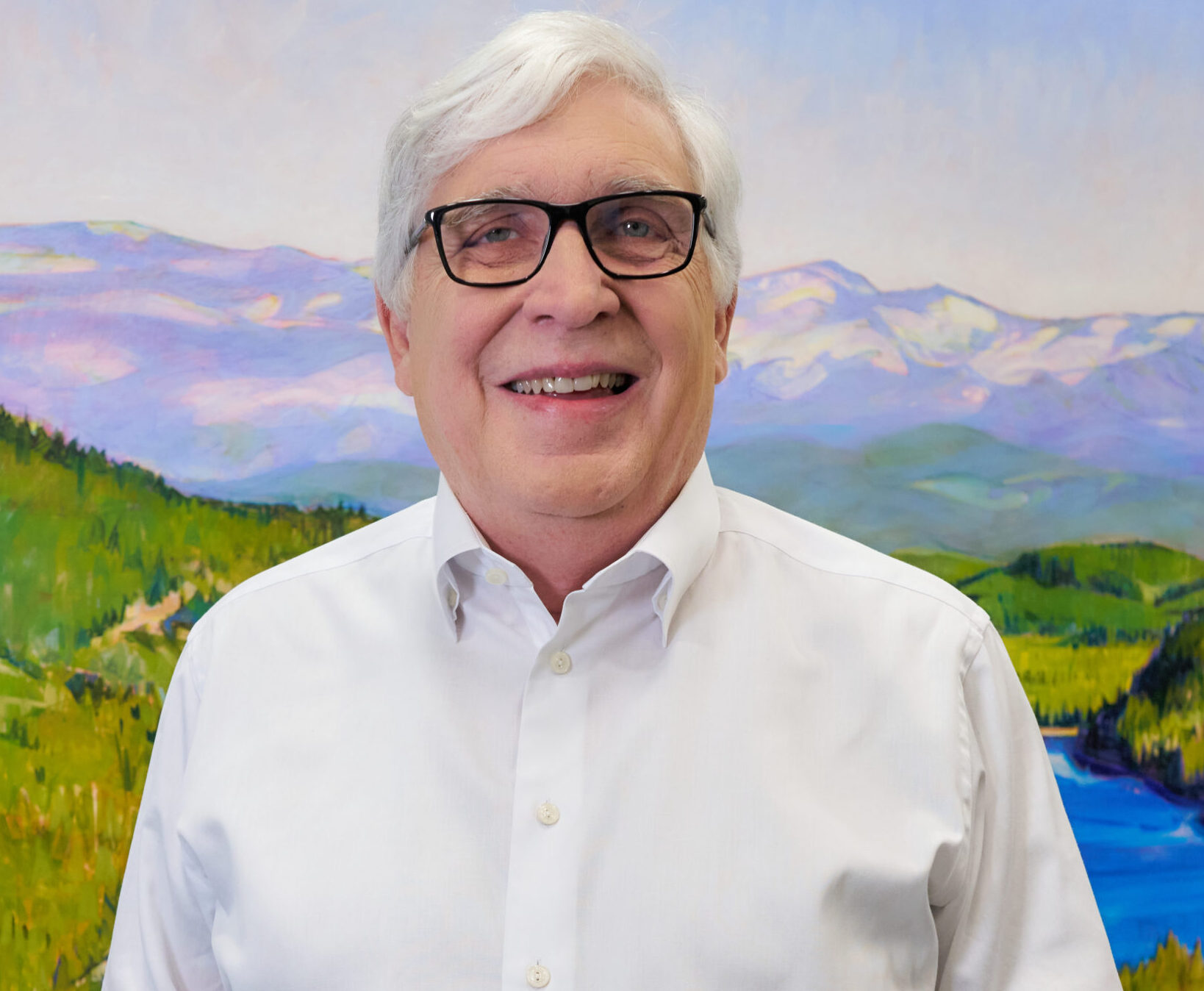
I’m Michael Hackard, founder of Hackard Law. Over five decades of practicing law in California, I have worked with hundreds of families facing the hardest moments of their lives – a parent’s memory slipping away, a loved one suddenly hospitalized, a family home threatened by the crushing cost of long-term care. I have published four books on inheritance protection and produced more than 1,000 educational videos that have reached over seven million viewers. I serve families throughout California, including Sacramento, the San Francisco Bay Area, and Los Angeles.
The optimum time to contact an elder law lawyer is before a crisis arises. This is the most significant lesson I have learned in fifty years. Families’ options become more limited, their stress levels increase, and the decisions they have to make become much more difficult when they wait until the emergency has already started.
Hackard Law offers contingency fee representation for qualified elder financial abuse and estate litigation cases – no upfront costs required. To find out whether your situation qualifies, call us at (916) 313-3030.
Quick Summary
Elder law, which addresses asset protection, care expenses, legal authority, and the avoidance of exploitation, is life planning for seniors and their families. Early action gives families options that vanish once a catastrophe strikes.
- Nursing home care in California can exceed $11,000 per month without a plan in place
- Powers of attorney and healthcare directives prevent costly, divisive court proceedings
- Medi-Cal planning done correctly protects assets without sacrificing eligibility
- Elder financial abuse is common and often committed by someone the senior trusts
- Early legal planning keeps families together instead of pulling them apart
What an Elder Law Attorney Actually Does
Elder law is not a single practice area – it is a set of overlapping protections designed to carry a family through the real challenges of aging. At Hackard Law, that work falls into five broad categories.
The first of them is asset protection. Without a plan, a prolonged nursing home stay can consume a lifetime of savings in months. Through properly structured trusts, annuities, and Medi-Cal planning, families can protect the family home and preserve what they worked decades to build. Our service areas span California, and the asset protection strategies we use are tailored to each family’s circumstances.
The second is legal authority. Powers of attorney and healthcare directives give trusted family members the ability to act when a senior cannot. Without these documents, families are often forced into guardianship or conservatorship – a court process that is slow, expensive, and emotionally exhausting. With them, a family stays in control.
The third one is benefits navigation. Medi-Cal and Medicare rules are layered and unforgiving. A single error can prevent a senior from receiving benefits they actually require or cost a family thousands of dollars. Families are legally and morally guided through that maze by an elder law attorney.
The fourth is abuse prevention and response. Elder financial exploitation is more common than most families expect, and it is not always a stranger who causes the harm. We discuss this in depth below.
The fifth is family cohesion. I have witnessed partners become overburdened by decisions for which they were unprepared, and siblings cease communicating about caregiving issues. Establishing the clarity that prevents families from breaking apart under duress is a component of elder law preparation.
The Real Cost of Waiting
Families often postpone elder law planning because nothing feels urgent yet. That delay is understandable – and it is also the most common mistake I see.
When dementia sets in or a medical emergency strikes, the window for voluntary planning closes. A senior who lacks legal capacity can no longer sign a power of attorney or update a trust. At that point, the family must go to court to establish a conservatorship, which can take months, cost tens of thousands of dollars, and create conflict that outlasts the legal process itself.
The financial toll grows quickly once care costs are factored in. Nursing home care in California regularly exceeds $11,000 per month. Without Medi-Cal planning in place, families watch their savings accounts empty and their real estate liquidated. Planning done years earlier – or even months earlier – can change that outcome entirely.
Case Pattern: A family with a farming property reached out before any health crisis had emerged. By transferring the farm into a properly structured trust, the family protected it from nursing home costs and ensured it would pass intact to the next generation. The planning took weeks. The protection lasted a lifetime.
Elder Financial Exploitation: A Threat Families Underestimate
One of the most painful parts of my work involves families who discover that a senior they love has been financially exploited – sometimes by a caregiver, sometimes by a family member, sometimes by someone who appeared trustworthy for years.
Elder financial exploitation takes many forms: unauthorized transfers, sudden changes to estate documents, isolation from family, and manipulation of a senior who is cognitively vulnerable. California law provides strong remedies, including the possibility of double damages and attorney fee recovery in proven cases of financial elder abuse.
Early legal intervention is critical. When exploitation is caught quickly, accounts can be frozen, assets can be traced, and transfers can sometimes be reversed. When families wait – hoping the situation will resolve on its own – the financial damage compounds and the legal recovery becomes harder.
Undue influence is a related threat. A person in a position of trust who pressures or manipulates a senior into changing a will, trust, or beneficiary designation may be exercising undue influence under California law. Recognizing the signs early gives families a fighting chance.
Case Pattern: A family noticed that a new caregiver had become the sole point of contact for an elderly parent and that the parent’s bank accounts showed unexplained withdrawals. Acting quickly, the family worked with Hackard Law to document the pattern and pursue recovery. The speed of intervention made the difference between partial recovery and total loss.
Powers of Attorney and Healthcare Directives: The Documents That Matter Most
If I had to identify the two documents that cause more family suffering than any others, they would be the durable power of attorney and the advance healthcare directive.
A durable power of attorney lets a trusted person manage financial matters – paying bills, managing accounts, handling real estate – if the senior becomes incapacitated. An advance healthcare directive lets a designated agent make medical decisions consistent with the senior’s wishes. Together, these documents eliminate the need for court intervention in most situations.
Without them, even the most loving family can find itself locked out of a senior’s accounts, unable to communicate with medical providers, and forced into a conservatorship proceeding that no one wanted. The documents are not complicated to create. The consequences of not having them can be devastating.
Families dealing with the aftermath of exploitation or contested estate documents can also find guidance in our resources on guarding against elder financial abuse and on how undue influence shapes California estate disputes.
Key Definitions
- Elder law: A legal practice area focused on the needs of aging individuals, including asset protection, benefits planning, legal authority, and abuse prevention.
- Medi-Cal planning: Legal strategies used to help seniors qualify for California’s Medicaid program while preserving assets within the bounds of the law.
- Durable power of attorney: A legal document authorizing a designated person to manage financial affairs on behalf of someone who is incapacitated.
- Advance healthcare directive: A document that records a person’s medical wishes and designates someone to make healthcare decisions if the person cannot.
- Conservatorship: A court-supervised arrangement in which a judge appoints a person to manage the affairs of someone who lacks legal capacity.
- Elder financial abuse: The illegal or improper use of a senior’s funds, property, or assets, whether by a stranger, caregiver, or family member.
- Undue influence: Pressure or manipulation that overrides a person’s free will, often used to alter estate documents in ways that benefit the manipulator.
- Trust: A legal arrangement in which assets are held by one party for the benefit of another, commonly used in elder law to protect property and avoid probate.
- Medi-Cal: California’s version of the federal Medicaid program, providing health coverage to eligible low-income individuals, including seniors needing long-term care.
- Contingency fee: A fee arrangement in which the attorney is paid only if the case results in a recovery, with no upfront cost to the client.
What to Do Next
- Look for signs that a senior in your family may be isolated, confused about finances, or subject to pressure from a caregiver or family member.
- Get copies of any existing estate planning documents – trusts, wills, powers of attorney, and healthcare directives – and review whether they reflect current wishes.
- Try to avoid waiting until a health crisis forces decisions under pressure; planning done in advance gives families real choices.
- Look into whether current Medi-Cal or Medicare eligibility planning is in place if long-term care costs are a concern.
- Get copies of recent bank and financial account statements if you suspect exploitation may already be occurring.
- Look for an elder law attorney who handles both planning and litigation, since some situations require both.
- Try to avoid informal conversations about estate changes as a substitute for properly drafted legal documents – courts look at what is written, not what was said.
- Reach out to Hackard Law to discuss your family’s situation and whether early planning or legal intervention is the right next step.
- Call Hackard Law at (916) 313-3030 to speak with our team about your options.
- Visit our contact page to request a consultation and learn how we can help your family plan ahead.
CALL THE SAGE | When Experience Matters, Families Listen
🏛️ We practice California trust & estate & elder financial abuse litigation
⚖️ We represent heirs, beneficiaries, and elder abuse victims
🎥 1,000+ educational videos | 7 million+ views | 4 published books
🎯 “After thousands of cases, I see the pattern others miss.”
CONTINGENCY REPRESENTATION – No Win, No Fee
Throughout California: Sacramento | Los Angeles | Bay Area
📞 CALL THE SAGE: (916) 313-3030
Subscribe for weekly insights on:
- Elder financial abuse warning signs and prevention
- Trust and estate litigation strategies
- Inheritance protection for California families
- Family protection strategies
When your inheritance is under attack, Call The Sage.
Hackard Law | 10640 Mather Blvd, Mather CA 95655
Attorney Advertisement | Michael Hackard, State Bar #71067
RELATED VIDEOS
9 Signs It’s Time to Call an Elder Law Attorney
Learn the key warning signs that signal it’s time to seek elder law help.
How an Elder Law Attorney Can Help Prevent Family Disputes
Explores how early legal planning keeps families out of costly, painful conflicts.
People with Dementia | Targets for Elder Financial Abuse
Explains why seniors with dementia are especially vulnerable to financial exploitation.
Spotlight Conservatorship Abuse | CA Trust Attorney
Examines how conservatorships can be misused and what families should watch for.
Prevent Estate Crimes & Protecting Your Family’s Future
Covers practical steps families can take to safeguard assets and prevent estate crimes.
Inheritance Heists Ch. 2: Flexible Planning to Prevent Estate Conflict
Discusses how thoughtful, flexible estate planning can head off future family disputes.
 Michael Hackard is the founder of Hackard Law, a California trust and estate litigation firm with more than five decades of experience protecting the inheritance rights of families across Sacramento, the San Francisco Bay Area, and Los Angeles. He is the author of four published books on inheritance protection and has produced more than 1,000 educational videos with over seven million views.