


 (916) 313-3030
 When Trustees Act Like Potentates: Beneficiary Rights and Trustee Discretion in California
The Power of a Trustee Is Not Absolute
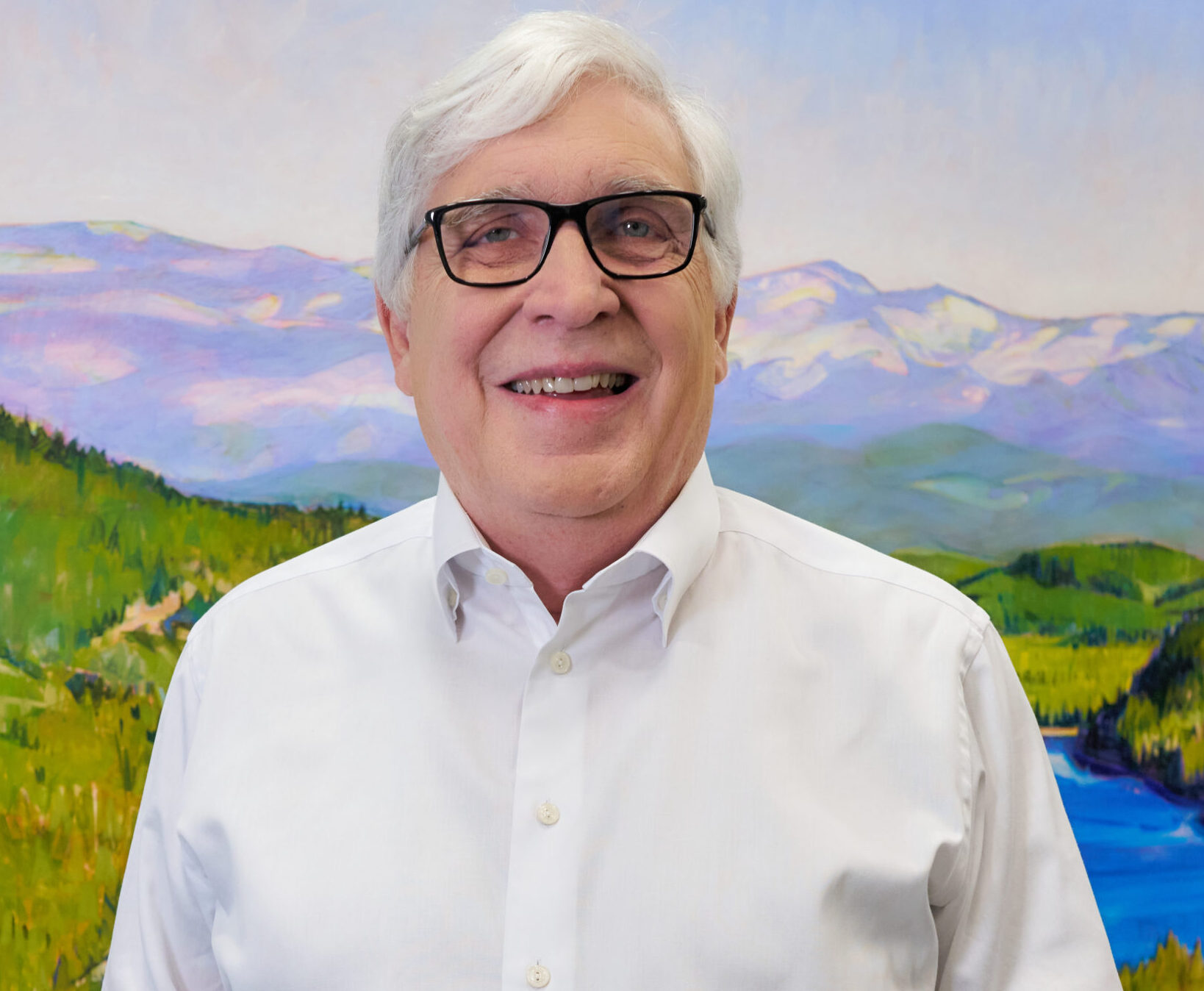
I am Michael Hackard, founder of Hackard Law. Over five decades of practice, I have fought for heirs, beneficiaries, and elder abuse victims whose trust distributions were denied, delayed, or simply ignored by trustees who believed their authority was beyond question. I have written four books on inheritance protection and produced more than 1,000 educational videos that have drawn over seven million views – because families deserve to understand their rights before a crisis forces the issue.
Hackard Law serves clients throughout the San Francisco Bay Area, including Alameda, Santa Clara, and Contra Costa counties, as well as Sacramento and Los Angeles. If you are a trust beneficiary who has been told “no” without explanation, or whose trustee seems to be running a one-person show, this post is for you. Power can be intoxicating. Some trustees grow with its possibilities. Others swell with pride and arrogance – acting like rulers whose decisions need no justification. That posture is not just offensive. In California, it is legally vulnerable.
Hackard Law provides contingency fee representation for qualified trust and estate cases – no upfront costs to you. To discuss your situation, call us today at (916) 313-3030.
Quick Summary
California trustees hold broad discretion over trust distributions, but that discretion is not unlimited. When trustees act arbitrarily – or simply refuse to engage with a beneficiary’s real needs – courts will intervene.
- Trustees must stay informed about a beneficiary’s circumstances, not just respond to formal requests
- The HEMS standard (health, education, maintenance, and support) is one of the most common distribution frameworks in California trusts
- Arbitrary decision-making – including a refusal to explain reasoning – can be challenged in court
- California trust proceedings allow full civil discovery, including depositions and document production
- Hackard Law represents beneficiaries in trust disputes across the Bay Area and throughout California
What the HEMS Standard Actually Requires
Estate planning attorneys, financial advisors, and accountants often refer to the health, education, maintenance, and support standard simply as HEMS. It appears in countless California trust documents and carries real legal weight. A typical HEMS provision directs the trustee to pay or apply for the benefit of the beneficiary so much of the net income and principal as the trustee deems necessary for the beneficiary’s support, health, and education – taking into account any other resources available to the beneficiary.
This language is not decorative. It reflects the grantor’s intent: the beneficiary is the first object of their bounty. If trust income is insufficient, the principal is available. The trustee cannot simply look away from a beneficiary’s demonstrated needs and call that a decision.
For Bay Area families navigating these disputes, understanding what California beneficiaries can do when a trustee delays distributions without cause is an essential first step.
The Duty to Know the Beneficiary’s Situation
The discretion of a trustee does not give them permission to do nothing. According to California law, the trustee has an affirmative duty to learn about the beneficiary’s needs and condition in order to make decisions that are in line with the grantor’s intentions. A trustee has not used discretion if they never get in touch with the beneficiary, never inquire about their situation, and never take their real circumstances into account. They’ve just given it up.
Courts will not generally substitute their judgment for a trustee’s – but they will not permit abuse of that discretion either. Arbitrary decision-making, meaning a failure to exercise judgment at all, invites court intervention. The failure to probe into a beneficiary’s circumstances is itself a breach.
Case Pattern: A trustee of a family trust in the Bay Area consistently turned down requests for distribution from an adult beneficiary who had substantial medical expenses. When questioned, the trustee was unable to pinpoint a single investigation into the beneficiary’s situation. A negotiated resolution that restored the distributions the grantor had always intended resulted from the court’s finding that the trustee had failed to exercise any meaningful judgment and its order for a complete accounting.
When “Because I Said So” Is Not Enough
I have seen this pattern more times than I can count. A beneficiary submits a reasonable request. The trustee responds with a flat denial, or worse, silence. When pressed for reasoning, the response amounts to nothing more than a parent dismissing a child’s question. But adult beneficiaries are not children. Their parents – the grantors who built and funded these trusts – invested love, thought, time, and money to provide for them. They deserve adult reasoning and a trustee who takes that responsibility seriously.
The top trust and estate battles in California consistently include situations where trustees exercise power without accountability. That pattern is not inevitable – it is challengeable.
Case Pattern: A corporate trustee managing a Northern California trust with significant real estate holdings repeatedly cited vague “investment policy” language to justify withholding distributions from a beneficiary with documented educational expenses. Discovery revealed the trustee had no written policy and had never reviewed the beneficiary’s submitted documentation. The case settled after depositions exposed the absence of any deliberate judgment.
Discovery: The Beneficiary’s Most Powerful Tool
California, like many states, provides that civil discovery procedures apply in trust proceedings. This matters enormously. A beneficiary challenging a trustee’s decision-making is flying blind without access to the trustee’s internal records, communications, and decision logs. Document production, depositions, and written discovery can reveal what the trustee actually considered – or failed to consider.
The critical questions in any such challenge include: Did the trustee know the beneficiary’s needs? Did they make real contact, or was it merely perfunctory? What internal standards guided the decision? How did the trustee handle the tension between current and successive beneficiaries, particularly where the trust mandates that the grantor’s first object of bounty has access to principal if necessary?
For beneficiaries in the East Bay, Hackard Law handles Alameda County estate litigation and Oakland estate litigation, including cases involving trustee discretion disputes. Clients in the South Bay can learn more about Santa Clara estate litigation and trust and will contest options available in that county.
For a deeper look at how contingency arrangements make these cases accessible, this resource on trust contingency fees explains how representation works when beneficiaries cannot afford hourly litigation costs.
What Beneficiaries Should Know Before Filing a Challenge
Not every denied request rises to the level of an actionable breach. But patterns of arbitrary behavior, refusal to communicate, and indifference to the beneficiary’s documented needs often do. Before pursuing formal litigation, beneficiaries should understand the landscape. The five things California trust beneficiaries must know are a useful foundation.
For Bay Area families considering their options, Michael Hackard’s background and approach reflect the firm’s commitment to cases where meaningful accountability is possible. Hackard Law focuses on substantial matters where the facts support a real challenge and where the trustee can be held financially accountable for their conduct.
In addition to being legal tactics, discovery, forensic analysis, and the pursuit of justice serve as protections for families endangered by unbridled trustee power and the subtle deterioration of a grantor’s meticulously constructed legacy. Over time, the cost of a trustee’s apathy increases. Any ruling may not be able to completely heal the rift that exists between a beneficiary and the trust that is supposed to support them. What apathy attempted to steal is restored by a resolute dedication to the truth.
Key Definitions
- HEMS standard: A common trust distribution framework requiring the trustee to consider the beneficiary’s health, education, maintenance, and support when making distribution decisions.
- Trustee discretion: The authority granted to a trustee to make distribution and management decisions, bounded by the trust document and California law.
- Grantor: The person who created and funded the trust, whose intent governs how the trustee must act.
- Arbitrary decision-making: A failure to exercise genuine judgment – including ignoring a beneficiary’s circumstances entirely – which courts treat as an abuse of discretion.
- Trust corpus: The principal or body of the trust, available for distribution when income is insufficient under HEMS provisions.
- Successive beneficiaries: Individuals who are entitled to trust assets after a primary beneficiary, whose interests a trustee must weigh but cannot use as a pretext to deny the primary beneficiary’s legitimate needs.
- Civil discovery in trust proceedings: The legal process allowing parties in California trust litigation to obtain documents, take depositions, and compel disclosure of the trustee’s decision-making records.
- Duty to inquire: The trustee’s affirmative obligation to stay informed about a beneficiary’s circumstances, not merely react to formal requests.
- Abuse of discretion: A legal standard under which courts will intervene when a trustee exercises power arbitrarily, in bad faith, or without any meaningful judgment.
- Petition for court intervention: A formal legal filing asking a California probate court to review and correct a trustee’s conduct.
What to Do Next
- Look for a pattern – one denied request may be defensible; repeated denials without explanation may signal a deeper problem.
- Get copies of the trust document and any distribution requests you have submitted, along with any written responses from the trustee.
- Keep a record of all contact with the trustee, including dates, what was discussed, and whether the trustee ever asked about your circumstances.
- Look for any language in the trust referencing HEMS or support obligations – this is often the foundation of a distribution challenge.
- Try to avoid waiting too long; California trust contests and beneficiary challenges are subject to statutes of limitations.
- Consider whether the trustee has ever proactively reached out to understand your situation, or whether all contact has been reactive and minimal.
- Get a legal evaluation before concluding that nothing can be done – what looks like broad discretion often has real limits under California law.
- Call Hackard Law at (916) 313-3030 to discuss your case with an attorney who handles trustee discretion disputes throughout the Bay Area and California.
- Visit our contact page to reach us online and tell us about your situation.
CALL THE SAGE | When Experience Matters, Families Listen
🏛️ We practice California trust & estate & elder financial abuse litigation
⚖️ We represent heirs, beneficiaries, and elder abuse victims
🎥 1,000+ educational videos | 7 million+ views | 6 published books
🎯 “After thousands of cases, I see the pattern others miss.”
CONTINGENCY REPRESENTATION – No Win, No Fee
Throughout California: Sacramento | Los Angeles | Bay Area
📞 CALL THE SAGE: (916) 313-3030
Subscribe for weekly insights on:
- Elder financial abuse warning signs and prevention
- Trust and estate litigation strategies
- Inheritance protection for California families
- Family protection strategies
When your inheritance is under attack, Call The Sage.
Hackard Law | 10640 Mather Blvd, Mather CA 95655
Attorney Advertisement | Michael Hackard, State Bar #71067
RELATED VIDEOS
Frustrated Trust Beneficiaries | When the Trustee Says Nothing at All
What beneficiaries can do when a trustee refuses to communicate or explain decisions.
Are You a Trust Beneficiary? Know Your Rights
An overview of the legal rights California trust beneficiaries hold against their trustees.
When a Trustee Turns Against You: Litigating a Family Member’s Breach of Trust | Michael Hackard
Michael Hackard explains how to pursue litigation when a trustee breaches their fiduciary duty.
CA Trustee’s Bad Ideas | Hiding the Trust from Beneficiaries
Why trustees who conceal trust information from beneficiaries face serious legal consequences.
Removing a Trustee in California | Beneficiary Rights
How California beneficiaries can petition a court to remove an unfit or abusive trustee.
Trust Beneficiary Rights | Fiduciary Responsibility
A look at the fiduciary duties trustees owe to the beneficiaries they serve.
 Michael Hackard is the founder of Hackard Law, a California trust and estate litigation firm with more than five decades of experience protecting the inheritance rights of families across Sacramento, the San Francisco Bay Area, and Los Angeles. He is the author of six published books and has produced more than 1,000 educational videos with over seven million views.