I’m Michael Hackard, founder of Hackard Law. Over five decades of practice, I have fought for heirs, beneficiaries, and elder abuse victims across California – from Sacramento and the San Francisco Bay Area to Los Angeles. I have written four books on inheritance protection, and our firm has produced more than 1,000 educational videos that have reached over seven million viewers. That reach matters to me, because the families we serve often feel invisible – they know something is wrong, but they don’t know where to turn.
One of the most frustrating situations I encounter is the beneficiary who is dismissed as a “poor little rich kid.” From the outside, the trust looks wealthy. From the inside, the beneficiary is receiving nothing – or far less than what the person who created the trust ever intended. Trustees – whether family members, licensed individual fiduciaries, or large corporate institutions – share the same core legal obligation: to allocate the trust solely in the interest of the beneficiaries. When they don’t, litigation is often the only path to accountability.
Hackard Law provides contingency fee representation for qualified trust and estate cases – no upfront costs to you. If you believe a trustee is mishandling assets that belong to you, call us at (916) 313-3030.
Quick Summary
Trustees in California – whether family members, licensed fiduciaries, or corporate institutions – have a legal duty to administer trusts in the beneficiaries’ best interest. When they fail, California law provides remedies.
A family member serving as trustee cannot favor himself over co-beneficiaries
Licensed for-profit fiduciaries must act solely in the interest of the people they serve
Corporate trustees must weigh the beneficiary’s condition, needs, and the scope of their discretion before withholding distributions.
Beneficiaries who receive little or nothing from a funded trust may have strong legal claims.
Hackard Law litigates these cases throughout California on a contingency fee basis.
Three Patterns of Trustee Failure
The following situations, drawn from real case patterns with details modified to protect privacy, illustrate how trustee misconduct plays out in practice.
A wealthy father, unmarried and dying, turns to an estate planner who introduces him to a licensed California fiduciary. She advertises compassion on her website. He believes her. He instructs that his children be taken care of. After he dies, the fiduciary moves immediately to evict one of the children from the family home. She provides no income to either child. She sits on millions of dollars in assets. Her attorney gets paid. She gets paid. She makes clear that any attorneys’ fees incurred in defending her actions will be paid from the trust, i.e., from the children’s inheritance. The children receive nothing while she decides when she will act.
A mother in one of California’s most exclusive zip codes leaves a generous trust for her three children. She names her oldest son – from an earlier marriage – as trustee, to administer the trust for himself and his two much younger half-brothers. After the mother dies, the oldest son proves generous with himself and a penny-pincher toward his brothers. The younger brothers receive income below the federal poverty level. Children raised in wealth, now living in poverty, while their trustee-brother controls the assets.
A Northern California widow wants to provide for her daughter after she is gone. Her estate planner recommends an out-of-state corporate trustee. The corporate fiduciary’s website promises white-glove service, peace of mind, and a best-interest approach. In practice, the trustee charges more in administration fees each year than it distributes to the beneficiary. It’s claimed independence from outside pressure turns out to be independence from the beneficiary’s actual needs.
Case Pattern: The Self-Serving Family Trustee
A sole trustee who is also a trust beneficiary administers a multi-million-dollar trust. Over several years, he has made large discretionary distributions to himself while providing his co-beneficiary siblings with minimal support. When the siblings retain counsel and demand an accounting, the records reveal a pattern of self-dealing that the court finds violates the trustee’s duty of impartiality. The trustee is removed and ordered to restore the improperly taken funds.
What California Law Requires of Trustees
California law is not ambiguous on trustee duties. A trustee must administer the trust solely in the interest of the beneficiaries – not in the trustee’s own interest, not in the interest of the trustee’s attorney, and not in the interest of the institution collecting annual fees.
For a family member serving as sole trustee who is also a beneficiary, the law requires that the trust not be administered in a way that unduly favors the trustee-beneficiary over others. That means distributions, investment decisions, and the timing of trust actions must reflect the interests of all beneficiaries, not just the one holding the checkbook.
For licensed individual fiduciaries, the obligation is the same: administer solely in the interest of the beneficiaries. A fiduciary who uses trust assets to pay her own attorney while providing nothing to the people the trust was designed to protect is not meeting that standard.
For corporate trustees, California law adds a layer of specificity. The trustee must consider the size of the estate, the beneficiary’s condition in life, and the extent of the trustee’s own discretion when determining how much to distribute. Charging more in fees than is distributed to the beneficiary is not a neutral administrative outcome – it is a failure of judgment and duty. You can learn more about what California beneficiaries can do when a trustee delays distributions without cause on our website.
Case Pattern: The Corporate Trustee Fee Trap
After receiving yearly distributions that are significantly less than the trustee’s own fees, a beneficiary of a multimillion-dollar trust contacts Hackard Law. Examining trust accounting reveals that the corporate trustee has been accepting large yearly fees while using the trust’s broad discretionary language to support small distributions. Litigation and a demand for formal accounting reveal that the trustee’s fee structure was never fully disclosed, and that distributions were significantly lower than required by the trust language and beneficiary circumstances.
The Problem with “Discretionary” Language
Many trust disputes are based on discretionary distribution clauses. A trust may say the trustee “may” distribute funds for the beneficiary’s health, education, maintenance, and support. Trustees sometimes read that language as a near-unlimited right to withhold. Courts read it differently.
Discretion does not mean the trustee can ignore the beneficiary’s needs. It means the trustee must exercise judgment – real judgment, informed by the beneficiary’s circumstances – in deciding what to distribute. A trustee who withholds all income from a beneficiary while collecting fees is not exercising discretion. That trustee is breaching a duty.
Hackard Law litigates these cases by demanding accountings, reviewing distribution histories, and building a record that shows the gap between what the trust was designed to do and what the trustee actually did. Understanding trustee accountability when requests for an accounting failis often the first step families need to take.
Why Beneficiaries Hesitate – and Why That Hesitation Costs Them
Many beneficiaries wait too long before consulting an attorney. They may believe the trustee’s explanations. They may fear family conflict. Or they may assume that because the trust appears wealthy, the situation will eventually resolve itself.
The financial toll grows with every year of delay. Fees accumulate. Distributions that should have been made are not made. And in some cases, trustees take actions – selling assets, making transfers, changing investment strategies – that are difficult or impossible to reverse.
I have stood by families for decades who were told to wait their turn, be patient, and have faith in the process. I have seen the exploitation of that forbearance. The families who fare best are those who ask hard questions early, obtain copies of trust documents, and consult with an attorney before the situation reaches a crisis point. California beneficiaries should also review the five things every California trust beneficiary must know before accepting a trustee’s representations at face value.
Discovery, forensic analysis of trust accountings, and the pursuit of accountability – these are not just legal strategies, but safeguards for families whose inheritance is being quietly consumed by the very people appointed to protect it. A steadfast commitment to truth restores what dishonesty tried to steal. The fracture that trustee misconduct causes in families often runs too deep for any judgment to fully mend – but holding trustees to their legal obligations is where healing begins.
Key Definitions
Trustee: A person or institution appointed to hold and administer trust assets for the benefit of one or more beneficiaries.
Beneficiary: A person entitled to receive distributions or other benefits from a trust.
Fiduciary duty: The legal obligation of a trustee to act in the best interest of the beneficiaries, placing their interests above the trustee’s own.
Discretionary distribution: A distribution that the trustee has authority to make based on judgment, but that judgment must be exercised in good faith and in the beneficiary’s interest.
Licensed fiduciary: An individual licensed by California to serve as a professional trustee or conservator for compensation.
Corporate trustee: A bank, trust company, or other institution serving as trustee, typically for a fee based on a percentage of trust assets.
Breach of fiduciary duty: A trustee’s failure to meet the legal standard of care owed to beneficiaries, which can result in removal, surcharge, and damages.
Trust accounting: A formal statement of trust assets, income, expenses, and distributions that trustees are required to provide to beneficiaries.
Surcharge: A court-ordered remedy requiring a trustee to repay the trust for losses caused by the trustee’s misconduct or negligence.
Trustee removal: A court order terminating a trustee’s authority, typically sought when the trustee has breached duties or cannot be trusted to administer the trust properly.
What to Do Next
Get copies of the trust document and any amendments as soon as possible.
Review annual trust accountings and ensure distributions comply with the trust’s requirements.
Avoiding direct confrontation with the trustee before consulting an attorney can make your legal situation more difficult.
Make a timeline of everything that happened, including any correspondence you had with the trustee regarding trust administration or distributions.
Look for trends: Does the trustee pay legal fees and attorneys while beneficiary distributions are either nonexistent or very small?
Make an effort to ascertain whether the trustee has unjustly sold, transferred, or encumbered any trust assets.
Discusses how beneficiaries can pursue withheld trust distributions with a contingency fee attorney.
Frequently Asked Questions
A trustee with discretionary authority is not required to distribute on demand, but that discretion must be exercised in good faith and in the beneficiary’s interest. A trustee who withholds all distributions while collecting fees and paying legal costs from trust assets is likely breaching fiduciary duty and may be subject to court-ordered surcharge or removal.
A licensed fiduciary is an individual licensed by California to serve as a professional trustee for compensation. A corporate trustee is an institution – such as a bank or trust company – that administers trusts as part of its business. Both are held to the same core standard: administer the trust solely in the interest of the beneficiaries.
Trustee fees must be reasonable relative to the size of the trust, the services performed, and the distributions made. If annual fees consistently exceed what is distributed to the beneficiary, or if fees are taken without adequate disclosure, that pattern may support a legal claim. Demanding a formal accounting is usually the first step.
Yes. Hackard Law accepts qualified trust and estate litigation cases on a contingency fee basis, meaning there are no upfront legal fees. The firm evaluates each case individually to determine whether the facts and potential recovery support contingency representation.
California courts can remove a trustee, order the trustee to restore losses to the trust through a surcharge, suspend the trustee’s powers pending investigation, and award attorneys’ fees in appropriate cases. The remedy depends on the nature and extent of the breach and the harm caused to beneficiaries.
About the Author
Michael Hackard is the founder of Hackard Law, a California trust and estate litigation firm with more than five decades of experience protecting the inheritance rights of families across Sacramento, the San Francisco Bay Area, and Los Angeles. He is the author of four published books on inheritance protection and has produced more than 1,000 educational videos with over seven million views.


 (916) 313-3030

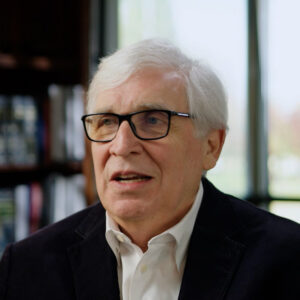 Michael Hackard is the founder of Hackard Law, a California trust and estate litigation firm with more than five decades of experience protecting the inheritance rights of families across Sacramento, the San Francisco Bay Area, and Los Angeles. He is the author of four published books on inheritance protection and has produced more than 1,000 educational videos with over seven million views.