


 (916) 313-3030
Why Experience Matters in California Estate and Trust Litigation

Why Decades of Litigation Experience Change Everything for Your Family
I’m Michael Hackard, founder of Hackard Law. Over five decades of practice, I have fought for heirs, beneficiaries, and elder abuse victims whose families faced some of the most painful disputes imaginable – contested trusts, inheritance theft, trustee misconduct, and financial exploitation. I have written four published books on inheritance protection, and our team has produced more than 1,000 educational videos that have reached over seven million viewers. That body of work reflects a simple conviction: families deserve attorneys who have actually lived through these cases, not just read about them.
Clients from all throughout California, including Sacramento, the San Francisco Bay Area, and Los Angeles, are served by Hackard Law. We bring a wealth of experience to every matter we take on, whether your disagreement concerns a family trust, a challenged will, or a trustee who stopped communicating.
Hackard Law provides contingency fee representation for qualified cases – no upfront costs to you. To speak with our team, call (916) 313-3030.
Quick Summary
Experience is not a credential on a wall – it is the foundation of sound legal judgment in estate and trust disputes. Families navigating California probate courts deserve counsel who has seen these patterns before and knows how to respond.
- Good judgment in litigation is built through years of handling real cases, not just legal theory.
- Estate and trust disputes involve emotional, financial, and legal complexity that rewards seasoned counsel.
- Hackard Law has spent decades representing beneficiaries and heirs across California in high-stakes inheritance matters.
- Contingency fee representation means qualified clients can access experienced legal help without paying upfront.
- Calling early – before a dispute hardens – often produces the best outcomes for families.
The August Killing Season: What Medicine Teaches Law
In medical training, there is a phenomenon sometimes called the “August killing season” in the United Kingdom literature. Each year, new interns fresh from medical school flood teaching hospitals at the same moment more senior trainees move up. Everyone is at their least experienced, and patient outcomes can suffer. The lesson is not that new physicians are careless – it is that inexperience carries real costs, and those costs are borne by real people.
The legal field does not use that phrase, but the underlying truth applies. When a family faces a contested trust or a trustee who is mismanaging assets, the stakes are just as high. A misstep in the early stages of litigation – a missed deadline, a poorly framed petition, a failure to preserve evidence – can permanently damage a case. Understanding the eight stages of trust and estate litigation before you enter them is the difference between a coordinated strategy and a reactive scramble.
Experience does not guarantee a perfect outcome. But it dramatically narrows the margin for avoidable error.
Good Judgment Comes From Experience – and Experience Takes Time
There is an old adage worth repeating: good judgment comes from experience, and experience comes from bad judgment. Every attorney who has litigated estate disputes for decades has a mental library of cases where something unexpected happened – a witness changed their story, a document surfaced late, a trustee concealed assets in ways that required forensic tracing. That library is not available to attorneys in their first years of practice, no matter how talented they are.
At Hackard Law, we have spent years building that library. We have handled some of the most common probate and trust battles in California courts – from trustee removal to contested wills to undue influence claims – and we bring that accumulated judgment to every new matter.
Case Pattern: The sole trustee, a family member, ceased providing accountings and began transferring trust assets to himself. Counsel quickly filed a petition to compel accounting after spotting this trend early on, safeguarding the evidentiary record. Ultimately, the beneficiaries got their assets back, and the trustee was fired.
For California beneficiaries dealing with a trustee who has gone silent or is delaying distributions, understanding your rights is the first step. Families can learn more about what beneficiaries can do when a trustee delays distributions without cause – and why acting early matters.
Loving Your Work: The Warren Buffett Principle Applied to Litigation
Warren Buffett has said that you should take a job you love so much that you would do it even if you were already wealthy. The idea is that genuine passion produces genuine mastery. I have lived by that principle in my own career. Estate and trust litigation is not a field I fell into reluctantly. It is a field I chose because the work matters – to real families, in real moments of crisis.
That commitment is evident in how we prepare cases. We do not handle trust disputes like regular paperwork. We approach them as conflicts that call for patience, strategy, and a readiness to pursue every legal option. We approach every case with the same fervor, whether it is headed for mediation or a full courtroom hearing.
For clients in Sacramento, our Sacramento estate lawyer page outlines the range of disputes we handle in that region. For clients in the Bay Area, our Santa Clara will and trust contest practice reflects the same depth of commitment.
Case Pattern: Within weeks of their parent’s passing, an adult child learned that a sibling had been appointed sole trustee and had started liquidating real estate. The sale was stopped, and a temporary restraining order was requested because the family promptly contacted legal counsel. A contested hearing on the removal of the trustee was held in this case.
What Trustee Accountability Looks Like in Practice
One of the most common disputes Hackard Law handles involves trustees who fail to account for their actions. California law requires trustees to keep beneficiaries reasonably informed and to provide accountings on request. When trustees ignore those obligations, beneficiaries have legal tools available – including petitions to compel accounting and, where appropriate, removal proceedings.
Understanding what happens when requests for an accounting fail is essential for any beneficiary who suspects something is wrong. Delay in these situations often works in the trustee’s favor, allowing assets to be moved or dissipated before litigation can catch up.
Contingency fee representation impacts this dynamic. When clients do not have to pay hourly fees to pursue their rights, they can act earlier and more decisively. Our contingency fee model is designed to give heirs, beneficiaries, and elder abuse victims access to experienced counsel without the financial barrier that often delays justice.
For Decades, I Have Stood With Families
I have witnessed the consequences of families waiting too long to make a call. The cost increases. Frequently, the fracture is too deep for any judgment to heal. Documents disappear. Witnesses become harder to find. The window for effective legal action shrinks with each passing month.
In addition to being legal tactics, discovery, forensic analysis, and the pursuit of justice serve as protections for families threatened by inheritance fraud, trustee misconduct, and undue influence. What dishonesty attempted to steal is restored by an unwavering dedication to the truth. Experience is important because of this. As a lived ability to defend those who are most in need, rather than as a qualification.
For California beneficiaries who are just beginning to understand their situation, learning five essential things every trust beneficiary should know is a strong starting point.
Key Definitions
- Trustee: The person or institution appointed to manage a trust’s assets for the benefit of the beneficiaries.
- Beneficiary: A person entitled to receive distributions or benefits from a trust or estate.
- Contingency fee: A fee arrangement where the attorney is paid only if the client recovers money, with no upfront cost to the client.
- Accounting: A formal report a trustee must provide showing all trust assets, income, expenses, and distributions.
- Petition to compel accounting: A court filing that forces a trustee to produce an accounting when they have refused or failed to do so.
- Undue influence: Improper pressure exerted on a person that overrides their free will in making estate planning decisions.
- Trustee removal: A court-ordered process by which a trustee is replaced due to breach of duty, misconduct, or incapacity.
- Trust contest: A legal challenge to the validity of a trust, often based on lack of capacity or undue influence.
- Probate: The court-supervised process of administering a deceased person’s estate when assets pass outside of a trust.
- Fiduciary duty: The legal obligation of a trustee to act in the best interests of the beneficiaries at all times.
What to Do Next
- Look for early warning signs: a trustee who stops communicating, delays distributions, or refuses to provide accountings.
- Get copies of the trust document and any amendments as soon as possible after a loved one’s death.
- Try to avoid confronting a suspected bad actor directly before speaking with an attorney – it can complicate your legal position.
- Write down a timeline of events, conversations, and financial changes you have observed, with dates where possible.
- Look for any recent changes to the trust or will that seem inconsistent with your loved one’s long-held wishes.
- Try to avoid signing any documents presented by a trustee or co-beneficiary without independent legal review.
- Reach out to an attorney early – before the dispute hardens into something harder to resolve.
- Call Hackard Law at (916) 313-3030 to discuss your situation with our team.
- Visit our contact page to request a free consultation and learn whether your case qualifies for contingency fee representation.
CALL THE SAGE | When Experience Matters, Families Listen
🏛️ We practice California trust & estate & elder financial abuse litigation
⚖️ We represent heirs, beneficiaries, and elder abuse victims
🎥 1,000+ educational videos | 7 million+ views | 4 published books
🎯 “After thousands of cases, I see the pattern others miss.”
CONTINGENCY REPRESENTATION – No Win, No Fee
Throughout California: Sacramento | Los Angeles | Bay Area
📞 CALL THE SAGE: (916) 313-3030
Subscribe for weekly insights on:
- Elder financial abuse warning signs and prevention
- Trust and estate litigation strategies
- Inheritance protection for California families
- Family protection strategies
When your inheritance is under attack, Call The Sage.
Hackard Law | 10640 Mather Blvd, Mather CA 95655
Attorney Advertisement | Michael Hackard, State Bar #71067
RELATED VIDEOS
Introducing the Sage | Veteran California Estate & Trust Litigation Attorney Michael Hackard
Michael Hackard shares his decades of experience handling California estate and trust disputes.
Mountain View Contingency Trust Litigation Attorney | High-Stakes Experience
Explains how contingency fee representation works for high-stakes California trust litigation cases.
San Francisco Trust and Estate Litigation Timing Is Critical Hackard Law
Why acting quickly at the start of a trust or estate dispute can protect your family.
The 3 Biggest Risks to Family Wealth | CA Estate & Trust Litigation
Identifies the three most serious threats families face in California estate and trust disputes.
Our Job is to Protect Your Family | Estate & Trust Litigation Attorneys
An overview of how experienced attorneys fight to safeguard heirs and beneficiaries in estate battles.
Top 10 Types of Estate Battles | CA Probate & Trust Litigation
Walks through the most common categories of contested estate and trust disputes in California.
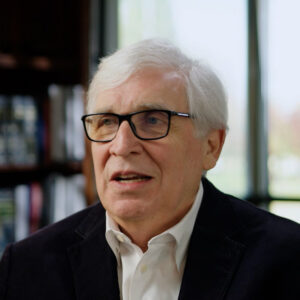 Michael Hackard is the founder of Hackard Law, a California trust and estate litigation firm with more than five decades of experience protecting the inheritance rights of families across Sacramento, the San Francisco Bay Area, and Los Angeles. He is the author of four published books on inheritance protection and has produced more than 1,000 educational videos with over seven million views.