I am Michael Hackard, founder of Hackard Law, and I have spent five decades fighting for heirs, beneficiaries, and elder abuse victims across California. Over that time, I have authored four published books on inheritance protection – including The Wolf at the Door, which takes its name from a truth that most families learn too late: the threat to a vulnerable elder is rarely a stranger. It is someone already inside the house. I have produced more than 1,000 educational videos that have reached over seven million viewers, because I believe that informed families are harder to victimize. Hackard Law serves clients throughout the San Francisco Bay Area, Santa Clara County, Oakland, and across Northern and Southern California. If your family is facing elder financial abuse, a suspicious change to a trust or will, or a caregiver who has inserted themselves into an inheritance, I want you to understand what you are up against – and what the law can do about it.
Hackard Law provides contingency fee representation for qualified elder financial abuse and estate litigation cases, meaning there are no upfront legal costs to you. Call us today at (916) 313-3030 to discuss your situation.
Quick Summary
Elder financial abuse is one of the most damaging and underreported crimes in California, often carried out by the very people trusted to provide care. California law provides strong protections – including double damages and attorney fee recovery – for victims and their families.
California defines an elder as any person 65 years of age or older.
Abusers are often family members, caregivers, or trusted advisors who are skilled at taking advantage of vulnerability.
Changes to wills or trusts made on the deathbed, separation from family, and last-minute property transfers are common strategies.
California’s laws regarding elder financial abuse allow for civil remedies, including double damages and attorneys’ fees.
Early legal action can prevent transfers and protect assets before they are lost forever.
Why the Wolf Is Already Inside
The title of my book is not a metaphor chosen for drama. It reflects something I have observed throughout my career: the people most likely to financially exploit an elder are the ones already in the room. Family members, paid caregivers, neighbors who become confidants – these individuals know the elder’s routines, fears, and pressure points. They know which buttons to push.
California defines an elder as someone 65 years of age or older. That definition matters because the state’s elder financial abuse statutes attach significant legal consequences to exploitation of this population. The legislature has built a statutory framework designed not just to punish abuse after the fact, but to deter it. When families understand that framework, they are better positioned to act before assets disappear.
Of all the forms elder financial abuse takes, caregiver exploitation is among the most insidious. A caregiver gains access to the elder’s home, daily life, and emotional world. Over time, that access becomes control. The caregiver may begin limiting phone calls, discouraging visits from family, and positioning themselves as the elder’s sole confidant and protector.
This isolation is not accidental. It is a method. Once the elder is cut off from family and outside perspective, the caregiver is in a position to suggest changes to estate documents, to receive gifts, or to have property transferred – sometimes days or hours before the elder’s death.
Case Pattern: Caregiver Isolation and Last-Minute Property Transfer
A family in the Bay Area noticed that their elderly relative had stopped returning calls. When they attempted to visit, the caregiver turned them away. After the elder passed, the family learned that the caregiver had been named the sole beneficiary of a valuable San Francisco property – a change made in the final weeks of the elder’s life. Litigation focused on the isolation tactics, the timing of the transfer, and evidence of the elder’s diminished capacity. The pattern of control was central to the legal theory.
For families dealing with similar situations, understanding real estate battles in trust litigation can clarify what legal tools are available when property has been wrongfully transferred.
Deathbed Changes and the Race to Transfer Property
One of the most troubling patterns in elder financial abuse cases is the deathbed change – a last-minute amendment to a will or trust that redirects assets away from the intended heirs. Sometimes, those carrying out the abuse are not satisfied with a document change alone. They push to have property physically transferred before the elder dies, creating a fait accompli that is harder to unwind.
These transfers are not always irreversible. California law provides mechanisms to challenge transfers made under undue influence, fraud, or when the elder lacked the mental capacity to make a valid legal decision. The key is acting quickly. Once assets move, recovering them requires litigation – and delay makes that harder.
Case Pattern: Will and Trust Changes in Final Days
In a Northern California case, an adult child discovered after a parent’s death that the trust had been amended three times in the final six months of the parent’s life – each amendment reducing the shares of the other children and increasing the share of the child who had taken over as primary caregiver. Medical records showed a significant cognitive decline during the same period. The litigation centered on capacity and undue influence, and the timing of the amendments was treated as strong circumstantial evidence.
What California Law Provides for Victims and Families
California has one of the most robust elder financial abuse statutory frameworks in the country. When abuse is proven, the law does not simply restore what was taken – it can impose double damages and require the abuser to pay the victim’s attorney fees. This is a significant departure from ordinary civil litigation, where each side typically bears its own legal costs.
These remedies exist because the legislature recognized that elder financial abuse causes harm that goes beyond the dollar amount of what was stolen. The financial toll grows long after the initial transfer, as heirs, beneficiaries, and elder abuse victims are left to fund litigation out of their own pockets while the abuser sits on stolen assets. The double damages provision shifts that equation.
Why Video and Public Education Changed This Practice
For years, I watched families arrive at my office after the damage was done – after the property had transferred, after the trust had been amended, after the elder had died. The legal remedies were still available, but the fight was harder and the emotional cost was higher. That frustration pushed me toward a different approach.
I began producing educational videos to reach families before they needed a lawyer. The goal was simple: if people understood what elder financial abuse looked like, they might recognize it in time to act. More than 1,000 videos and seven million views later, I believe that education is one of the most powerful tools in this fight. Discovery, forensic analysis, and the pursuit of justice – these are not just legal strategies, but safeguards for families threatened by undue influence and fraud.
For decades, I have stood with families who felt powerless in the face of a system they did not understand. I have seen the fracture that runs through a family when one member steals what another was promised. That fracture often runs too deep for any judgment to mend. But a steadfast commitment to truth restores what dishonesty tried to steal – and that is worth fighting for.
Elder: Under California law, any person who is 65 years of age or older.
Elder financial abuse: The taking, secreting, appropriating, obtaining, or retaining of an elder’s real or personal property for a wrongful use or with intent to defraud.
Undue influence: Excessive persuasion that overcomes a person’s free will, causing them to act in a way they would not have otherwise chosen.
Deathbed change: An amendment to a will, trust, or beneficiary designation made in the final days or weeks of a person’s life, often challenged on capacity or undue influence grounds.
Isolation tactic: A deliberate effort by an abuser to cut off the elder from family, friends, or advisors, creating conditions for financial exploitation.
Double damages: A civil remedy available under California’s elder abuse statutes that allows courts to award twice the actual damages proven.
Capacity: The legal and cognitive ability to understand the nature and consequences of a legal decision, such as signing a trust amendment or deed.
Contingency fee: A fee arrangement in which the attorney is paid only if the case is won or settled, with no upfront cost to the client.
Trustee: A person or institution responsible for managing trust assets according to the trust document and California law.
Asset recovery: The legal process of reclaiming property or funds that were wrongfully transferred away from an elder or their estate.
What to Do Next
Look for signs of isolation – if a family member is being kept from contact with an elder, treat that as a warning sign requiring immediate attention.
Get copies of any recent changes to wills, trusts, or beneficiary designations as soon as possible.
Look for any deeds or property transfers recorded in the months before the elder’s death.
Try to avoid confronting the suspected abuser directly before speaking with an attorney, as that can complicate litigation.
Document what you observe – dates, conversations, changes in the elder’s behavior or access.
Look into California’s elder financial abuse statutes, which provide civil remedies beyond what ordinary fraud claims allow.
Explains how contingency fee arrangements make elder abuse litigation accessible to families.
Frequently Asked Questions
Changes made in the final days or weeks of a person’s life are vulnerable when there is evidence that the person lacked mental capacity or was under undue influence at the time of signing. Courts look at medical records, the circumstances surrounding the change, and whether the person who benefited was in a position of trust or control over the elder.
California law places significant restrictions on donative transfers to care custodians of dependent adults. If a caregiver is named as a beneficiary in a document signed during the caregiving relationship, that transfer is presumed to be the product of undue influence unless rebutted by clear and convincing evidence. Litigation in these cases often focuses on that presumption.
Time is critical. Assets can be moved, accounts drained, and property transferred quickly once an elder is isolated. California law does provide statutes of limitations for elder financial abuse claims, and delay can complicate asset recovery. Contacting an attorney as soon as you recognize the warning signs gives you the best chance of preserving what remains.
California’s elder financial abuse statutes allow for recovery of the stolen assets, double damages in cases involving recklessness or oppression, and attorney fee awards against the abuser. These remedies go beyond what ordinary fraud or conversion claims provide, and they reflect the legislature’s recognition that elder abuse causes harm that standard civil damages do not fully address.
Yes. Hackard Law handles elder financial abuse and estate litigation matters throughout the San Francisco Bay Area, including Santa Clara County, Oakland, and surrounding communities. The firm takes qualified cases on a contingency fee basis, meaning clients pay no upfront legal fees.
About the Author
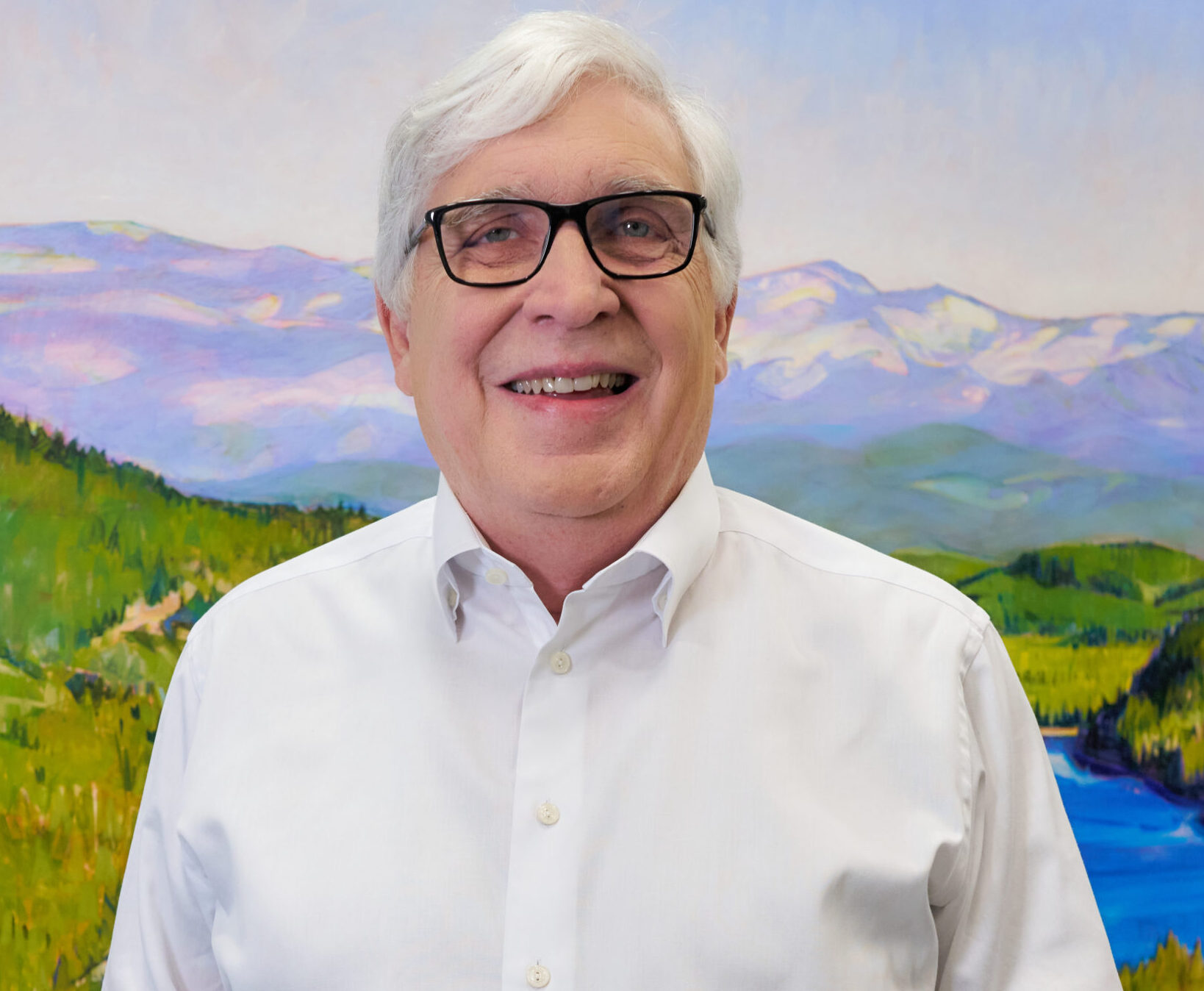
Michael Hackard is the founder of Hackard Law, a California trust and estate litigation firm with more than five decades of experience protecting the inheritance rights of families across Sacramento, the San Francisco Bay Area, and Los Angeles. He is the author of four published books on inheritance protection and has produced more than 1,000 educational videos with over seven million views.


 (916) 313-3030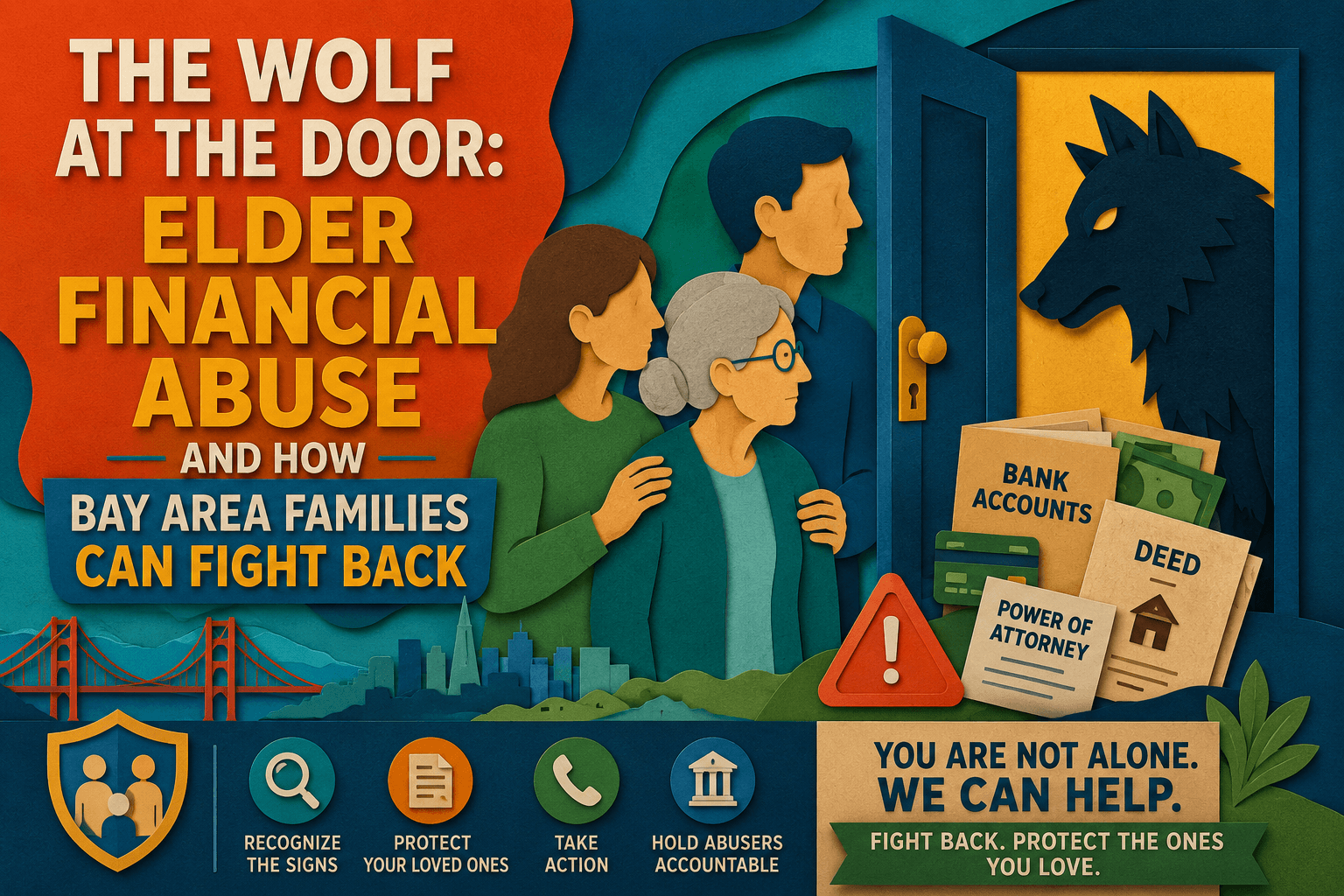
 Michael Hackard is the founder of Hackard Law, a California trust and estate litigation firm with more than five decades of experience protecting the inheritance rights of families across Sacramento, the San Francisco Bay Area, and Los Angeles. He is the author of four published books on inheritance protection and has produced more than 1,000 educational videos with over seven million views.