


 (916) 313-3030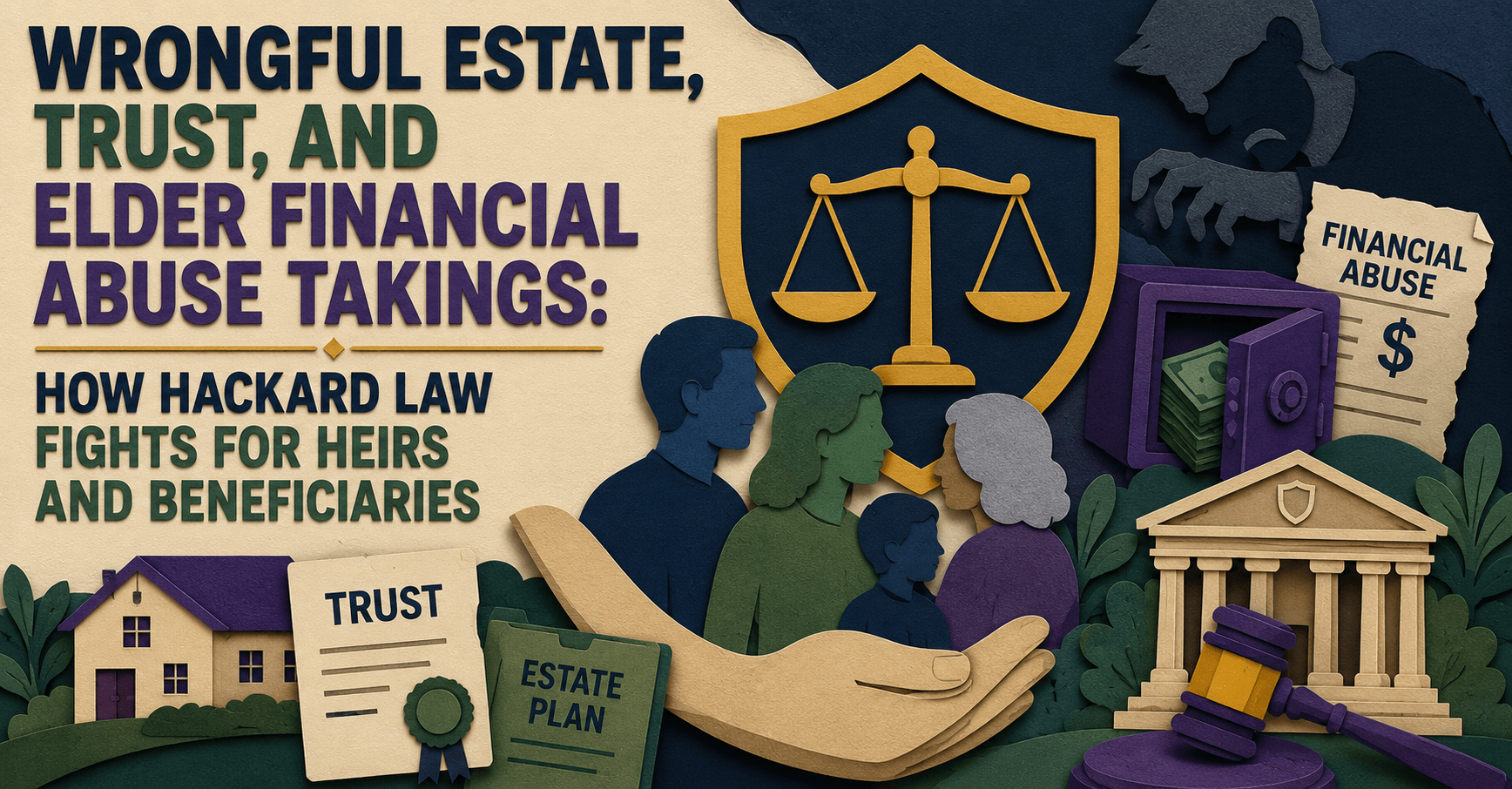
Wrongful Estate, Trust, and Elder Financial Abuse Takings: How Hackard Law Fights for Heirs and Beneficiaries

Who We Are and Why It Matters
I’m Michael Hackard, founder of Hackard Law. Over five decades of practice, I have fought alongside heirs, beneficiaries, and elder abuse victims at some of the most painful moments of their lives. I have written four published books on inheritance protection and produced more than 1,000 educational videos that have reached over seven million viewers. My firm serves clients across California – from Sacramento and the San Francisco Bay Area to Los Angeles – and we bring the same intensity to every case, no matter where it is filed.
Cases of improper takings involving estates, trusts, and elders’ finances can be committed within a few days. A forged document, a coerced signature, a caregiver who slowly assumes control – these acts are swift. But the impact on a family, the loss of income, assets, and the legacy a loved one worked a lifetime to build, can last far longer. Our job is to make sure that justice compensates your family for its losses and protects everyone from further harm.
Hackard Law provides contingency fee representation for qualified cases – no upfront costs to you. Call us today at (916) 313-3030 to discuss your situation.
Quick Summary
Estate theft, trust abuse, and elder financial exploitation are serious legal wrongs that California law is designed to address. Hackard Law pursues these cases on a contingency fee basis, standing firmly on the side of heirs, beneficiaries, and elder abuse victims.
- Wrongful takings from estates and trusts can occur through forgery, undue influence, or outright theft.
- Elder financial abuse often involves caregivers, family members, or trusted advisors who exploit a vulnerable person’s dependence.
- California law provides strong remedies, including double damages and attorney fee recovery in elder abuse cases.
- Acting quickly matters – evidence can disappear, and statutes of limitations are strict
- Hackard Law takes qualified cases on contingency, meaning no fees unless we recover for you.
How Wrongful Estate and Trust Takings Happen
Most families do not expect betrayal from within. Yet the most common source of estate and trust theft is someone the deceased trusted – a child, a sibling, a caregiver, or a close friend. These individuals often gain access to financial accounts, real property, or the estate planning process itself, and they use that access to redirect assets away from the rightful heirs and beneficiaries.
Deeds that have been forged, last-minute changes to the trust, and transfers made just prior to death are among the most common examples seen by Hackard Law in court cases. Often, the individual behind the theft of assets has been preparing for it for months or even years.
Understanding the most common probate, trust, and estate battles can help families recognize warning signs before an estate is fully depleted.
Case Pattern: Isolation and Last-Minute Changes
One such pattern that occurs is where an adult child moves into the parent’s house when they fall ill, slowly cutting himself or herself off from other siblings, and suddenly becomes the only beneficiary to a trust that has been modified just a few weeks before the parent’s death. The trust, previously had equal assets for all.
Elder Financial Exploitation: A Quiet Crisis
Elder financial exploitation is one of the fastest-growing forms of abuse in California. It does not always look like theft. It can look like generosity – a senior who suddenly begins gifting large sums, adding someone to a bank account, or changing a power of attorney. The manipulation is often invisible to outsiders until the damage is done.
California’s Elder Abuse and Dependent Adult Civil Protection Act gives courts the authority to award double damages and attorney fees when financial abuse is proven. This is a powerful tool, and Hackard Law uses it aggressively on behalf of clients. You can learn more about these remedies through our page on civil remedies for elder financial abuse, including double damages and asset recovery.
These problems create environments that a predator can use. The caregiver that controls medications, transportation, and communication for someone who cannot take care of themselves has a lot of control. When this control is used to gain money, there can be some terrible consequences. Our resource on elder financial exploitation outlines how these patterns develop and what families can do.
Case Pattern: Caregiver Financial Control
In a pattern seen in Northern California cases, a non-family caregiver became the primary companion of an elderly widower with early-stage dementia. Within eighteen months, the caregiver had been added to bank accounts, named as a trust beneficiary, and given a power of attorney. After the man’s death, his adult children brought suit. Forensic accounting revealed hundreds of thousands of dollars in transfers. The case settled with a substantial recovery for the family.
The Power of Attorney as a Legal Weapon
A durable power of attorney is one of the most important documents in estate planning – and one of the most dangerous when misused. This grants an agent full discretion to act on behalf of the principal, such as managing financial matters, selling property, and giving gifts. When the person holding that authority acts in their own interest rather than the principal’s, it becomes a vehicle for exploitation.
Hackard Law has litigated numerous cases where a power of attorney was used to drain accounts, transfer real estate, or redirect investments away from the rightful heirs. California law imposes strict fiduciary duties on agents, and breaches can give rise to both civil liability and elder abuse claims. Our detailed guide on when a power of attorney becomes a weapon walks through how California families can fight back.
Early intervention is critical. The longer a wrongful transfer goes unchallenged, the harder it becomes to recover assets. Our page on early legal intervention in estate transfers involving elder financial abuse explains why timing matters so much in these cases.
Trustee Accountability and Beneficiary Rights
Beneficiaries have legal rights, and trustees have legal obligations. When a trustee delays distributions without cause, withholds accountings, or uses trust assets for personal benefit, beneficiaries have the right to act. California courts take trustee misconduct seriously, and Hackard Law has the litigation record to hold bad actors accountable.
If a trustee is refusing to provide a proper accounting, that alone can be grounds for court intervention. Our resource on trustee accountability when requests for an accounting fail explains the legal steps available to beneficiaries. Similarly, when a trustee delays distributions without a legitimate reason, California beneficiaries have clear options to compel compliance.
For families in the Los Angeles area navigating these disputes, our overview of trust litigation contingency options in LA provides additional context on how cases are handled in Southern California courts.
Key Definitions
- Undue influence: Pressure or manipulation that overrides a person’s free will in making estate planning decisions, often used to challenge trust amendments or wills.
- Elder financial abuse: The wrongful taking, concealment, or misuse of an elder’s money or property, often by someone in a position of trust.
- Power of attorney: A legal document granting one person authority to act on behalf of another in financial or legal matters.
- Fiduciary duty: The legal obligation of a trustee, agent, or executor to act solely in the best interests of the beneficiaries or principal.
- Contingency fee: A fee arrangement where the attorney is paid only if the case results in a recovery – no upfront cost to the client.
- Double damages: A remedy available under California’s elder abuse statute that allows courts to award twice the actual damages when financial abuse is proven.
- Trust amendment: A change made to an existing trust document, which can be challenged if made under undue influence or when the settlor lacked capacity.
- Probate litigation: Court proceedings to resolve disputes over wills, trusts, estates, or the conduct of trustees and executors.
- Forensic accounting: The use of financial analysis to trace, document, and prove wrongful transfers or misappropriation of assets.
- Statute of limitations: The legal deadline for filing a lawsuit, which varies by claim type and can be as short as one year in some elder abuse matters.
What to Do Next
- Look for signs of isolation – if a loved one has been cut off from family or friends, that is a warning sign worth investigating immediately.
- Get copies of any trust, will, or power of attorney documents you have access to, and note when they were last changed.
- Try to avoid confronting the suspected person directly before speaking with an attorney, as this can cause assets to be moved or destroyed.
- Look for unusual financial activity such as large gifts, new joint account holders, or changes to beneficiary designations.
- Get a timeline together – dates of diagnosis, dates of document changes, and dates of financial transfers all matter in litigation.
- Try to avoid waiting too long to act, since statutes of limitations can cut off your rights even when the harm is obvious.
- Learn about guarding against elder financial abuse through trust litigation to understand how the legal process works.
- Reach out to Hackard Law’s Sacramento elder financial abuse practice if you are in Northern California, or explore Oakland estate litigation resources if you are in the East Bay.
- Call Hackard Law at (916) 313-3030 to speak with our team about your case.
- Reach us through our contact page to book a free consultation.
CALL THE SAGE | When Experience Matters, Families Listen
🏛️ We practice California trust & estate & elder financial abuse litigation
⚖️ We represent heirs, beneficiaries, and elder abuse victims
🎥 1,000+ educational videos | 7 million+ views | 4 published books
🎯 “After thousands of cases, I see the pattern others miss.”
CONTINGENCY REPRESENTATION – No Win, No Fee
Throughout California: Sacramento | Los Angeles | Bay Area
📞 CALL THE SAGE: (916) 313-3030
Subscribe for weekly insights on:
- Elder financial abuse warning signs and prevention
- Trust and estate litigation strategies
- Inheritance protection for California families
- Family protection strategies
When your inheritance is under attack, Call The Sage.
Hackard Law | 10640 Mather Blvd, Mather CA 95655
Attorney Advertisement | Michael Hackard, State Bar #71067
RELATED VIDEOS
Elder Financial Abuse | California Estate & Trust Litigation
An overview of elder financial abuse and how California litigation can help victims.
Establishing Undue Influence & Elder Financial Abuse | CA Trust Litigation
Explains how attorneys prove undue influence and financial abuse in trust disputes.
Estate Theft: Legal Remedies to Protect Your Family’s Inheritance
Walks through the legal options available when someone steals from an estate.
Common Signs of Elder Financial Abuse | Estate & Trust Lawsuits
Identifies the warning signs that a vulnerable elder is being financially exploited.
Estate, Trust & Elder Financial Abuse Lawsuits | Civil Prosecution
Covers how civil prosecution works in estate, trust, and elder abuse cases.
When to Hire a Trust & Estate Litigator After Abuse or Disinheritance | ASAP
Discusses why acting quickly to hire a litigator is critical after suspected abuse.
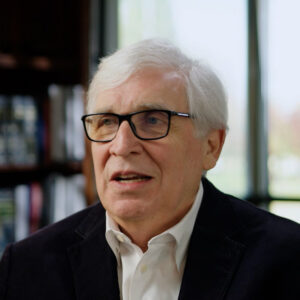 Michael Hackard is the founder of Hackard Law, a California trust and estate litigation firm with more than five decades of experience protecting the inheritance rights of families across Sacramento, the San Francisco Bay Area, and Los Angeles. He is the author of six published books on inheritance protection and has produced more than 1,000 educational videos with over seven million views.