


 (916) 313-3030

Do You Have Standing to Challenge a Trust in California? What Beneficiaries Must Know
Why Standing Is the First Question in Any Trust Dispute
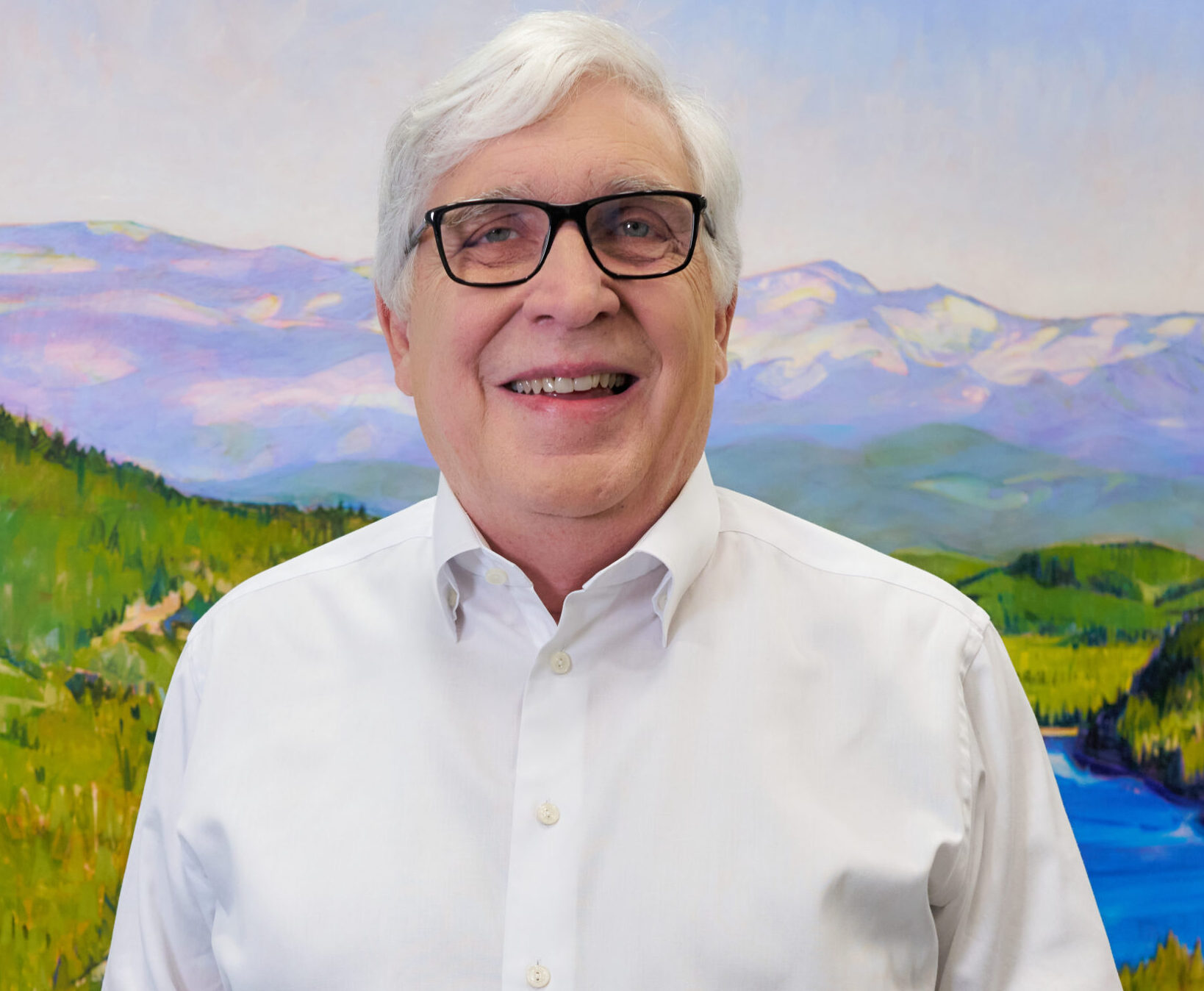
I am Michael Hackard, founder of Hackard Law, and over my five decades of practice, I have fought for heirs, beneficiaries, and elder abuse victims across California – from Sacramento and the San Francisco Bay Area to Los Angeles. I have authored four published books on inheritance protection and produced more than 1,000 educational videos that have reached over seven million viewers. One question comes up in nearly every initial call I receive: “Can I actually sue over this trust?” The answer turns on a concept that determines whether a case ever reaches a courtroom – legal standing.
Standing is not a technicality. It is the threshold question that separates people who can pursue a trust dispute from those who cannot, no matter how strong their moral claim may feel. Before I can advise anyone on strategy, I have to know whether they hold a beneficial interest in the trust at issue. Without that interest, a court will not hear the case.
Hackard Law provides contingency fee representation for qualified trust and estate cases – no upfront costs required. To find out whether your situation qualifies, call us at (916) 313-3030.
Quick Summary
Legal standing is the right to bring a lawsuit and in California trust litigation it often requires a beneficial interest in the trust. Not every family member who thinks a trust is unfair is entitled to challenge it in court.
- Standing requires a direct beneficial interest in the trust or its assets
- Trustees, current beneficiaries, and some would-be beneficiaries typically have standing
- Surviving siblings, former spouses, nieces, and nephews may lack standing depending on the trust’s terms
- Exceptions to standing rules exist, and only an attorney who regularly litigates trusts can evaluate them
- Acting quickly matters because trust disputes are governed by strict deadlines
What Legal Standing Means in Trust Litigation
In California trust law, standing refers to a person’s legal right to bring a claim before a court. It is not enough to feel that a trust was unfair or that a trustee acted badly. A person must have a recognized legal interest – typically a beneficial interest in the trust – before a judge will consider the merits of the case.
Scott and Asher on Trusts, the preeminent American authority on trust law, treat this subject with accuracy. I have that set of eight volumes at my desk for ready reference. The doctrine is clear that standing is a threshold issue, something courts look at first and before anything else. If a claim cannot get beyond this obstacle it is dismissed regardless of any underlying validity.
For trust beneficiaries in California, this means that the first conversation with an attorney should focus on establishing whether a beneficial interest exists. That interest can arise from being named in the trust document, from being a legal heir who would inherit under intestate succession if the trust were set aside, or from other recognized legal relationships to the trust estate. You can learn more about how to choose the right probate lawyer for your situation before making that first call.
Who Typically Has Standing – and Who May Not
Trust challenges most often arise from two sources: the conduct of an existing trustee, or the actions of someone who unduly influenced the person who created the trust. In either situation, the people who can sue are those with a stake in the outcome.
Current beneficiaries named in the trust almost always have standing. Remainder beneficiaries – those who receive assets after a prior beneficiary’s interest ends – generally have standing as well. Omitted heirs who would have inherited under California’s intestate succession laws if no valid trust existed may also qualify.
The picture becomes more complicated for other family members. A surviving sibling, a former spouse, a niece, or a nephew may feel deeply wronged by what a trust does or does not provide for them. But if they hold no beneficial interest under the trust’s terms and no claim as an intestate heir, they may lack the standing to bring a lawsuit. Courts are firm on this point. Emotion and family relationship alone are not substitutes for legal interest.
Case Pattern: A caller described a situation in which an elderly parent’s trust was amended late in life to remove two adult children and leave everything to a caregiver. The adult children, as prior beneficiaries of an earlier trust version, had standing to challenge the amendment on grounds of undue influence. The outcome theme in cases like this is that documented changes in testamentary capacity and isolation of the elder can support a viable claim – but only by those with a recognized interest in the estate.
Hackard Law litigates trust disputes across California, including Sacramento County probate matters, Alameda County estate litigation, and Los Angeles estate disputes.
Exceptions That Can Expand Who Has Standing
California trust law does provide for exclusions that can extend standing beyond the obvious groups. A creditor of the trust may have standing in some circumstances. Third party guaranteed an inheritance outside the trust contract may have a claim under the doctrine of promissory estoppel or constructive trust theories. An independent cause of action may exist for a person defrauded out of an inheritance, even without an immediate beneficial interest.
These exceptions are narrow, and courts apply them carefully. That is precisely why Michael Hackard recommends that anyone uncertain about their standing consult an attorney who litigates trust cases on a regular basis – not an estate planning attorney who rarely sees the inside of a courtroom. The analysis requires familiarity with both the statutory framework and the case law that interprets it.
If a trustee has failed to account for trust assets or has stonewalled beneficiaries seeking information, there are legal tools available. Understanding what happens when requests for a trust accounting go unanswered is an important part of knowing your rights.
Case Pattern: In a pattern that comes up in multi-beneficiary trusts, one sibling is named successor trustee and quietly transfers trust real estate to themselves at below-market value. Remaining siblings, as named beneficiaries, have standing to sue for breach of fiduciary duty and seek disgorgement of the improperly transferred property. The theme in these situations is that a trustee’s self-dealing rarely goes undetected once litigation begins and discovery opens the books.
The Role of Scott and Asher in Everyday Trust Practice
I want to say something about why I reference Scott and Asher on Trusts as often as I do. Trust law in California is not static. Courts issue new decisions, the Legislature amends the Probate Code, and the interplay between statutory rules and common law principles requires constant attention. A treatise of that depth and authority helps me stay grounded in the foundational principles that govern every case.
The practical lesson for beneficiaries and would-be beneficiaries is as follows: trust litigation is a narrow arena. You want an attorney who lives in this field of law, not one who drops in once in a while. Trust and estate litigation is the bedrock of Hackard Law’s practice and that concentration influences how we handle every call we get.
Families throughout California – from Santa Clara estate matters to Oakland estate disputes – face these questions, and the answers depend on facts that only a careful legal review can uncover.
Why Acting Quickly Matters
California also has tight deadlines for trust contests and related claims. If you miss the window, even a beneficiary with obvious standing may lose the opportunity to continue the action at all. Often the clock begins ticking on the moment a trustee gives a statutory notice to beneficiaries and heirs, and that notice period might be as little as 120 days.
For years, I’ve stood with families who came to me when something didn’t feel right: a trust that changed without explanation, a trustee who wouldn’t communicate, a sibling who suddenly controlled everything. The financial cost rises with each passing month of inaction. The rift within families is frequently too deep for any judgment to fix, but nonetheless, it matters to retrieve what was unlawfully taken. A devotion to truth recovers what dishonesty sought to steal.
Discovery, forensic analysis, and the pursuit of justice are not just legal strategies – they are safeguards for families threatened by manipulation and self-dealing. If you believe your rights as a beneficiary have been violated, do not wait.
Key Definitions
- Beneficial interest: A legal right to receive assets or income from a trust, either now or in the future.
- Standing: The legal right to bring a claim before a court, generally requiring a direct stake in the outcome.
- Trustee: The person or institution appointed to manage trust assets for the benefit of the beneficiaries.
- Successor trustee: The person who takes over trust administration after the original trustee dies, resigns, or is removed.
- Intestate succession: The legal process by which a person’s assets are distributed when they die without a valid will or trust.
- Undue influence: Improper pressure that overcomes a person’s free will and causes them to make estate planning decisions they would not otherwise have made.
- Breach of fiduciary duty: A trustee’s failure to act in the best interests of the beneficiaries as required by law.
- Trust contest: A legal action challenging the validity of a trust or a trust amendment, typically on grounds of lack of capacity or undue influence.
- Remainder beneficiary: A person who is entitled to receive trust assets after a prior beneficiary’s interest ends.
- Promissory estoppel: A legal doctrine that can create an enforceable obligation when a promise was made and reasonably relied upon, even without a formal contract.
What to Do Next
- Look for a copy of the trust document and any amendments – you may be entitled to receive one as a beneficiary.
- Get copies of any notices you have received from the trustee, including statutory notices with deadlines.
- Write down a timeline of events that concern you, including dates when the trust was changed or when the trustee’s conduct shifted.
- Try to avoid signing any documents from the trustee or other parties until you have spoken with an attorney.
- Look for financial records, bank statements, or property transfers that seem inconsistent with the trust’s stated purpose.
- Try to avoid confronting the trustee directly in ways that could complicate future litigation.
- Review the service areas page to confirm Hackard Law serves your county.
- Explore contingency fee representation as an option if upfront legal costs are a concern.
- Consider the top 10 most common probate, trust, and estate battles to see whether your situation fits a recognized pattern.
- Call Hackard Law at (916) 313-3030 for a confidential evaluation of your standing and your options.
- Visit our contact page to reach us online and tell us about your situation.
CALL THE SAGE | When Experience Matters, Families Listen
🏛️ We practice California trust & estate & elder financial abuse litigation
⚖️ We represent heirs, beneficiaries, and elder abuse victims
🎥 1,000+ educational videos | 7 million+ views | 6 published books
🎯 “After thousands of cases, I see the pattern others miss.”
CONTINGENCY REPRESENTATION – No Win, No Fee
Throughout California: Sacramento | Los Angeles | Bay Area
📞 CALL THE SAGE: (916) 313-3030
Subscribe for weekly insights on:
- Elder financial abuse warning signs and prevention
- Trust and estate litigation strategies
- Inheritance protection for California families
- Family protection strategies
When your inheritance is under attack, Call The Sage.
Hackard Law | 10640 Mather Blvd, Mather CA 95655
Attorney Advertisement | Michael Hackard, State Bar #71067
RELATED VIDEOS
Standing in California Trust & Estate Cases | The Officious Intermeddler
Explains who has legal standing to bring a trust or estate case in California.
Were You Unfairly Cut Out of a Trust? | Know Your Rights as a Disadvantaged Beneficiary
Covers the rights of beneficiaries who believe they were wrongly excluded from a trust.
Trust Beneficiaries Need to Know | Learn the Basics
Walks through the fundamental rights and protections that trust beneficiaries hold in California.
Anatomy of Trust Litigation | Protecting Beneficiaries
Breaks down how a trust litigation case is structured from start to finish.
How Long Do You Have to Contest a Will? | CA Estate Litigation
Discusses the strict deadlines that govern will and trust contests in California.
Do I Really Need a Lawyer to Challenge a Will? | Hackard Law Estate Litigation FAQ
Answers whether you need an attorney before challenging a will or trust in court.
 Michael Hackard is the founder of Hackard Law, a California trust and estate litigation firm with more than five decades of experience protecting the inheritance rights of families across Sacramento, the San Francisco Bay Area, and Los Angeles. He is the author of six published books and has produced more than 1,000 educational videos with over seven million views.