Introduction: A Trustee’s Power and a Beneficiary’s Rights
I am Michael Hackard, founder of Hackard Law. Over five decades of practice, I have fought for heirs, beneficiaries, and elder abuse victims across California – from Sacramento to the San Francisco Bay Area and Los Angeles. I have authored four published books on inheritance protection and produced more than 1,000 educational videos that have reached over seven million viewers. Trust distribution disputes are among the most emotionally charged cases I handle. When a trustee controls the money a beneficiary depends on, the stakes could not be higher. Whether the trust was designed with uncontrolled discretion or a strict ascertainable standard, the beneficiary often feels powerless – and sometimes they are right to feel that way. Understanding the type of trust you are dealing with is the first step toward protecting what is rightfully yours.
Hackard Law provides contingency fee representation – no upfront costs for qualified cases. To discuss your situation, call us today at (916) 313-3030.
Quick Summary
Trust distribution disputes arise when trustees exercise – or fail to exercise – their discretion in ways that harm beneficiaries. California law provides several trust structures that affect how much power a trustee holds and what remedies a beneficiary may pursue.
Uncontrolled discretion trusts give trustees nearly unlimited power over distributions, making abuse difficult but not impossible to challenge.
HEMS trusts limit trustee discretion to health, education, maintenance, and support, but arbitrary decisions still occur.
Five by five power trusts and unitrusts offer beneficiaries more predictable access to funds and are often used in settlement negotiations.
Mediation and court settlement conferences are common paths to resolution in trust distribution disputes.
Beneficiaries who believe a trustee has abused discretion should act promptly – delays can cost them.
Why Trust Distribution Is So Contentious
Being a trustee is genuinely difficult. A settlor entrusts someone with the financial futures of their loved ones, often after years of building wealth. But the trustee’s role puts them squarely between competing interests – the settlor’s wishes, the current beneficiary’s needs, and the remainder beneficiary’s long-term stake in the trust principal.
Feelings run particularly high when the trustee is not a family member. The bank, the trust firm, the third party who enters the family’s financial life is typically perceived as an outsider making the most intimate decisions. This tension is not unreasonable. It is a real power imbalance that the law has to deal with.
For Bay Area families navigating these disputes, understanding the structure of the trust itself is critical. The type of trust determines what a beneficiary can demand – and what a court can order. Readers facing these issues can also review five essential things California trust beneficiaries should knowbefore taking any action.
The Four Main Trust Distribution Structures
California settlors use several distinct trust structures when planning long-term distributions. Each carries different rights and risks for beneficiaries.
The uncontrolled discretion trust gives the trustee authority to distribute income or principal only as much as it chooses, with no fixed standard. A trustee operating under uncontrolled discretion can be either reckless or unreasonably tight. In either case, a beneficiary generally cannot compel a distribution unless the trustee has abused that discretion – a high legal bar, but one that can be cleared with the right evidence.
The HEMS ascertainable standard trust narrows the trustee’s discretion to distributions tied to the beneficiary’s health, education, maintenance, or support. This structure is more protective, but problems arise when trustees fail to investigate the beneficiary’s actual circumstances before making decisions. An arbitrary denial of a legitimate HEMS request can constitute a breach of fiduciary duty. Beneficiaries in Alameda County and across the East Bay dealing with trustee misconduct can find support through Alameda County estate litigation resources.
The five by five power trust gives the beneficiary a direct withdrawal right – the greater of $5,000 or 5% of the trust’s fair market value each year. This power can be customized to fit a settlor’s particular goals and is especially useful when the parties want to guarantee a minimum annual distribution regardless of trustee preferences.
The unitrust converts the trust’s distribution method to a fixed percentage – typically 3% to 5% – of the trust’s net fair market value, calculated at least annually. California law permits this conversion by consent or court order. The unitrust approach allows the trustee to invest for total return while still providing the income beneficiary with a predictable stream of funds.
Case Pattern: Trustee Stonewalling a HEMS Request
A Bay Area family contacted Hackard Law when the trustee of their elderly mother’s trust continually denied their requests for funding to pay for her assisted living expenses. The trustee had never requested documentation of her needs and had vague concerns about preserving principal. Once litigation got underway and the trustee’s failure to investigate was reduced to writing, the parties settled the matter, allowing for retroactive dividends and a modified distribution schedule going forward.
When Litigation Becomes Necessary
Trust litigation is uncertain by nature. Courts interpret trust language, weigh evidence of the settlor’s intent, and evaluate the trustee’s conduct against the applicable standard. That process takes time and money – which is why mediation and court settlement conferences resolve a significant share of these disputes before trial.
When uncontrolled discretion trusts or HEMS trusts produce genuine conflict, settlement discussions often turn to the five by five power or unitrust structures as practical solutions. Converting to a more predictable distribution model can satisfy both sides: the beneficiary gets reliable access to funds, and the trustee gains a clear framework that limits future disputes.
Michael Hackard regularly represents heirs, beneficiaries, and elder abuse victims in trust, estate, probate, and elder financial abuse litigation throughout California. Families in Santa Clara County can learn more about available options through Santa Clara estate litigation. Those in Oakland and the surrounding East Bay can explore Oakland estate litigation resources as well.
Case Pattern: Unitrust Conversion as a Settlement Tool
In one matter involving a high-value real estate trust, the income beneficiary had received almost nothing for three years while the trustee prioritized growth for remainder beneficiaries. Litigation revealed the trustee had no formal valuation process in place. The case settled with a court-approved conversion to a unitrust structure, giving the income beneficiary a defined annual distribution tied to the trust’s appraised value.
The Human Cost of Trustee Abuse
For decades, I have stood with families that came to me not with a legal problem, but with a sense of betrayal. A parent spent a lifetime constructing something—a home, a business, an investment portfolio—and left it to someone who was meant to protect it. When that trust is broken, the financial costs rise in ways that are hard to repair. The rupture is often too profound for any verdict to heal.
Discovery, forensic analysis, and the pursuit of accountability – these are not just legal strategies, but safeguards for families threatened by trustee overreach and unchecked discretion. A steadfast commitment to truth restores what dishonesty tried to steal.
Families across the Bay Area – from Alameda County to Santa Clara – deserve trustees who take their obligations seriously. When they do not, the law provides remedies. Knowing how to use those remedies starts with understanding the trust document itself and acting before time runs out. For a broader picture of the disputes that commonly arise, the top 10 most common probate, trust, and estate battles is a useful reference.
Key Definitions
Uncontrolled discretion trust: A trust in which the trustee may distribute income or principal in any amount it chooses, with no fixed standard guiding the decision.
HEMS standard: An ascertainable standard limiting trustee distributions to amounts needed for a beneficiary’s health, education, maintenance, or support.
Five by five power: A beneficiary’s right to withdraw the greater of $5,000 or 5% of the trust’s fair market value each year.
Unitrust: A trust that distributes a fixed percentage of the trust’s net fair market value annually, allowing investment for total return.
Abuse of discretion: A trustee’s failure to act reasonably within the scope of authority granted by the trust, which can be challenged in court.
Remainder beneficiary: The person or entity entitled to the trust principal after the income beneficiary’s interest ends.
Income beneficiary: The person entitled to receive income distributions from the trust during their lifetime or a defined period.
Fiduciary duty: The legal obligation of a trustee to act in the best interests of the beneficiaries, with loyalty and care.
Mediation: A confidential process in which a neutral third party helps disputing parties reach a negotiated resolution outside of court.
Trust conversion: A court-approved or consent-based change in how a trust distributes funds, such as converting from an income trust to a unitrust.
What to Do Next
Look for the specific distribution language in your trust document – it determines what standard applies to the trustee’s decisions.
Get copies of any written communications between you and the trustee regarding distribution requests.
Look for records of how the trustee has valued trust assets, especially if distributions are tied to fair market value.
Try to avoid long delays in acting – California has statutes of limitations that apply to trust claims.
Look into whether mediation has been attempted or could be proposed as a first step before litigation.
Try to avoid confronting the trustee without legal guidance, as informal exchanges can affect your legal position.
Consult a California trust litigation attorney who handles contingency fee cases so that upfront costs are not a barrier.
Addresses the rights of beneficiaries who have been wrongfully excluded from a trust.
Frequently Asked Questions
Generally, a beneficiary cannot compel a distribution unless the trustee has abused its discretion. Abuse can include acting in bad faith, failing to consider the beneficiary’s needs, or making decisions for improper reasons. Courts set a high bar, but it can be cleared with the right evidence.
A trustee who denies a HEMS request without making reasonable inquiry into the beneficiary’s actual needs may be breaching their fiduciary duty. That failure to investigate can support a legal challenge and may result in court-ordered distributions or trustee removal.
California law allows a trust to be converted to a unitrust either by the consent of all affected parties or by a court order. The conversion sets a fixed annual distribution percentage – typically 3% to 5% of the trust’s net fair market value – calculated at least once a year.
Mediation resolves a significant share of trust distribution disputes before trial. It works best when both sides understand the trust structure and the available options, such as a five by five power or unitrust conversion, that can serve as the basis for a negotiated settlement.
The five by five power gives a beneficiary a direct annual withdrawal right – the greater of $5,000 or 5% of the trust’s fair market value – regardless of the trustee’s preferences. It provides a guaranteed minimum distribution and reduces the beneficiary’s dependence on trustee discretion.
About the Author
Michael Hackard is the founder of Hackard Law, a California trust and estate litigation firm with more than five decades of experience protecting the inheritance rights of families across Sacramento, the San Francisco Bay Area, and Los Angeles. He is the author of six published books and has produced more than 1,000 educational videos with over seven million views.


 (916) 313-3030

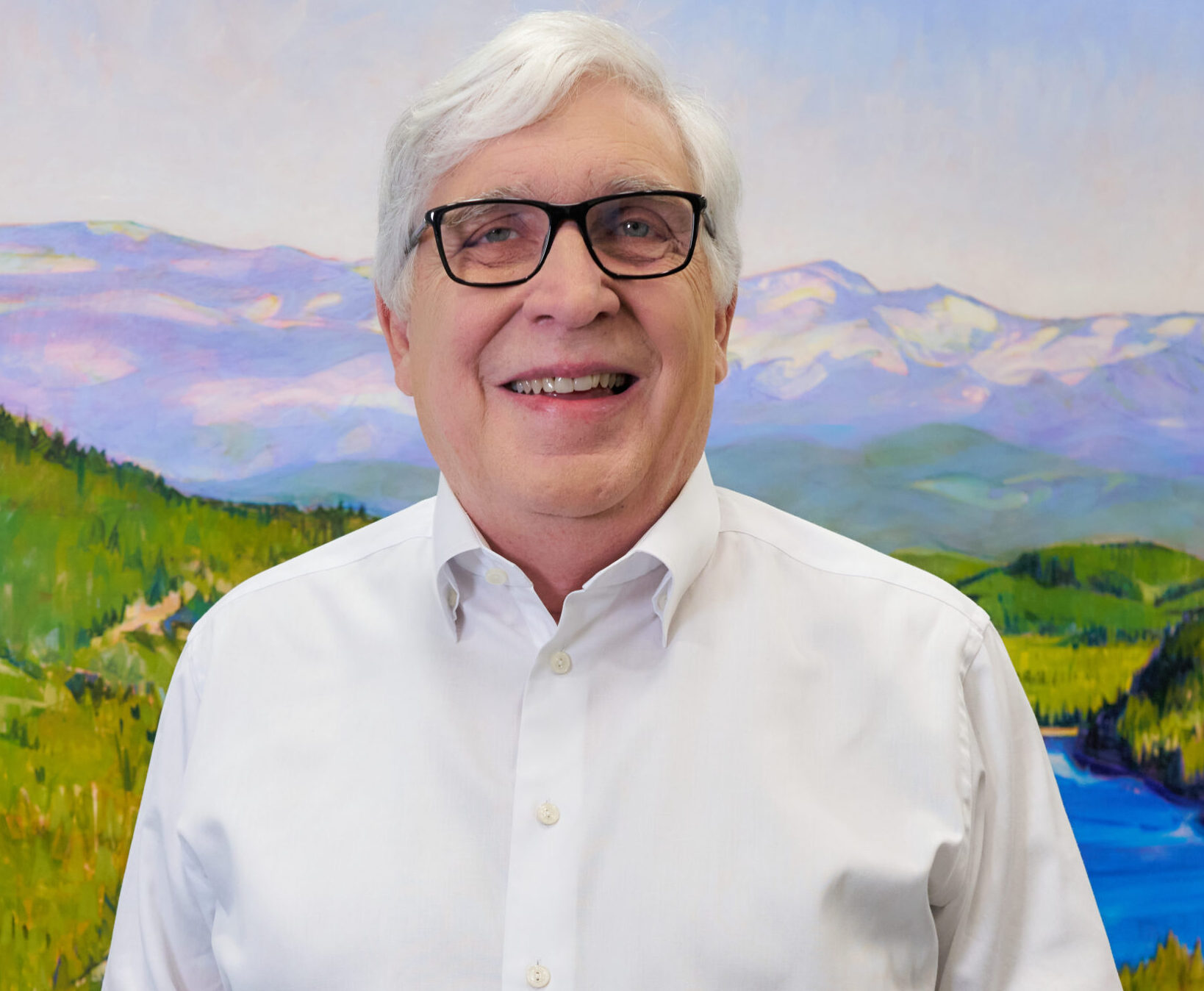
 Michael Hackard is the founder of Hackard Law, a California trust and estate litigation firm with more than five decades of experience protecting the inheritance rights of families across Sacramento, the San Francisco Bay Area, and Los Angeles. He is the author of six published books and has produced more than 1,000 educational videos with over seven million views.