


 (916) 313-3030
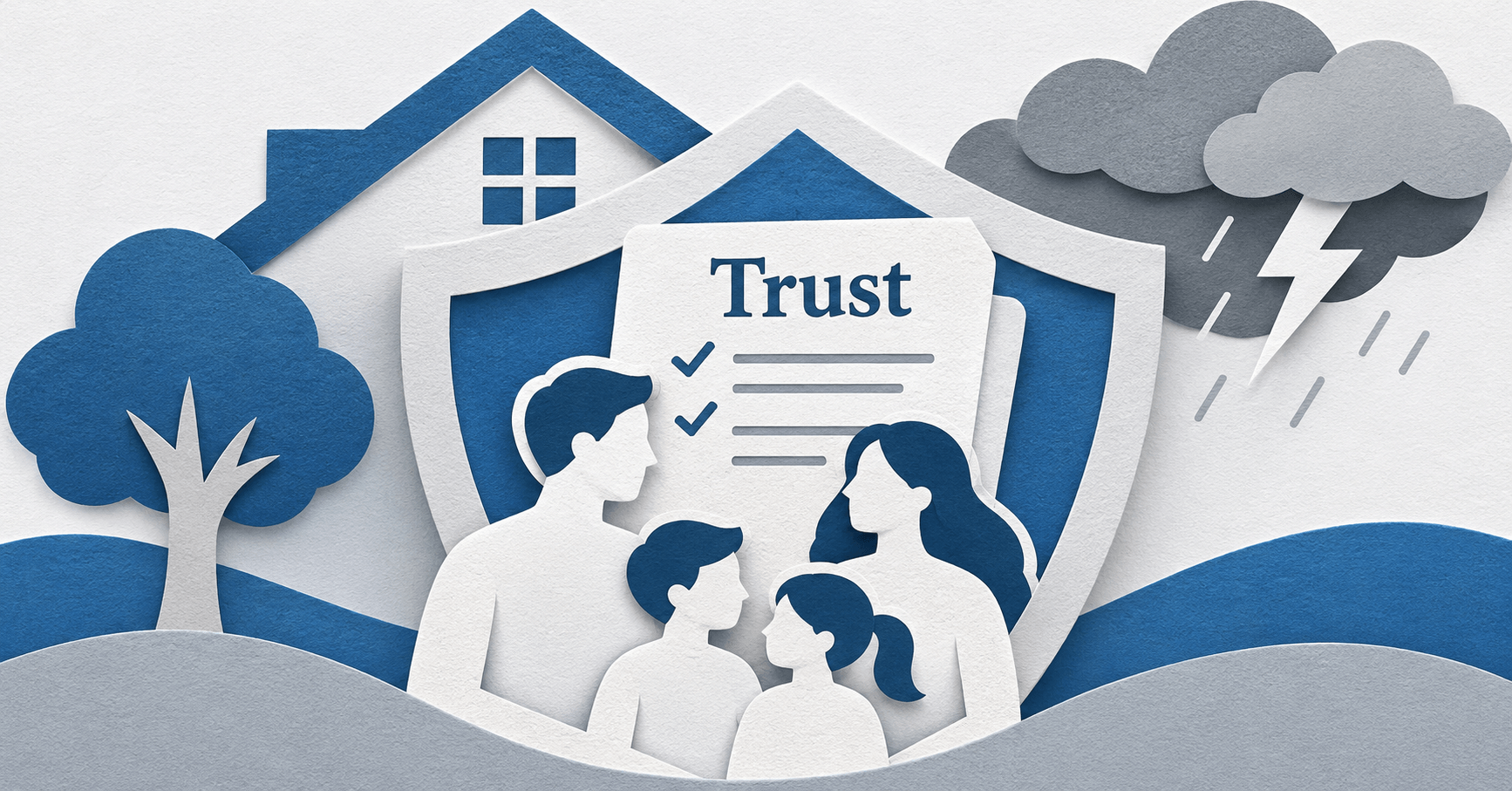
Why a Properly Drafted Trust Is Your Family’s Best Defense Against the Unexpected
Why Trusts Matter Before Crisis Strikes
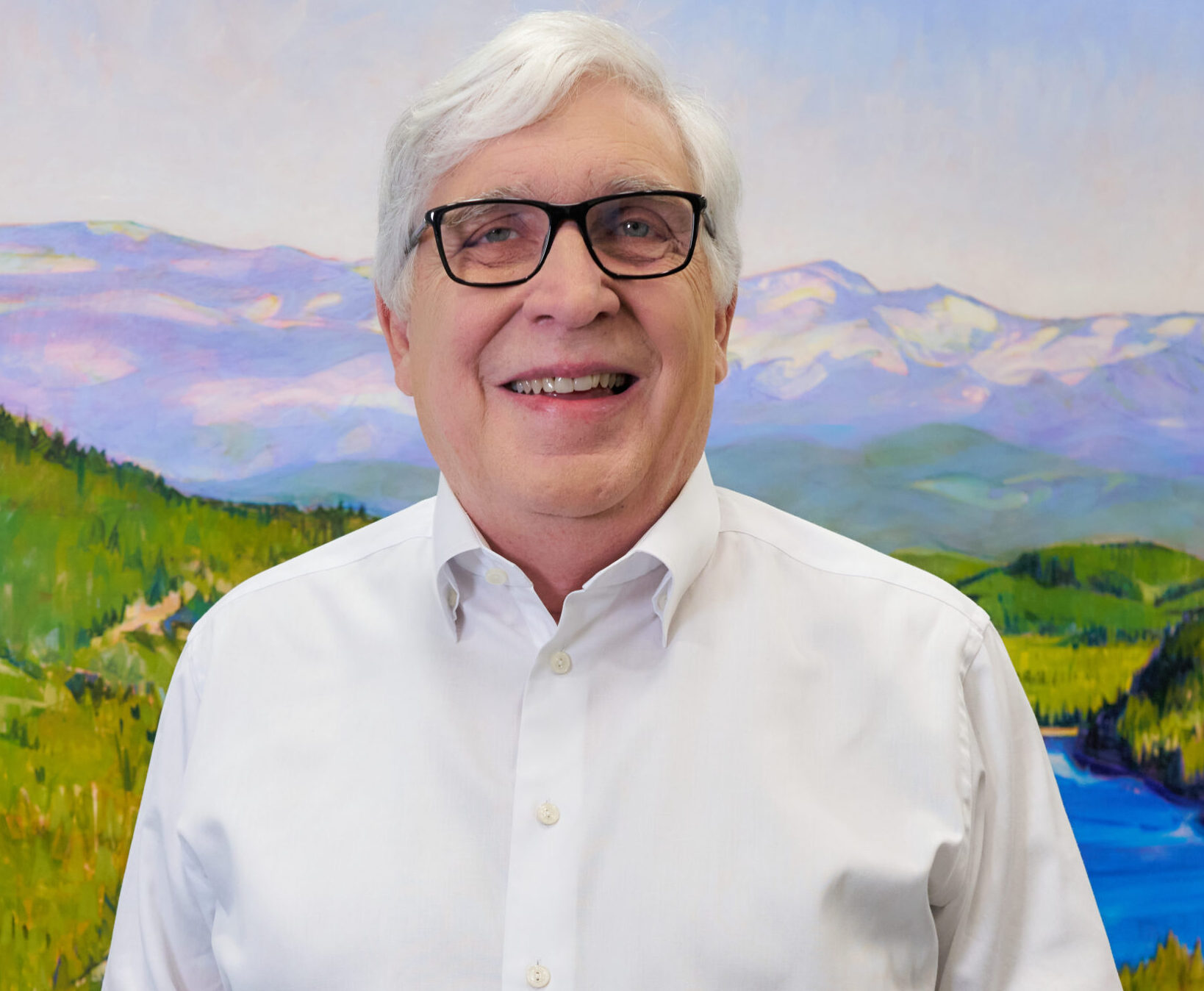
I’m Michael Hackard, founder of Hackard Law. Over my five decades of practice, I have stood with California families at some of the most difficult moments of their lives – after a sudden illness, a death no one saw coming, or a legal dispute that fractured relationships that had taken generations to build. I have written four books on inheritance protection and produced more than 1,000 educational videos that have reached over seven million viewers. That body of work reflects one consistent truth: families who plan ahead fare far better than those who do not.
Hackard Law serves clients throughout California, including Sacramento, the San Francisco Bay Area, and Los Angeles. Whether your estate is modest or substantial, the question is not whether life will bring the unexpected – it is whether your family will be ready when it does. A properly drafted trust is one of the most powerful tools available to answer that question with confidence.
Hackard Law provides contingency fee representation for qualified trust and estate litigation cases, meaning no upfront costs to you. To find out whether your situation qualifies, call us at (916) 313-3030.
Quick Summary
A trust is a legal arrangement that holds and manages assets for the benefit of others, and it can protect your family from probate delays, incapacity crises, and costly court battles. Unlike a will, many trusts take effect immediately and continue working throughout your lifetime.
- A successor trustee can step in immediately if you become incapacitated, avoiding conservatorship court
- Assets held in trust pass directly to beneficiaries without probate delays or public exposure
- Special needs trusts preserve a beneficiary’s access to government benefits
- Certain irrevocable trusts can shield assets from creditors and lawsuits when planned in advance
- A trust with clear terms and a neutral trustee can prevent family conflict from becoming prolonged litigation
What a Trust Actually Does – and Why It Differs from a Will
At its core, a trust is a three-party legal arrangement. The grantor creates the trust and transfers assets into it. A trustee manages those assets according to the grantor’s instructions. The beneficiaries receive the benefit of those assets over time or upon specified events.
The most important distinction between a trust and a will is timing. A will speaks only at death and must pass through probate – a public, court-supervised process that can take months or years and consume a meaningful portion of the estate in fees. A revocable living trust, by contrast, takes effect the moment it is signed and funded. It operates during the grantor’s lifetime, through any period of incapacity, and after death – all without court intervention.
For California families, that distinction is not theoretical. Probate in this state can be slow and expensive, and the top 10 most common probate, trust, and estate battles almost always involve estates where planning was absent or incomplete.
The Scenarios Where a Trust Makes the Difference
Incapacity is one of the most overlooked risks in estate planning. If a stroke, accident, or cognitive decline leaves you unable to manage your own affairs, someone must step in. Without a trust, your family may be forced into a conservatorship proceeding – a public, contested court process that can cost tens of thousands of dollars and take months to resolve. With a properly funded trust, your named successor trustee steps in immediately, without court approval, and manages your assets according to your instructions.
Sudden death is another scenario where the presence or absence of a trust defines the family’s experience. Assets held in trust pass directly to beneficiaries. Assets that pass through a will must go through probate. For a California estate of any meaningful size, that difference can mean a year or more of delays and fees that reduce what your loved ones ultimately receive.
Case Pattern: A family in Northern California lost their father unexpectedly. He had a will but no trust. The probate process took nearly two years, generated significant legal fees, and exposed private family financial details in public court records. A sibling dispute emerged during the process that might never have surfaced had a trust been in place with clear distribution terms and a neutral trustee.
Lawsuit exposure is a third risk that trusts can address. Certain irrevocable trusts, when established well in advance, can place assets beyond the reach of future creditors. The key phrase is planning ahead – transfers made after a lawsuit arises are subject to fraudulent transfer challenges. The protection only works when it is built before the threat materializes.
Choosing the Right Type of Trust for Your Family
Not every trust serves the same purpose, and choosing the wrong structure can be just as costly as having no trust at all. Hackard Law helps clients evaluate their options based on their assets, family dynamics, and long-term goals.
A revocable living trust is the most common starting point. The grantor retains control, can modify or revoke the trust at any time, and the trust becomes irrevocable at death. It avoids probate and provides a seamless transition of management during incapacity.
An irrevocable trust, once established, generally cannot be changed. In exchange for giving up control, the grantor may gain asset protection benefits or estate tax advantages. These trusts require careful planning and are not appropriate for every situation.
A special needs trust is for beneficiaries who receive government assistance such as Medi-Cal or Supplemental Security Income. A direct inheritance could exclude a person from those programs. A special needs trust is correctly constructed to pay for the beneficiary’s quality of life and not disqualify them.
For families navigating these choices, understanding how to choose the right probate lawyer for your situation is an important first step toward finding counsel who can evaluate which trust structure fits your specific circumstances.
Case Pattern: A developmentally disabled son was born to a couple in southern California. They bequeathed him a direct inheritance. When they died, the inheritance barred him from the government benefits he depended on for housing and care. Had they set up a special needs trust while alive, the inheritance and the benefits would be protected.
Why a Trust Without Proper Funding Is an Empty Shell
One of the most common and costly mistakes in trust planning is creating a trust but failing to fund it. A trust can only govern the assets that have been put into it. A home that remains titled in the grantor’s individual name, a bank account that was never retitled, a brokerage account that still lists the grantor as the individual owner – none of these are protected by the trust.
Hackard Law coordinates the funding process as part of trust planning. That means working with clients to retitle real property, update account ownership, and review beneficiary designations on life insurance and retirement accounts. It also means coordinating with financial advisors and CPAs to make sure the overall strategy is coherent.
For families already in a dispute over a trust that was improperly funded or poorly drafted, understanding the 8 stages of trust and estate litigation can help set realistic expectations about what lies ahead. Our practice areas overview outlines the full range of trust and estate matters Hackard Law handles across California.
When Planning Fails: The Litigation Reality
For decades, I have stood with families who were dealing with the aftermath of planning that never happened or planning that was done carelessly. The financial toll grows quickly in these situations – attorney fees, court costs, delays in receiving an inheritance, and assets that diminish while disputes drag on. The fracture that runs through a family after a contested trust proceeding often runs too deep for any judgment to mend.
Hackard Law litigates trust and estate disputes throughout California, including cases in Sacramento, the Bay Area, Los Angeles, and Glendale. Families dealing with estate disputes in the Los Angeles area or Sacramento estate matters will find that the litigation process is demanding – but that a steadfast commitment to truth restores what dishonesty tried to steal. Discovery, forensic analysis, and the pursuit of justice are not just legal strategies. They are safeguards for families threatened by exploitation and neglect.
Contingency fee representation makes it possible for qualified clients to pursue these claims without paying attorney fees upfront. Learn more about how contingency fee representation works in trust and estate cases.
Key Definitions
- Grantor: The person who creates a trust and transfers assets into it.
- Trustee: The person or institution responsible for managing trust assets according to the trust’s terms.
- Successor trustee: The person who takes over trust management if the original trustee dies, resigns, or becomes incapacitated.
- Beneficiary: A person who receives the benefit of assets held in a trust.
- Revocable living trust: A trust the grantor can modify or revoke during their lifetime; becomes irrevocable at death.
- Irrevocable trust: A trust that generally cannot be changed after it is established; may offer asset protection and tax benefits.
- Special needs trust: A trust designed to benefit a person with disabilities without disqualifying them from government benefits.
- Probate: The court-supervised process of validating a will and distributing a deceased person’s estate.
- Trust funding: The process of transferring assets into a trust so they are governed by its terms.
- Conservatorship: A court proceeding that appoints someone to manage the affairs of an incapacitated person who has no other legal mechanism in place.
What to Do Next
- Look for signs that your current estate plan has gaps – untitled assets, outdated beneficiary designations, or a will with no corresponding trust.
- Get copies of any existing trust documents and review them with an attorney to confirm the trust is properly funded.
- Try to avoid waiting for a health crisis or family conflict to prompt action – the time to plan is before the emergency arrives.
- Look for an attorney who listens to your family’s specific circumstances before recommending a trust structure.
- Get copies of title documents for your real property to determine whether they need to be retitled into your trust.
- Try to avoid naming a trustee without thinking through what happens if that person predeceases you or becomes unable to serve.
- Look into whether a special needs trust is appropriate if any family member receives government benefits.
- Review your plan after major life changes – a divorce, a death in the family, a new grandchild, or a significant change in assets.
- Call Hackard Law at (916) 313-3030 to discuss your situation with an attorney who has spent five decades protecting California families.
- Visit our contact page to request a consultation and take the first step toward protecting your legacy.
CALL THE SAGE | When Experience Matters, Families Listen
🏛️ We practice California trust & estate & elder financial abuse litigation
⚖️ We represent heirs, beneficiaries, and elder abuse victims
🎥 1,000+ educational videos | 7 million+ views | 6 published books
🎯 “After thousands of cases, I see the pattern others miss.”
CONTINGENCY REPRESENTATION – No Win, No Fee
Throughout California: Sacramento | Los Angeles | Bay Area
📞 CALL THE SAGE: (916) 313-3030
Subscribe for weekly insights on:
- Elder financial abuse warning signs and prevention
- Trust and estate litigation strategies
- Inheritance protection for California families
- Family protection strategies
When your inheritance is under attack, Call The Sage.
Hackard Law | 10640 Mather Blvd, Mather CA 95655
Attorney Advertisement | Michael Hackard, State Bar #71067
RELATED VIDEOS
How an Estate Lawyer Prepares You for Life’s Unexpected Turns
An estate lawyer explains how advance planning protects families from life’s surprises.
The 3 Biggest Risks to Family Wealth | CA Estate & Trust Litigation
Michael Hackard outlines the three greatest threats that can erode a family’s estate.
Our Job is to Protect Your Family | Estate & Trust Litigation Attorneys
Hackard Law describes how they fight to safeguard families in trust and estate disputes.
How an Estate Lawyer Keeps Peace in the Family After Loss
An estate attorney shares strategies for reducing conflict among family members after a death.
CA Revocable Trusts: Are Beneficiaries Last in Line?
Explains how California revocable trusts work and what rights beneficiaries actually hold.
What Section of the Trust Shows the Distribution of Trust Assets to Beneficiaries?
A plain-language breakdown of how trust documents direct asset distribution to beneficiaries.
 Michael Hackard is the founder of Hackard Law, a California trust and estate litigation firm with more than five decades of experience protecting the inheritance rights of families across Sacramento, the San Francisco Bay Area, and Los Angeles. He is the author of six published books and has produced more than 1,000 educational videos with over seven million views.