


 (916) 313-3030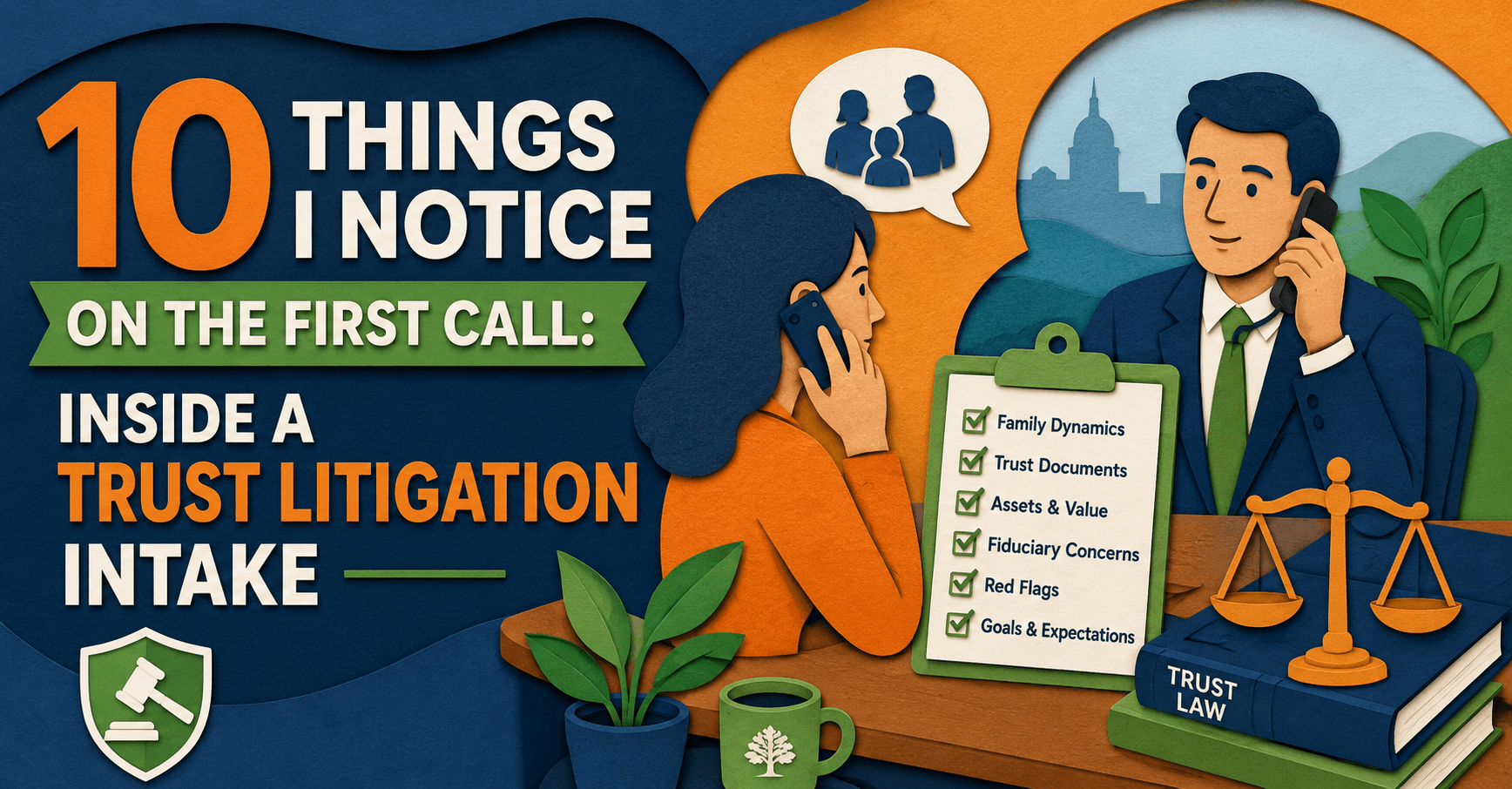
10 Things I Notice on the First Call: Inside a Trust Litigation Intake
What Happens Before the Case Even Begins
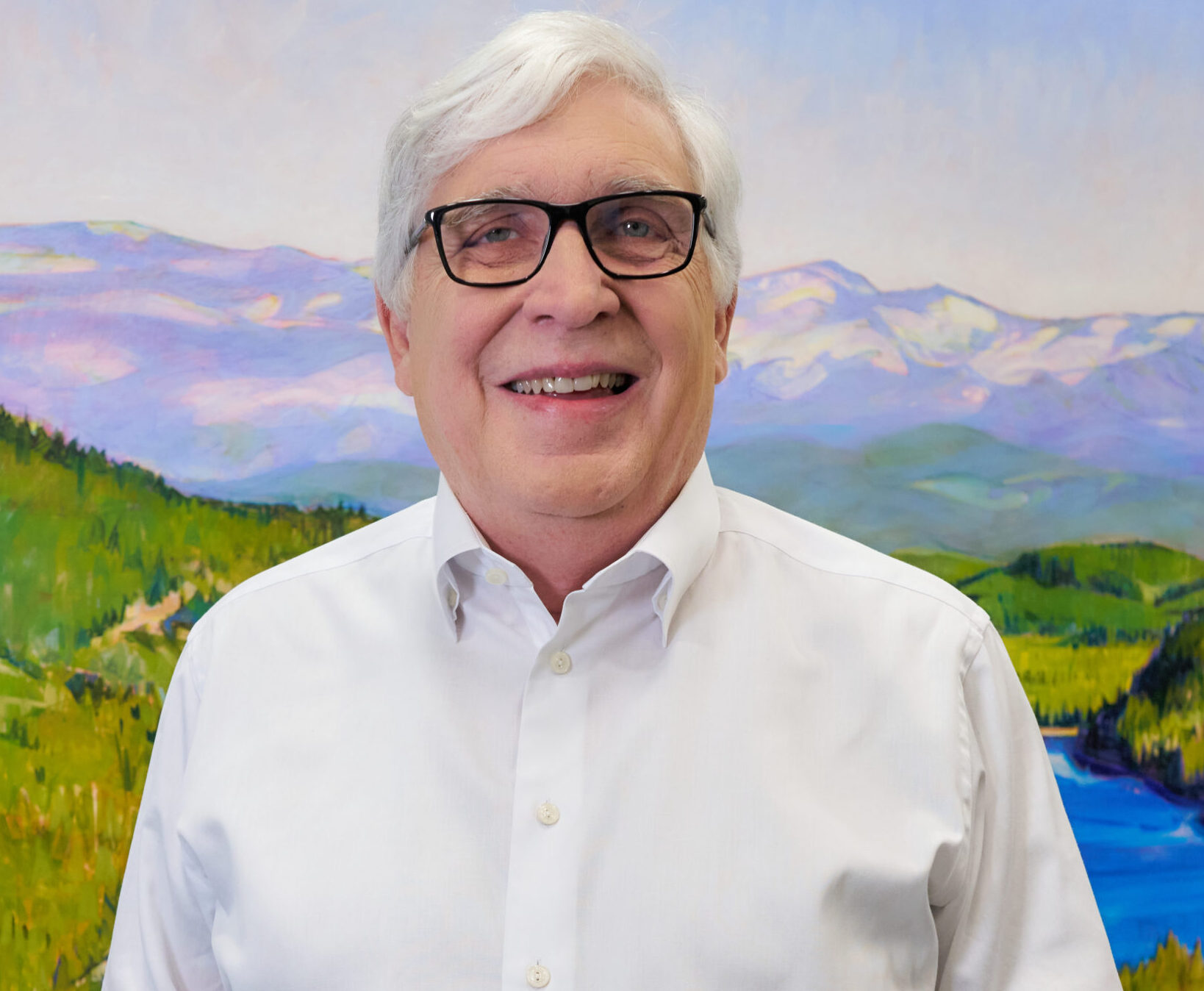
I’m Michael Hackard, founder of Hackard Law. Over five decades of practice, I have fought for heirs, beneficiaries, and elder abuse victims across California – from Sacramento and the San Francisco Bay Area to Los Angeles and beyond. I have written four books on inheritance protection and produced more than 1,000 educational videos that have drawn over seven million views. That body of work reflects one core conviction: families facing trust and estate disputes deserve clear, honest guidance from someone who has seen it all.
Every case starts with a phone call. And in the first few minutes of that call, I am already piecing together a picture. There are ten things I notice – consciously or not – that shape how I understand a potential client’s situation. Understanding what I am listening for can help you prepare for that first conversation and give your case the strongest possible start.
Hackard Law provides contingency fee representation for qualified trust, estate, and elder financial abuse cases – no upfront costs required. To speak with our team, call (916) 313-3030.
Quick Summary
The first call with a trust litigation attorney is not just an introduction – it is the foundation of your case. What you share in those first minutes shapes everything that follows.
- The area code, tone of voice, and emotional state all register immediately.
- Story chronology, client role, venue, and assets are the core factual framework.
- The number of interested parties, age of the estate plan, and the client’s true motive round out the picture.
- Calming the client and sorting critical facts from background noise is the first real legal service an attorney provides.
The First Impressions: Voice, Emotion, and Area Code
I am Michael Hackard, and when a call comes in, the first thing I notice is the area code. It tells me something about geography before a word is spoken. Hackard Law practices only in California, but calls arrive from across the country – and I have advised people from Asia, South America, Australia, and Europe about matters tied to California estates. Geography matters from the very first second.
Then I listen to the voice. Some voices carry urgency. Others carry exhaustion, apprehension, or confusion. That emotional register tells me what the caller needs most in the first few minutes: not legal strategy, but calm. I work to settle clients who call in distress. People think more clearly when they are not flooded with emotion, and little good comes from amplifying a fire that is already burning.
Once the emotional temperature drops, the real conversation can begin.
Building the Story: Chronology and the Client’s Role
The next thing I do is help the caller retrace their steps. Trust and estate disputes rarely arrive in neat, chronological order. A caller might start in the middle – with a recent discovery of a changed will or a drained bank account – and I have to work backward and forward to find the shape of the story. Some facts are critical right now. Others can wait. And some simply do not matter at all.
I think of it like looking at a bowl of vegetable soup. Everything is in there together, and the job is to tell the carrots from the celery from the beans. Until you can sort the important from the unimportant, you cannot build a case.
The client’s role in the estate is equally important. Spouses, ex-spouses, stepparents, stepchildren, adopted children, siblings, grandparents, caregivers, estate planners, and outside parties may all appear in a single dispute. Roles overlap constantly – a trustee may also be a beneficiary, and a beneficiary may also hold joint accounts or be named on a life insurance policy. Understanding those overlaps early prevents surprises later. Our practice areas overview reflects the full range of relationships Hackard Law handles.
Case Pattern: A caller described a situation where a sibling serving as successor trustee had also been named the sole beneficiary of a recent amendment. Untangling those dual roles – and the circumstances under which the amendment was signed – became the center of the entire case.
Venue, Assets, and the Weight of Numbers
Venue is something I need to establish early. It matters where the decedent died, where the trustee lives, and where any elder financial abuse occurred. Courts have jurisdiction rules, and getting venue wrong at the outset creates problems that compound over time.
Assets are the backbone of any trust or estate dispute. Wills and trusts exist to collect and distribute property – not good wishes or heartfelt appreciation. Litigation is the mechanism for resolving disputes about that property, and it takes both time and money, whether the case is handled hourly or on a contingency fee basis. The location, nature, and value of assets shape whether a case is viable and how it should be pursued.
The number of interested parties matters too. If a caller is one of ten children and nine are satisfied with the trust, that is a significant hurdle – even if the claim is legitimate. If a trust has sixteen amendments over five years, something is almost certainly wrong, and there are likely multiple unhappy former beneficiaries waiting in the wings. Understanding what California beneficiaries can do when a trustee delays or acts improperly is an essential starting point for anyone in that position.
The Age of the Plan and the Question of Motive
The age of an estate plan tells me a great deal. A will or trust that has been in place for years, with no amendments and no unusual activity, signals stability. That stability makes a challenge difficult. On the other hand, a deathbed will or a trust amended repeatedly in the final months of a person’s life raises serious questions. There is a wide body of California law addressing those circumstances, and Hackard Law has litigated many of them.
Finally – and this is something I feel strongly about – I listen for motive. I will not pursue a case built on vengeance. Making someone else’s life miserable is not a legal goal I will work toward. What I will do is right a genuine wrong: challenge a trust produced by undue influence, recover assets taken through elder financial exploitation, or confront transfers engineered by those who prey on vulnerable people.
Case Pattern: A caller wanted to contest a trust amendment made three weeks before their parent’s death, after a caregiver had moved into the home and assumed control of finances. The motive was not revenge – it was restoration. That is the kind of case Hackard Law is built to handle.
Undue influence and elder financial abuse in estate transfers often go hand in hand, and early legal intervention can make the difference between recovering assets and losing them permanently.
What the First Call Tells Me About Your Case
For decades, I have stood with families at some of the most difficult moments of their lives. A parent’s estate has been redirected. A sibling has taken control. A caregiver has manipulated a vulnerable elder into signing documents that no one else knew about. These are not abstract legal problems – they are betrayals, and the financial toll grows the longer they go unaddressed.
The first call is where I begin to understand what happened and whether the law can help. Discovery, careful analysis of the estate plan, and a clear-eyed look at the evidence – these are not just legal strategies, but safeguards for families threatened by undue influence and fraud. A steadfast commitment to truth restores what dishonesty tried to steal.
If you are facing a trust dispute, a contested will, or signs of elder financial abuse, the first step is a conversation. Understanding your rights as a California beneficiary is where that conversation begins.
Key Definitions
- Contingency fee: A fee arrangement where the attorney is paid only if the case results in a recovery – no upfront cost to the client.
- Venue: The geographic location where a legal proceeding is properly filed, often tied to where the decedent lived or where the trust is administered.
- Undue influence: Pressure or manipulation that overrides a person’s free will in making estate planning decisions, recognized as grounds to contest a trust or will under California law.
- Successor trustee: The person or entity designated to manage a trust after the original trustee dies or becomes incapacitated.
- Amendment: A formal change to a trust document; multiple amendments in a short period can signal manipulation or diminished capacity.
- Beneficiary: A person entitled to receive assets from a trust or estate.
- Elder financial abuse: The wrongful taking, concealment, or appropriation of an elder’s assets, which may give rise to civil remedies including double damages under California law.
- Petitioner: A party who initiates a probate or trust court proceeding.
- Deathbed will: A will executed very close to the time of death, which may be subject to challenge on grounds of incapacity or undue influence.
- Inheritance theft: The unlawful diversion of assets that rightfully belong to heirs or beneficiaries, addressed in detail in the California inheritance theft guide.
What to Do Next
- Write down the key events in chronological order before your first call – even rough notes help.
- Look for any trust amendments, especially those made in the final months of a loved one’s life.
- Get copies of the original trust document and any amendments you can locate.
- Note the names and roles of everyone involved – trustees, beneficiaries, caregivers, and advisors.
- Look for signs of isolation, sudden financial changes, or new estate planning documents that appeared without warning, which may point to caregiver financial exploitation.
- Try to avoid confronting other parties before speaking with an attorney – early missteps can complicate your case.
- Think about your true goal: restoration of rightful assets, not retaliation.
- Reach out to Hackard Law for a confidential consultation about your situation.
- Call Hackard Law at (916) 313-3030 to speak with our team about your case.
- Visit our contact page to get started online.
CALL THE SAGE | When Experience Matters, Families Listen
🏛️ We practice California trust & estate & elder financial abuse litigation
⚖️ We represent heirs, beneficiaries, and elder abuse victims
🎥 1,000+ educational videos | 7 million+ views | 4 published books
🎯 “After thousands of cases, I see the pattern others miss.”
CONTINGENCY REPRESENTATION – No Win, No Fee
Throughout California: Sacramento | Los Angeles | Bay Area
📞 CALL THE SAGE: (916) 313-3030
Subscribe for weekly insights on:
- Elder financial abuse warning signs and prevention
- Trust and estate litigation strategies
- Inheritance protection for California families
- Family protection strategies
When your inheritance is under attack, Call The Sage.
Hackard Law | 10640 Mather Blvd, Mather CA 95655
Attorney Advertisement | Michael Hackard, State Bar #71067
RELATED VIDEOS
The Wolf at the Door: Ep. 20 | Trust Litigation Battle Plan
Michael Hackard walks through how to build a winning trust litigation strategy.
The Wolf at the Door: Ep. 21 | Trust Litigation & the OODA Loop
Explores a decision-making framework attorneys use to navigate complex trust disputes.
Sometimes You’ve Got to Fight | Disinherited Trust Beneficiary Battles
Covers what disinherited beneficiaries face and why fighting back can be necessary.
Fired Up | What Drives California Elder Financial Abuse Litigation
Michael Hackard shares the personal motivation behind pursuing elder financial abuse cases.
Stopping Estate Fraud | Los Angeles Trust Litigation Attorneys
Examines how attorneys identify and take action against fraud in estate matters.
Establishing Undue Influence & Elder Financial Abuse | CA Trust Litigation
Explains what it takes to prove undue influence and financial abuse in California courts.
 Michael Hackard is the founder of Hackard Law, a California trust and estate litigation firm with more than five decades of experience protecting the inheritance rights of families across Sacramento, the San Francisco Bay Area, and Los Angeles. He is the author of six published books on inheritance protection and has produced more than 1,000 educational videos with over seven million views.