


How a California trust litigator evaluates an inheritance dispute, and which deadlines may already apply to yours. Six questions. No names.
A California trust and estate litigator looks first at time: which filing deadlines apply and whether they are still open. Then standing, meaning whether you are the right person to bring the claim; what happened and how it can be proved; where the property is now; and what you stand to recover compared with an earlier trust, will, or intestate share.
Six questions, about two minutes. You'll see which deadlines and threshold questions apply to your situation, and what to gather before you call.
No names, no account numbers. Your answers stay in this browser and are not sent to Hackard Law. Using this case check does not create an attorney-client relationship.
If the interactive check is unavailable, call Hackard Law at (916) 313-3030.
Attorney advertising. This material is general information, not legal advice, and reflects California law. This case check does not predict whether Hackard Law will accept a matter or how any matter will turn out; both depend on the facts and the law. Responsible attorney: Michael A. Hackard (SBN 71067), Hackard Law, 10640 Mather Boulevard, Suite 100, Mather, California 95655-4190.
If you’re questioning a will, a trust, or a property transfer in California, these are the questions we’ll work through with you.
A court first asks whether you are the right person to bring the claim. A child, spouse, or beneficiary named in an earlier trust or will usually has a clear path. A stepchild, a grandchild whose parent has died, or a relative left out of every document may still have one, depending on what the earlier documents said and on California’s inheritance rules.
The cases we see most often follow recognizable patterns: a trust changed after a diagnosis, a caregiver or new spouse who controlled access, a deed signed during a hospital stay, a trustee who stopped answering questions. Medical records, the drafting lawyer’s file, bank records, and recorded documents usually tell the story more reliably than memory does.
A claim is only as good as the ability to reach the property. A house still held in the trust is different from one that has been sold and refinanced, and an account still open is different from one that has been emptied. Early steps, like recording a notice of pending action or asking the court to freeze an account, depend on knowing where things stand.
We look at what the claim would change for you, not at how wealthy the family is. A large estate where your share did not change may not be a case. A modest estate where a parent’s home was signed away can be. What matters is the difference between what you received and what an earlier trust, an earlier will, or California’s intestacy rules would have given you.

Every trust and estate claim in California runs on a clock, and some of the clocks are short. A trust contest can be barred 120 days after a trustee’s notice is served. A will contest can be barred 120 days after the will is admitted to probate. Claims to recover property and financial elder abuse claims run on other clocks, some measured from when you discovered what happened. We start with the dates because they decide which claims are still open.
The first questions are about time and standing: which deadlines apply and whether they are still open, and whether you are the right person to bring the claim. After that come the facts and the proof, where the property is now, and what you stand to recover compared with what an earlier trust, will, or intestate share would have given you. The size of the estate matters less than the difference the claim would make for you.
Once a trustee serves the notice required by Probate Code section 16061.7, a trust contest generally must be filed within 120 days after service, or within 60 days after a copy of the trust terms you requested during that period is mailed or delivered to you, whichever is later (Probate Code section 16061.8). Other claims, such as breach of trust or recovery of wrongfully taken property, have their own time limits.
A will can be challenged before it is admitted to probate by filing an objection. After admission, a contest generally must be filed within 120 days (Probate Code section 8270).
A civil action for financial abuse of an elder or dependent adult generally must be filed within four years after the plaintiff discovers, or reasonably should have discovered, the facts constituting the abuse (Welfare and Institutions Code section 15657.7). Financial abuse is defined in section 15610.30, and section 15657.5 provides for attorney fees and costs when the abuse is proved.
Yes, though the tools are different. While a parent is living and a trust is revocable, the trustee generally answers to the parent rather than the children (Probate Code section 15800). Options can include a petition concerning an agent’s conduct under a power of attorney (Probate Code section 4540 and following), an elder abuse restraining order (Welfare and Institutions Code section 15657.03), and in some situations a conservatorship. The focus is protecting your parent and stopping further loss.
Sometimes. California law can treat a stepchild, or a child the decedent raised as their own, as a child for inheritance purposes in specific circumstances (Probate Code sections 6453 and 6454). Whether those rules apply depends on facts such as when the relationship began and how the decedent treated the child.
A corporate trustee does not end the question. If a trust was changed through undue influence, or a person took property they had no right to, the claim is usually about that person, and the bank often holds the assets as a neutral party. Hackard Law does not bring claims against banks, brokerages, or investment advisers themselves.
Contingency fee representation. Hackard Law advances the case costs, and those costs are repaid from the recovery before the fee is calculated. No recovery, no fee — and no costs owed unless the written fee agreement provides otherwise. Fees are negotiable and are not set by law.
No. The case check runs entirely in your browser, and your answers are not sent to Hackard Law. An attorney-client relationship begins only after a conflict check and a signed written fee agreement.
Hackard Law
50 Years Protecting California Families
California Estate and Trust Litigation Attorney
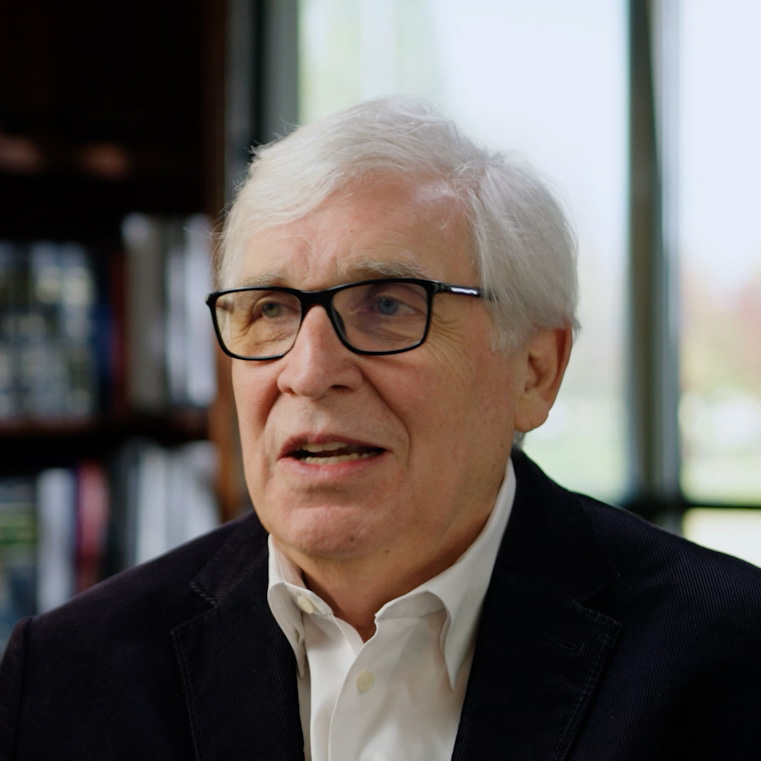
“After thousands of cases, I know the pattern.”
6
Published books
Six published books on elder vulnerability, inheritance protection, and family advocacy
2026 Silver Telly Award, Law & Crime, Introducing the Sage
Testified before the U.S. House of Representatives, Committee on Ways and Means
Sacramento | San Francisco Bay Area | Los Angeles | San Diego | Orange County
Contact Hackard Law:
Contingency fee representation. Hackard Law advances the case costs, and those costs are repaid from the recovery before the fee is calculated. No recovery, no fee — and no costs owed unless the written fee agreement provides otherwise. Fees are negotiable and are not set by law.
Michael A. Hackard (SBN 71067)
10640 Mather Boulevard, Suite 100, Mather, California 95655-4190
This material is general information, not legal advice, and reflects California law. Last reviewed by Michael A. Hackard, November 14, 2026.