


In brief: Copyrights and royalty streams pass by will, trust, or intestacy, but the right to terminate an author’s old licenses goes by federal law to the surviving spouse, children, and grandchildren, whatever the will says (17 U.S.C. §§ 201(d), 203). A deceased person’s name and likeness are protected for 70 years (Civil Code § 3344.1). Hackard Law handles these cases on contingency: no fee and no costs if there is no recovery, unless your written agreement provides otherwise.
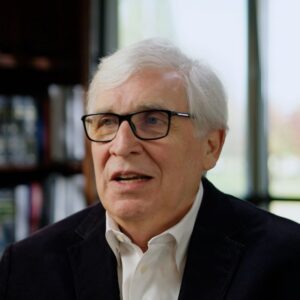
By Michael Hackard, California trust and estate litigation attorney. Last reviewed October 26, 2026. Updated November 3, 2026.
Some of the most valuable assets in a Bel Air estate never appear on a property tax bill: song catalogs, film participations, residuals, copyrights, and the right to use a famous name or face. Whoever controls them controls the income for decades, and the rules are not the ones most families expect.
Alphonzo Bell founded Bel Air in 1923, subdividing former ranchland into large lots and building the Bel-Air Country Club. The name is attributed to Mrs. Bell, from the Italian bello and “air.” Its East and West Gates sit on Sunset Boulevard. Bel Air is a neighborhood of the City of Los Angeles.
A copyright can be left by will or trust, or passes under intestacy (17 U.S.C. § 201(d)). The right to terminate an author’s earlier licenses is separate: after the author dies, federal law gives it to the surviving spouse, children, and grandchildren in fixed shares, whatever the will says (17 U.S.C. § 203). Those two sets of owners may not be the same people.
In California, a deceased person’s name, voice, and likeness are protected for 70 years after death; that right can be left by will or trust, and the owner cannot recover damages for uses before registering the claim with the Secretary of State (Civil Code § 3344.1). A trustee who manages these assets must account for every royalty payment (Probate Code § 16063).
Trust and probate cases for Bel Air are heard in the probate departments of Los Angeles County Superior Court, Stanley Mosk Courthouse, 111 North Hill Street, Los Angeles, California 90012, approximately 19 driving miles from Bel Air. Actual distance varies by starting point and route. Hackard Law’s office is in Sacramento County. The firm handles matters in Los Angeles County Superior Court and throughout California.
Hackard Law represents families on a contingency basis. The fee is a percentage of the recovery, stated in a written agreement before work begins. The firm advances the costs of the case, which are repaid from the recovery. If there is no recovery, you owe no fee and no costs, unless your written agreement provides otherwise.
Ownership of the copyrights passes by will, trust, or intestacy (17 U.S.C. § 201(d)). But the right to terminate the author’s earlier licenses goes by federal law to the surviving spouse, children, and grandchildren in fixed shares, whatever the will says (17 U.S.C. § 203). Those can be different people.
Yes, for 70 years after death. The right can be left by will or trust; if it is not, it passes to the spouse, children, grandchildren, or parents. The owner cannot recover damages for uses before registering the claim with the Secretary of State (Civil Code § 3344.1).
Yes. A trustee’s account must show all receipts and disbursements of principal and income (Probate Code § 16063), which includes royalties and licensing payments.
The first conversation is about what happened and when.
Call the Sage: (916) 313-3030
Hackard Law’s office is in Sacramento County.
Hackard Law represents families throughout California. hackardlaw.com
Please do not send documents until we ask for them.
 (916) 313-3030