


In brief: A will or trust amendment signed in the last weeks of life is valid only if the person had the required mental capacity and acted freely. California judges simple amendments by the testamentary-capacity standard and complex ones under Probate Code §§ 810–812. Hackard Law handles these cases on contingency: no fee and no costs if there is no recovery, unless your written agreement provides otherwise.
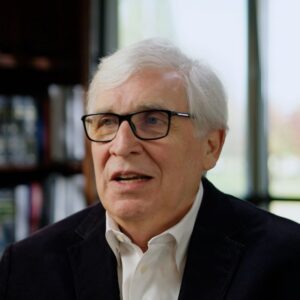
By Michael Hackard, California trust and estate litigation attorney. Last reviewed October 26, 2026. Updated November 3, 2026.
The amendment is dated three weeks before the death. It was signed at home, or in a hospital bed, with a new lawyer and none of the other children present. Pasadena families who find a document like that ask the same question: could Mom have understood what she was signing?
Pasadena was founded by the Indiana Colony in 1874 and incorporated in 1886. Its name, supplied to Dr. Thomas B. Elliott, comes loosely from a Chippewa phrase meaning “of the valley.” The Valley Hunt Club staged the first Rose Parade on January 1, 1890.
A person lacks capacity to make a will if they cannot understand the nature of the act, recall the nature and situation of their property, or remember their relationships to family and others affected; a mental health disorder with delusions or hallucinations that causes the gift can also defeat capacity (Probate Code § 6100.5). A simple trust amendment is judged by that standard. A more complex one is judged under Probate Code §§ 810–812 (Andersen v. Hunt (2011) 196 Cal.App.4th 722).
Capacity is only half of the question. A document signed by a person with capacity can still be set aside if it was the product of undue influence: excessive persuasion that overcomes free will and produces an inequitable result (Welfare & Institutions Code § 15610.70).
Source: U.S. Census Bureau, 2020 Census, 2025 population estimates, and American Community Survey 2020–2024.
Trust and probate cases for Pasadena are heard in the probate departments of Los Angeles County Superior Court, Stanley Mosk Courthouse, 111 North Hill Street, Los Angeles, California 90012, approximately 10 driving miles from Pasadena. Actual distance varies by starting point and route. Hackard Law’s office is in Sacramento County. The firm handles matters in Los Angeles County Superior Court and throughout California.
Hackard Law represents families on a contingency basis. The fee is a percentage of the recovery, stated in a written agreement before work begins. The firm advances the costs of the case, which are repaid from the recovery. If there is no recovery, you owe no fee and no costs, unless your written agreement provides otherwise.
Yes, if the person lacked the required capacity or was unduly influenced. A simple amendment is judged by the testamentary-capacity standard (Probate Code § 6100.5); a complex one under Probate Code §§ 810–812. Medical records, witnesses, and the circumstances of the signing are key evidence.
Under Probate Code § 6100.5, a person lacks capacity to make a will if they cannot understand the nature of the act, understand and recall the nature and situation of their property, or remember and understand their relationships to family members and others affected. A mental disorder with delusions or hallucinations that leads to the gift can also defeat capacity.
Undue influence is excessive persuasion that causes a person to act or refrain from acting by overcoming their free will, and results in inequity (Welfare & Institutions Code § 15610.70). Courts consider the person’s vulnerability, the influencer’s authority, the tactics used, and the fairness of the result.
The first conversation is about what happened and when.
Call the Sage: (916) 313-3030
Hackard Law’s office is in Sacramento County.
Hackard Law represents families throughout California. hackardlaw.com
Please do not send documents until we ask for them.
 (916) 313-3030