


In brief: San Francisco trust, estate and probate disputes are heard in Department 204 of the Civic Center Courthouse at 400 McAllister Street. The court’s local rules shape how petitions are filed, how hearings run and what parties must arrange themselves. Knowing them avoids delay.
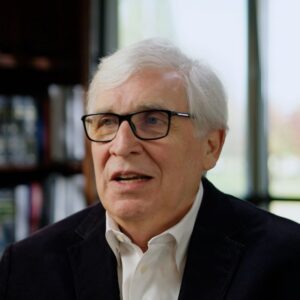
By Michael Hackard, California trust and estate litigation attorney. Last reviewed October 28, 2026.
Because San Francisco is both a city and a county, one probate court serves every neighborhood. Families coming from the Sunset, the Mission or Pacific Heights all end up at the same courthouse.
This page summarizes how that court works for trust and estate disputes.
Probate matters are heard at the Civic Center Courthouse, 400 McAllister Street, San Francisco, CA 94102. Probate appearance hearings are held in Department 204, generally at 9 a.m. Monday through Wednesday, with law and motion matters on Wednesday and Thursday afternoons and Fridays. Ex parte matters go to Department 202. The probate clerk’s office is in Room 103.
Tentative rulings are posted one to three days before the hearing and are available online or by calling (415) 551-4000.
Under the San Francisco Local Rules effective July 1, 2026, petitions about an existing trust, including those under Probate Code sections 16420 and 17200, are filed under the trust’s existing case number (Rule 14.43). Later petitions in an estate also go in the existing case (Rule 14.3).
Non-evidentiary probate hearings may proceed remotely. Evidentiary hearings and trials are in person unless the court orders otherwise (Rule 14.1). Parties generally arrange a private court reporter for probate evidentiary hearings and trials. Fee-waiver recipients may request a court-provided verbatim record by submitting a written request at least two weeks before the proceeding.
Contested matters expected to take more than 20 minutes may be specially set (Rule 14.5). Probate examiners review petitions and post issues in the tentative ruling (Rule 14.6). The court offers a Pro Bono Mediation Program for estate and trust disputes where the assets are $3,000,000 or less (Rule 14.43). Contingency fee agreements with a personal representative, guardian or conservator require court approval on a noticed hearing (Rule 14.54).
Hackard Law handles qualifying trust, estate and elder financial abuse cases on a contingency fee. You pay no hourly fees. The fee is a percentage of what is recovered, set out in a written agreement before work begins. The firm advances the costs of the case. Those costs are repaid from the recovery before the fee is calculated. If there is no recovery, you owe no fee and no costs, unless your written agreement provides otherwise.
At the Civic Center Courthouse, 400 McAllister Street, Department 204.
For most non-evidentiary probate hearings, yes. Evidentiary hearings and trials are in person unless the court orders otherwise.
Usually, the parties arrange a private reporter. Fee-waiver recipients may request a court-provided verbatim record by submitting a written request at least two weeks before the proceeding.
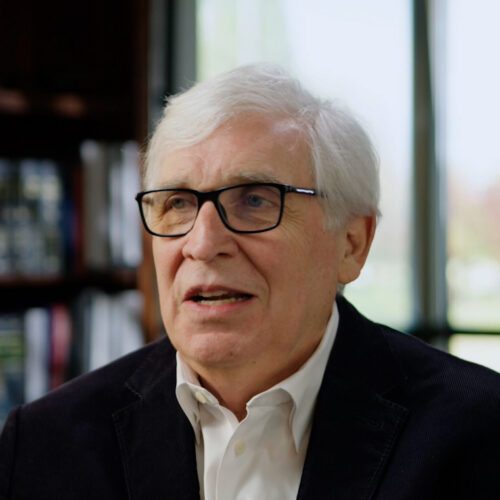
“After thousands of cases, I see the patterns others miss.”
Call the Sage: (916) 313-3030
Hackard Law’s office is in Sacramento County.
Hackard Law represents families throughout California. hackardlaw.com
Please do not send documents until we ask for them.
 (916) 313-3030