


In brief: In SoMa and Mission Bay, a trust or estate may hold founder shares, stock options or restricted stock in a private company. These assets are hard to value and easy to hide. A trustee must keep beneficiaries informed and manage them prudently, including during a funding round, sale or IPO.
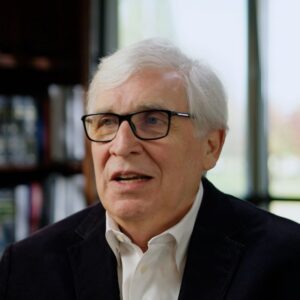
By Michael Hackard, California trust and estate litigation attorney. Last reviewed October 28, 2026.
Private company stock does not show up on a brokerage statement. A trustee may hold shares worth a fortune or nothing, and beneficiaries may learn of a sale only after it closes.
Equity disputes require early document requests and careful valuation.
Mission Bay was once a marsh used as a dumping ground for building refuse and debris from the 1906 earthquake. Much of it later became a Southern Pacific rail yard before being redeveloped. The Chase Center opened there in 2019. Today, the wealth created in these neighborhoods often sits in private company stock.
A trustee must keep beneficiaries reasonably informed of the trust and its administration under Probate Code section 16060, and provide requested information under section 16061.
Private stock, options and restricted units come with transfer restrictions, vesting and tax deadlines. A trustee who lets options expire or sells to an insider at a low value can be surcharged for the loss under section 16440.
The prudent investor rule, Probate Code sections 16045 through 16054, requires reasonable care and diversification unless the trust says otherwise.
Every San Francisco neighborhood shares one probate court. Trust, estate and probate matters are handled at the Civic Center Courthouse, 400 McAllister Street. Regular probate appearance hearings are generally in Department 204; ex parte appearances are in Department 202. A petition about an existing trust is filed in that trust’s case. Many non-evidentiary probate hearings may be attended remotely, while evidentiary hearings and trials are in person unless the court orders otherwise. Parties generally arrange a private court reporter for probate evidentiary hearings and trials. Fee-waiver recipients may request a court-provided verbatim record by submitting a written request at least two weeks before the proceeding.
Hackard Law handles qualifying trust, estate and elder financial abuse cases on a contingency fee. You pay no hourly fees. The fee is a percentage of what is recovered, set out in a written agreement before work begins. The firm advances the costs of the case. Those costs are repaid from the recovery before the fee is calculated. If there is no recovery, you owe no fee and no costs, unless your written agreement provides otherwise.
Usually by appraisal that considers the latest funding round, restrictions and any pending sale. Old valuations can be misleading.
The trustee must keep beneficiaries reasonably informed of significant developments under Probate Code section 16060.
A trustee who negligently lets valuable options lapse may be liable for the lost value.
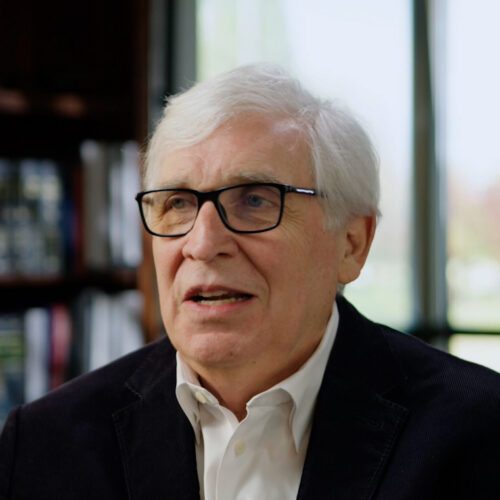
“After thousands of cases, I see the patterns others miss.”
Call the Sage: (916) 313-3030
Hackard Law’s office is in Sacramento County.
Hackard Law represents families throughout California. hackardlaw.com
Please do not send documents until we ask for them.
 (916) 313-3030