


In brief: Adding a child or helper to a deed as joint tenant can move a Noe Valley house outside the trust and away from the rest of the family. Whether that was a real gift, a convenience or the product of undue influence decides who keeps the house.
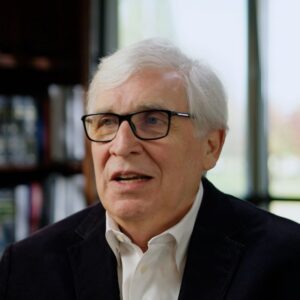
By Michael Hackard, California trust and estate litigation attorney. Last reviewed October 28, 2026.
A parent may add one child to the deed to help with bills or avoid probate. At death, the joint tenant claims the whole house by survivorship, even if the trust divides everything equally.
The law asks what the parent actually intended, and how the deed came to be signed.
Noe Valley is named for José de Jesús Noé, a Mexican-era alcalde of Yerba Buena, whose Rancho San Miguel covered the area. In the 1850s, Noé sold much of the rancho to the Horner brothers, who subdivided the land. The neighborhood’s property history began with a single family’s holdings divided and sold, and its disputes still often turn on how title was held.
Joint tenancy passes the property to the surviving joint tenant outside the trust and will. But a deed can be challenged if the parent lacked capacity, was unduly influenced, or added the name only for convenience without intending a gift.
Probate Code section 21380 can presume undue influence when a deed benefits a care custodian or a person who drafted it. A Probate Code section 850 petition can ask the court to determine that the property belongs to the trust or estate.
Timing matters. Refinancing or sale by the surviving joint tenant can complicate recovery, so families should check title promptly.
Every San Francisco neighborhood shares one probate court. Trust, estate and probate matters are handled at the Civic Center Courthouse, 400 McAllister Street. Regular probate appearance hearings are generally in Department 204; ex parte appearances are in Department 202. A petition about an existing trust is filed in that trust’s case. Many non-evidentiary probate hearings may be attended remotely, while evidentiary hearings and trials are in person unless the court orders otherwise. Parties generally arrange a private court reporter for probate evidentiary hearings and trials. Fee-waiver recipients may request a court-provided verbatim record by submitting a written request at least two weeks before the proceeding.
Hackard Law handles qualifying trust, estate and elder financial abuse cases on a contingency fee. You pay no hourly fees. The fee is a percentage of what is recovered, set out in a written agreement before work begins. The firm advances the costs of the case. Those costs are repaid from the recovery before the fee is calculated. If there is no recovery, you owe no fee and no costs, unless your written agreement provides otherwise.
Usually the property passes to the surviving joint tenant. But the deed can be challenged for incapacity, undue influence or lack of donative intent.
Evidence that the addition was for convenience can support a claim that the house belongs to the trust or estate.
Obtain the recorded deeds from the San Francisco Assessor-Recorder or a title company.
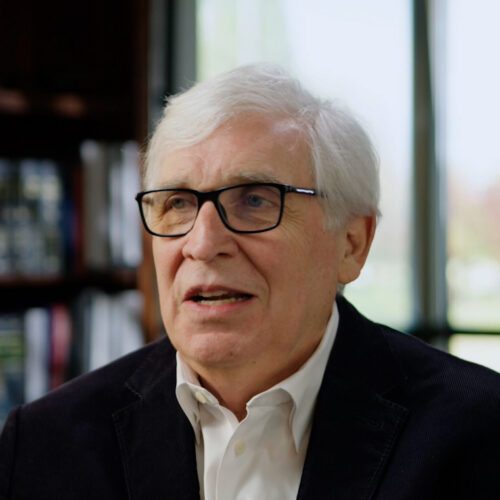
“After thousands of cases, I see the patterns others miss.”
Call the Sage: (916) 313-3030
Hackard Law’s office is in Sacramento County.
Hackard Law represents families throughout California. hackardlaw.com
Please do not send documents until we ask for them.
 (916) 313-3030