


In brief: Many trusts in Laurel Heights and along Lake Street include a no-contest clause warning that a beneficiary who challenges the trust will lose their share. California enforces these clauses only in limited situations. A contest brought with probable cause generally does not trigger forfeiture.
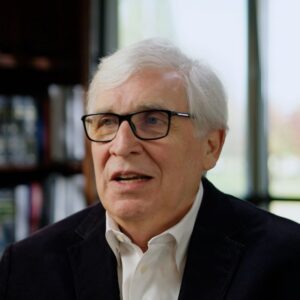
By Michael Hackard, California trust and estate litigation attorney. Last reviewed October 28, 2026.
A no-contest clause is designed to make beneficiaries afraid to ask questions. Many families assume it means they cannot challenge anything.
That is not California law. The clause is enforced narrowly, and some challenges are never covered.
Laurel Heights sits on land that was once part of Laurel Hill Cemetery, opened in 1854. San Francisco banned new burials in the city around 1900, and between 1939 and 1941, about 35,000 remains were reinterred, most at Cypress Lawn in Colma. Even the resting places of San Francisco families have been the subject of hard decisions about property and cost.
Under Probate Code section 21311, a no-contest clause can be enforced against a direct contest only if it was brought without probable cause. It can also apply to a challenge to a property transfer on the ground that the transferor did not own the property, and to a creditor’s claim, but only if the clause expressly says so.
Section 21311 defines probable cause as facts that would lead a reasonable person to believe there is a reasonable likelihood the requested relief will be granted after an opportunity for further investigation or discovery.
Many actions are not contests at all, including a petition to compel an accounting or to remove a trustee for misconduct. These generally can be filed without risk under the clause.
Every San Francisco neighborhood shares one probate court. Trust, estate and probate matters are handled at the Civic Center Courthouse, 400 McAllister Street. Regular probate appearance hearings are generally in Department 204; ex parte appearances are in Department 202. A petition about an existing trust is filed in that trust’s case. Many non-evidentiary probate hearings may be attended remotely, while evidentiary hearings and trials are in person unless the court orders otherwise. Parties generally arrange a private court reporter for probate evidentiary hearings and trials. Fee-waiver recipients may request a court-provided verbatim record by submitting a written request at least two weeks before the proceeding.
Hackard Law handles qualifying trust, estate and elder financial abuse cases on a contingency fee. You pay no hourly fees. The fee is a percentage of what is recovered, set out in a written agreement before work begins. The firm advances the costs of the case. Those costs are repaid from the recovery before the fee is calculated. If there is no recovery, you owe no fee and no costs, unless your written agreement provides otherwise.
Not if the contest is brought with probable cause. California enforces these clauses only in limited situations under Probate Code section 21311.
Generally no. Enforcing a trustee’s duties is not a direct contest of the trust’s validity.
Facts that would lead a reasonable person to believe there is a reasonable likelihood of success after further investigation or discovery.
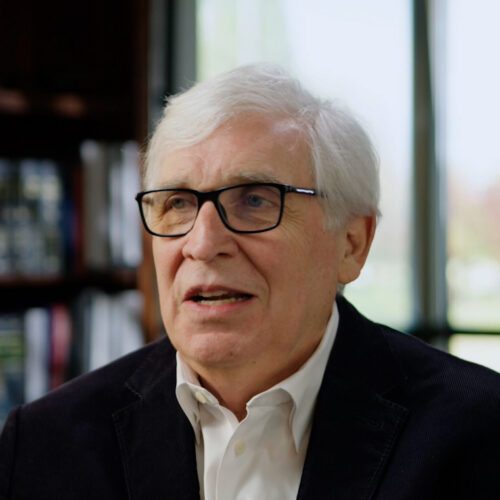
“After thousands of cases, I see the patterns others miss.”
Call the Sage: (916) 313-3030
Hackard Law’s office is in Sacramento County.
Hackard Law represents families throughout California. hackardlaw.com
Please do not send documents until we ask for them.
 (916) 313-3030