


In brief: Sea Cliff families are often spread across states and countries, and the trustee may live far from the house. A trustee who accepts a trust administered in California submits to the jurisdiction of California courts. Distance does not excuse silence, delay or self-dealing.
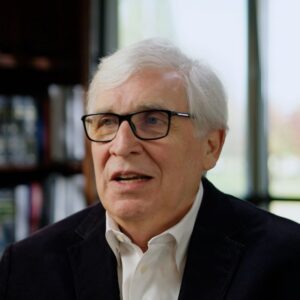
By Michael Hackard, California trust and estate litigation attorney. Last reviewed October 28, 2026.
A trustee in London, New York or Hong Kong may treat a San Francisco house as something to manage by email. Beneficiaries here may feel they cannot force answers from someone so far away.
California law answers that concern directly. The question is usually not whether the court can act, but how quickly a beneficiary asks it to.
Sea Cliff was developed as a residence park beginning in 1913 by the John Brickell Company. Many of its houses have now passed through several generations, often to heirs who live elsewhere.
Under Probate Code section 17003, a trustee who accepts the trusteeship of a trust with its principal place of administration in California submits personally to the jurisdiction of California courts for matters involving the trust.
Section 17005 sets venue in the county where the trust’s principal place of administration is located. When a trustee is not a California resident, venue may also be proper where a beneficiary resides or where a substantial part of the trust property is located.
Remote appearance rules help both sides. Under the San Francisco Local Rules, non-evidentiary probate hearings may proceed remotely, which keeps early hearings moving while evidentiary hearings remain in person unless the court orders otherwise.
Every San Francisco neighborhood shares one probate court. Trust, estate and probate matters are handled at the Civic Center Courthouse, 400 McAllister Street. Regular probate appearance hearings are generally in Department 204; ex parte appearances are in Department 202. A petition about an existing trust is filed in that trust’s case. Many non-evidentiary probate hearings may be attended remotely, while evidentiary hearings and trials are in person unless the court orders otherwise. Parties generally arrange a private court reporter for probate evidentiary hearings and trials. Fee-waiver recipients may request a court-provided verbatim record by submitting a written request at least two weeks before the proceeding.
Hackard Law handles qualifying trust, estate and elder financial abuse cases on a contingency fee. You pay no hourly fees. The fee is a percentage of what is recovered, set out in a written agreement before work begins. The firm advances the costs of the case. Those costs are repaid from the recovery before the fee is calculated. If there is no recovery, you owe no fee and no costs, unless your written agreement provides otherwise.
Yes. A trustee who accepts a trust administered in California submits to California jurisdiction under Probate Code section 17003.
Usually in the county of the trust’s principal place of administration. For a San Francisco house and a nonresident trustee, San Francisco is often proper under section 17005.
Many early probate hearings in San Francisco may be attended remotely. Evidentiary hearings and trials are in person unless the court orders otherwise.
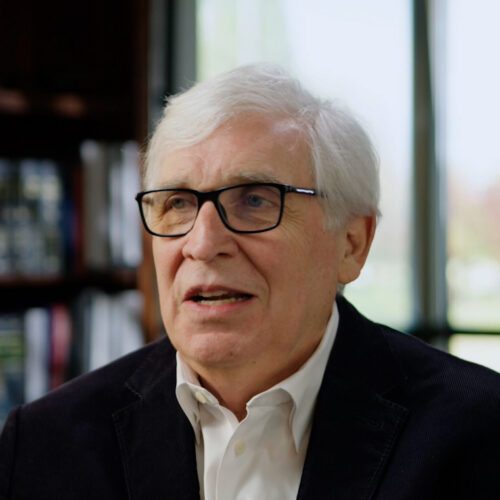
“After thousands of cases, I see the patterns others miss.”
Call the Sage: (916) 313-3030
Hackard Law’s office is in Sacramento County.
Hackard Law represents families throughout California. hackardlaw.com
Please do not send documents until we ask for them.
 (916) 313-3030