


In brief: A will or trust amendment signed in the final days of life is often the center of a Haight-Ashbury or Cole Valley estate dispute. California law asks whether the person had capacity at that moment and whether someone overcame their free will. Medical records and witnesses usually decide the case.
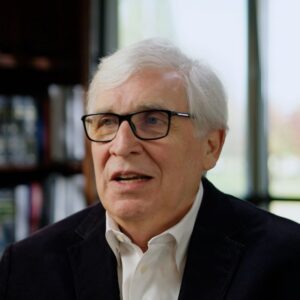
By Michael Hackard, California trust and estate litigation attorney. Last reviewed October 28, 2026.
Many Victorian homes in the Haight and Cole Valley are owned by people who bought decades ago. When an owner signs a new document during hospice care or a hospital stay, families often question whether it reflects the person they knew.
The legal tests are specific, and the evidence is time-sensitive.
The Haight was one of the few San Francisco neighborhoods spared by the fires that followed the 1906 earthquake. Before the Haight Street Cable Railroad was completed in 1883, the area was mostly farms and sand dunes. In 1967, the Summer of Love made it world famous. Many of the people who bought its Victorians in later decades are now planning, or leaving, their estates.
Probate Code section 6100.5 sets the test for capacity to make a will: understanding the nature of the act, the nature of one’s property and one’s relationship to family members and others affected.
Probate Code sections 810 through 812 govern capacity for other decisions, including complex trust amendments, and focus on whether a person can understand and appreciate the consequences of the decision.
Undue influence is a separate ground. Welfare and Institutions Code section 15610.70 looks at the vulnerability of the victim, the influencer’s apparent authority, the actions used and whether the result was fair.
Michael Hackard explains how capacity and undue influence are proved in his book Stolen Inheritance: How the Vulnerable Lose Their Estates — and What Families Can Do.
Every San Francisco neighborhood shares one probate court. Trust, estate and probate matters are handled at the Civic Center Courthouse, 400 McAllister Street. Regular probate appearance hearings are generally in Department 204; ex parte appearances are in Department 202. A petition about an existing trust is filed in that trust’s case. Many non-evidentiary probate hearings may be attended remotely, while evidentiary hearings and trials are in person unless the court orders otherwise. Parties generally arrange a private court reporter for probate evidentiary hearings and trials. Fee-waiver recipients may request a court-provided verbatim record by submitting a written request at least two weeks before the proceeding.
Hackard Law handles qualifying trust, estate and elder financial abuse cases on a contingency fee. You pay no hourly fees. The fee is a percentage of what is recovered, set out in a written agreement before work begins. The firm advances the costs of the case. Those costs are repaid from the recovery before the fee is calculated. If there is no recovery, you owe no fee and no costs, unless your written agreement provides otherwise.
Yes, if the person had capacity and acted freely. The challenge turns on medical evidence and the circumstances of the signing.
Hospital and hospice charts, medication records, the drafting lawyer’s file and witness accounts.
Yes. A person can have capacity and still be unduly influenced. California defines undue influence in Welfare and Institutions Code section 15610.70.
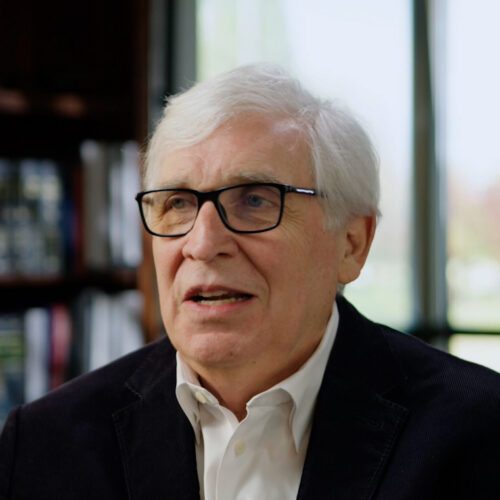
“After thousands of cases, I see the patterns others miss.”
Call the Sage: (916) 313-3030
Hackard Law’s office is in Sacramento County.
Hackard Law represents families throughout California. hackardlaw.com
Please do not send documents until we ask for them.
 (916) 313-3030