


In brief: Many St. Francis Wood families hold their homes in joint trusts that split into a survivor’s trust and a decedent’s trust at the first death. When the surviving spouse is a stepparent, children of the first spouse often find that the plan they expected has been changed. What the survivor can change, and what is locked, depends on the trust terms.
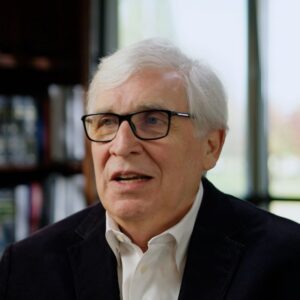
By Michael Hackard, California trust and estate litigation attorney. Last reviewed October 28, 2026.
A joint trust often promises that everything will go to the children after both spouses die. After the first death, the survivor may amend the survivor’s share, sell the house or move assets in ways the children never expected.
The decedent’s share is usually irrevocable at the first death. That share carries enforceable rights for the remainder beneficiaries.
St. Francis Wood was established in 1912 by the Mason-McDuffie Company, with a plan by the Olmsted Brothers dating to 1913. A homes association still governs the neighborhood, and it was listed on the National Register of Historic Places in 2022. Like a well-drafted trust, it runs on documents written long ago.
When part of a revocable trust becomes irrevocable because a settlor dies, the trustee must serve a notification under Probate Code section 16061.7. That notice starts the 120-day period to contest under section 16061.8.
A surviving spouse who serves as trustee of the decedent’s trust owes the children, as remainder beneficiaries, the duties of loyalty and impartiality under sections 16002 and 16003, including information and accountings.
If the survivor moves assets from the decedent’s trust to the survivor’s trust, or makes amendments while impaired or under influence, the children can petition under section 17200 or challenge the amendment on capacity and undue influence grounds.
Every San Francisco neighborhood shares one probate court. Trust, estate and probate matters are handled at the Civic Center Courthouse, 400 McAllister Street. Regular probate appearance hearings are generally in Department 204; ex parte appearances are in Department 202. A petition about an existing trust is filed in that trust’s case. Many non-evidentiary probate hearings may be attended remotely, while evidentiary hearings and trials are in person unless the court orders otherwise. Parties generally arrange a private court reporter for probate evidentiary hearings and trials. Fee-waiver recipients may request a court-provided verbatim record by submitting a written request at least two weeks before the proceeding.
Hackard Law handles qualifying trust, estate and elder financial abuse cases on a contingency fee. You pay no hourly fees. The fee is a percentage of what is recovered, set out in a written agreement before work begins. The firm advances the costs of the case. Those costs are repaid from the recovery before the fee is calculated. If there is no recovery, you owe no fee and no costs, unless your written agreement provides otherwise.
The survivor can usually change the survivor’s trust, but not the decedent’s trust if it became irrevocable at the first death. The trust language controls.
Often yes. Probate Code section 16061.7 requires notice when part of a trust becomes irrevocable because a settlor died.
A failure to divide the trust as required can be a breach. A section 17200 petition can ask the court to compel the division and an accounting.
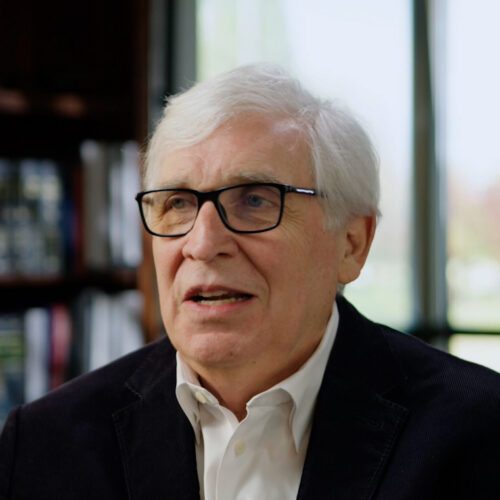
“After thousands of cases, I see the patterns others miss.”
Call the Sage: (916) 313-3030
Hackard Law’s office is in Sacramento County.
Hackard Law represents families throughout California. hackardlaw.com
Please do not send documents until we ask for them.
 (916) 313-3030