


In brief: In the Richmond District, many older owners rely on a son, daughter or friend acting under a power of attorney. California law makes that agent a fiduciary. An agent who takes money, makes gifts without authority or changes the estate plan can be ordered to account and repay.
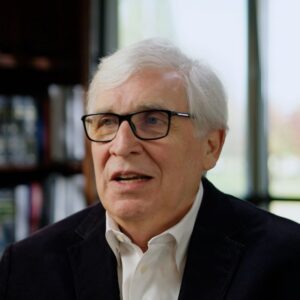
By Michael Hackard, California trust and estate litigation attorney. Last reviewed October 28, 2026.
A power of attorney is meant to help. When the agent starts paying personal bills, making “gifts” or moving the family home, the document becomes a tool for taking.
Families often notice the problem only after the elder dies, or when a sibling sees the bank statements.
The Richmond takes its name from “the Richmond House,” the home of Australian art dealer George Turner Marsh, named for a suburb of Melbourne. In 1917, the city officially renamed the area the Park-Presidio District, but residents kept calling it the Richmond. The old name was formally restored in 2009.
Under Probate Code section 4232, an agent must act solely in the principal’s interest and avoid conflicts. Under section 4264, an agent may not make gifts, create or change a trust, or change beneficiary designations unless the power of attorney expressly allows it.
Sections 4540 and 4541 allow a petition asking the court to review the agent’s conduct, compel an accounting and order other relief. After death, the personal representative or trustee can pursue recovery.
Taking an elder’s property by undue influence or for a wrongful use is elder financial abuse under Welfare and Institutions Code section 15610.30.
Every San Francisco neighborhood shares one probate court. Trust, estate and probate matters are handled at the Civic Center Courthouse, 400 McAllister Street. Regular probate appearance hearings are generally in Department 204; ex parte appearances are in Department 202. A petition about an existing trust is filed in that trust’s case. Many non-evidentiary probate hearings may be attended remotely, while evidentiary hearings and trials are in person unless the court orders otherwise. Parties generally arrange a private court reporter for probate evidentiary hearings and trials. Fee-waiver recipients may request a court-provided verbatim record by submitting a written request at least two weeks before the proceeding.
Hackard Law handles qualifying trust, estate and elder financial abuse cases on a contingency fee. You pay no hourly fees. The fee is a percentage of what is recovered, set out in a written agreement before work begins. The firm advances the costs of the case. Those costs are repaid from the recovery before the fee is calculated. If there is no recovery, you owe no fee and no costs, unless your written agreement provides otherwise.
Not unless the document expressly allows gifts. Probate Code section 4264 requires express authority.
A petition under Probate Code sections 4540 and 4541 can ask the court to compel an accounting.
The power of attorney ends at death, but the agent remains liable. The estate or trust can pursue recovery.
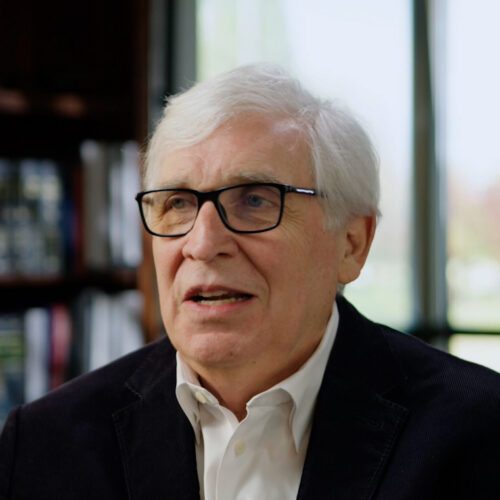
“After thousands of cases, I see the patterns others miss.”
Call the Sage: (916) 313-3030
Hackard Law’s office is in Sacramento County.
Hackard Law represents families throughout California. hackardlaw.com
Please do not send documents until we ask for them.
 (916) 313-3030