


In brief: Many Mission District homes have passed down through families for generations, often without a formal plan. That makes them targets for forged or questionable deeds signed near the end of life or after a death. California law lets families cancel those deeds, quiet title and recover the property.
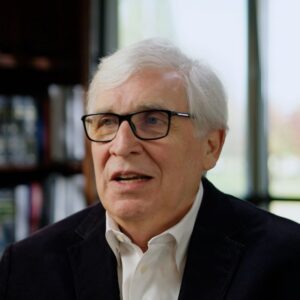
By Michael Hackard, California trust and estate litigation attorney. Last reviewed October 28, 2026.
A deed can transfer a house in minutes. When a family learns that a parent’s home was deeded to a relative, a new friend or an outside investor, the first step is to get the recorded documents and look closely at signatures, dates and notary records.
For Michael Hackard, the Mission is also family history.
St. Peter’s Church, founded in 1867 at 24th and Florida streets, was the Irish parish of the south Mission. On September 3, 1919, Michael Hackard’s grandparents, James Joseph O’Connor and Ellen “Nellie” Josephine Fuller, both born in San Francisco, were married there. By the late 1960s, the parish was majority Spanish-speaking, reflecting the neighborhood’s next generation of families. The church survived both the 1906 and 1989 earthquakes.
The Mission’s homes have carried each of those generations. Many were never put in a trust. They passed by will, by intestacy or by a deed signed late in life, which is why so many Mission disputes begin with a single recorded page.
Recording a forged instrument is a felony under Penal Code section 115. A forged deed passes no title, but it clouds the property until a court rules.
A quiet title action under Code of Civil Procedure section 760.020 asks the court to declare who owns the property. When the property belonged to a decedent or trust, a Probate Code section 850 petition can bring the dispute into the San Francisco probate court.
A deed that was signed, but signed under undue influence or without capacity, can also be set aside. If the transfer went to a care custodian, Probate Code section 21380 may presume undue influence.
Every San Francisco neighborhood shares one probate court. Trust, estate and probate matters are handled at the Civic Center Courthouse, 400 McAllister Street. Regular probate appearance hearings are generally in Department 204; ex parte appearances are in Department 202. A petition about an existing trust is filed in that trust’s case. Many non-evidentiary probate hearings may be attended remotely, while evidentiary hearings and trials are in person unless the court orders otherwise. Parties generally arrange a private court reporter for probate evidentiary hearings and trials. Fee-waiver recipients may request a court-provided verbatim record by submitting a written request at least two weeks before the proceeding.
Hackard Law handles qualifying trust, estate and elder financial abuse cases on a contingency fee. You pay no hourly fees. The fee is a percentage of what is recovered, set out in a written agreement before work begins. The firm advances the costs of the case. Those costs are repaid from the recovery before the fee is calculated. If there is no recovery, you owe no fee and no costs, unless your written agreement provides otherwise.
No. A forged deed transfers no title, but a court order is usually needed to clear the record.
If the house belonged to a decedent or trust, the San Francisco probate court can hear a Probate Code section 850 petition. Otherwise, a civil quiet title action applies.
The recorded deed, any prior deeds, property tax bills and the names of the notary and witnesses. Please do not send documents until we ask for them.
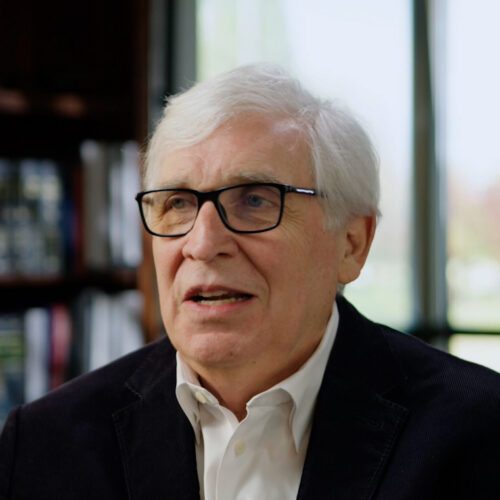
“After thousands of cases, I see the patterns others miss.”
Call the Sage: (916) 313-3030
Hackard Law’s office is in Sacramento County.
Hackard Law represents families throughout California. hackardlaw.com
Please do not send documents until we ask for them.
 (916) 313-3030